 Sunita Somvanshi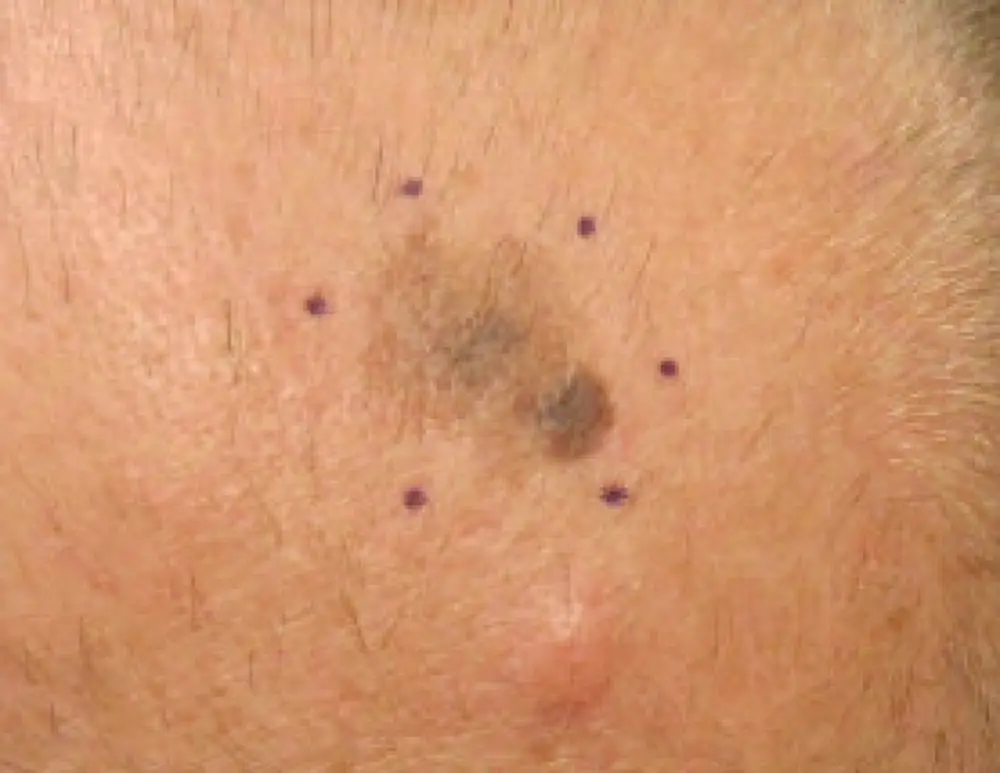
Merck and Moderna announced on August 19, 2026, that their personalized mRNA-based cancer vaccine met the main goals of a late-stage trial in melanoma, a result oncologists are calling a milestone for the technology.
The Phase 3 INTerpath-001 trial enrolled 1,137 patients with completely resected stage IIB-IV cutaneous melanoma. Participants received either Merck’s Keytruda (pembrolizumab) plus intismeran, Moderna’s individualized mRNA therapeutic, or Keytruda alone. An interim analysis showed the combination met both its primary goal of improving recurrence-free survival and a key secondary goal of preventing distant metastasis. The companies said it is the first positive Phase 3 readout for an individualized neoantigen therapy and the first to show a clinically meaningful improvement over Keytruda alone in the adjuvant setting.
“Today’s results represent a landmark moment for adjuvant melanoma treatment,” said Professor Georgina Long, the study’s principal investigator and medical director of Melanoma Institute Australia. “This is the first Phase 3 study to show that intismeran, a treatment designed based on the unique mutational fingerprint of a patient’s own tumor, given in combination with pembrolizumab can reduce the risk of recurrence or death.”
Earlier Phase 2b results, presented at the 2026 ASCO Annual Meeting, had shown the combination reduced the risk of recurrence or death by 49% and the risk of distant metastasis or death by 59% after five years, compared with Keytruda alone. The Phase 3 topline now extends that signal to a larger, confirmatory study. The therapy works by analyzing mutations unique to a patient’s tumor and training the immune system to attack cancer cells.
Melanoma is the deadliest form of skin cancer. The companies note that more than 330,000 new cases were diagnosed worldwide in 2022, and an estimated 112,000 new cases and over 8,500 deaths are expected in the United States in 2026 alone.
The result sent shares sharply higher. Moderna’s stock surged as much as 160% on August 19 while Merck rose about 11%, and Barclays analysts project the therapy could reach roughly $3 billion in melanoma sales by 2035. The companies plan to present full data at an upcoming medical meeting and engage regulators on filing submissions.
The breakthrough also marks a reversal of fortune for Moderna after the U.S. Department of Health and Human Services moved earlier this year to terminate 22 federal mRNA vaccine development investments, a decision detailed on the agency’s official press page. This work builds on our coverage of global mRNA cancer-vaccine efforts and research into lung-cancer detection.
Merck and Moderna published the topline results in their official Phase 3 INTerpath-001 news release, confirming the trial met both endpoints.