 Govind Tekale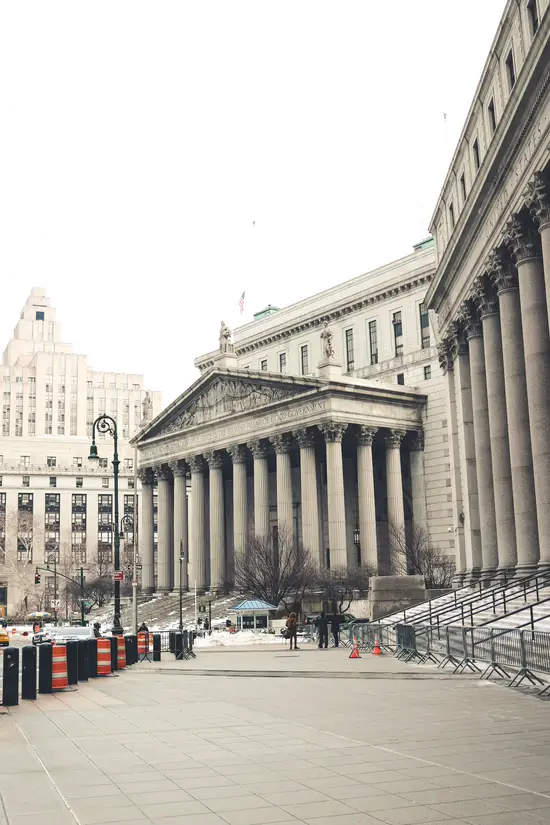
Luigi Mangione walked into Manhattan federal court on August 14, 2026, and told a judge exactly what he had done. “I shot Mr Thompson in Manhattan and he died,” he said. That simple admission capped a case that began on a cold December morning in Midtown Manhattan when a healthcare executive fell dead on a busy street.
The victim was Brian Thompson, 50, chief executive of UnitedHealthcare. On December 4, 2024, at approximately 6:45 a.m., Thompson was shot from behind near his hotel in Midtown Manhattan, just as he was preparing to attend an investor conference for his company. He died at the scene, leaving behind two children.
What followed was a methodical investigation that revealed careful planning. Mangione, 28, who had lived in Maryland, did not simply appear in the city on that December morning. Court records show he traveled to New York more than a week before the shooting and conducted surveillance on Thompson’s locations and movements. He also contacted UnitedHealthcare by email, posing as an investor and asking specific questions about details of the conference schedule.
For the weapon, he used a 3D-printed firearm equipped with a silencer and an extended magazine—a gun manufactured using specialized printing technology and designed to conceal the sound of the shot.
Police arrested Mangione in Altoona, Pennsylvania, five days after the shooting. Officers found him carrying a false driver’s license, the firearm used in the killing, and other evidence documenting his planning.
The federal charges are severe. Mangione pleaded guilty to interstate stalking resulting in death and cyberstalking through the use of interstate facilities resulting in death. Each charge carries a maximum penalty of life in prison. When asked by the court about his understanding of his actions, Mangione was direct: “I knew what I was doing was illegal.”
US Attorney Jamie McDonald commented on the guilty plea. “Today, Luigi Mangione admitted to stalking and murdering Brian Thompson on a Manhattan street in broad daylight. No grievance, political belief, or ideological cause can justify murder.”
NYPD Commissioner Jessica Tisch underscored the law enforcement message. “Luigi Mangione carried out a ruthless act of violence,” she said. “Violence is not a cause, murder is not a message, and a killer is not a hero.”
The case raised questions about Mangione’s motives. He later cited his own medical history as a factor, referencing years spent dealing with pain from a broken back and navigating obstacles within the health insurance system. But law enforcement and court officials were unified in their response: no personal grievance justified taking a life.
“While nothing can ease the family’s grief, we hope this brings them one step closer to closure,” said FBI Assistant Director James Barnacle.
Thompson’s family issued a statement following the plea. “While nothing will ease the pain of losing him, we are grateful that the federal justice system has held the person responsible for this heinous act accountable,” the family said. “Now we look to the court to ensure that sentencing reflects the severity of this crime.”
Sentencing has been scheduled for December 18, 2026. A separate legal question remains unresolved: Mangione’s defense lawyers have filed a motion to dismiss state murder charges on double jeopardy grounds. The Manhattan District Attorney’s office said it is prepared to litigate the issue. A judge will decide the matter.
The essential facts are now established through his own words in court. A man traveled from Maryland to New York with a homemade gun. He watched his target. He fired once. A father of two died on a city street. And a case that drew national attention found its answer in a federal courtroom: guilty.