 Tejal Somvanshi
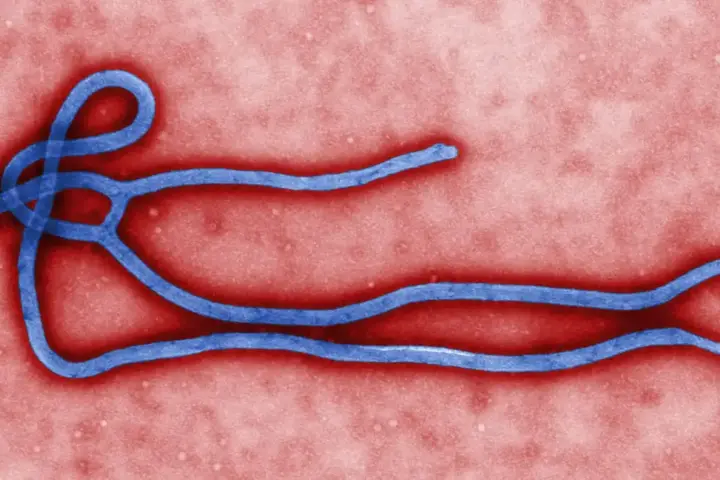
The world’s first clinical trial of a vaccine designed specifically against Bundibugyo ebolavirus has begun at Oxford University, with the first volunteer receiving the experimental injection in July 2026. The milestone marks a meaningful step forward in the effort to build a complete toolkit of Ebola protections—not just against the best-known variant, but against all the strains that pose outbreak risk.
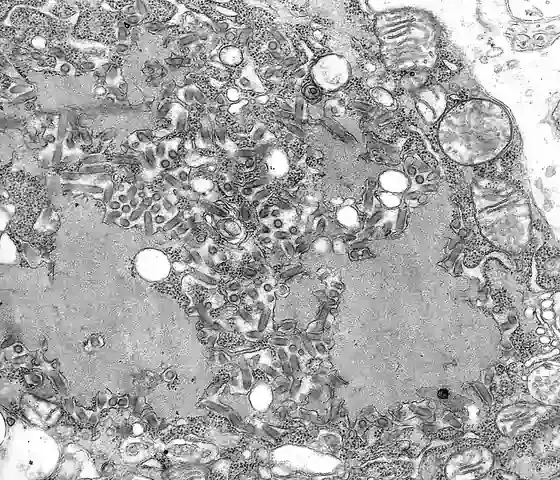
Bundibugyo ebolavirus is one of six known species in the Orthoebolavirus genus. It was first identified in 2007 during an outbreak in Bundibugyo District, western Uganda. The outbreak resulted in 37 deaths among 93 putative cases and 56 laboratory-confirmed cases—a case fatality rate of approximately 25 percent. A second outbreak occurred in the Democratic Republic of Congo in 2012. The virus has not caused a large-scale epidemic on the scale of the 2014–2016 West African crisis, but its mortality rate and geographic persistence make it a recognized public health threat in the Great Lakes region of Central Africa.
Unlike Zaire ebolavirus, which attracted massive international research funding after the 2014–2016 epidemic, Bundibugyo has received comparatively little attention—a pattern sometimes called “neglected outbreak disease” in global health circles. The development of an approved vaccine against Zaire Ebola (Ervebo, developed by Merck and approved by the FDA in 2019) demonstrated that Ebola vaccine development is scientifically achievable, but also that Zaire-specific protection cannot be assumed to cover other variants.
The Oxford trial follows the standard three-phase structure of clinical research. Phase 1, now underway, focuses on safety and initial immune response in a small group of healthy volunteers. Researchers are not yet testing whether the vaccine prevents infection—that comes later. The immediate questions are whether the injection causes any harmful reactions and whether it triggers the kind of antibody and T-cell response that typically predicts protective immunity.
Oxford’s Jenner Institute has a strong track record in viral vaccine development. Its ChAdOx platform—a modified chimpanzee adenovirus used as a delivery vehicle—was the basis for the Oxford-AstraZeneca COVID-19 vaccine and has been tested in trials for influenza, MERS, and other pathogens. The Bundibugyo vaccine candidate likely uses a similar vector approach, delivering the viral genetic instructions that train the immune system to recognise and fight the real pathogen.
The World Health Organization maintains a list of priority pathogens for which new medical countermeasures are urgently needed. Ebola variants feature prominently. The COVID-19 pandemic accelerated regulatory frameworks and manufacturing capacity for novel vaccine platforms, and those improvements now benefit development programs like this one—potentially compressing timelines compared to pre-2020 norms.
If the Phase 1 trial proceeds without safety concerns, the candidate would advance to Phase 2 and eventually Phase 3 testing, which would need to demonstrate efficacy in larger and more diverse populations. A fully approved and deployable vaccine would then require manufacturing scale-up and distribution agreements with the countries most at risk. The entire process, from first volunteer to approved product, typically takes several years.
For communities in Uganda, DRC, and neighbouring countries where Bundibugyo Ebola has previously struck, the start of this trial represents the first concrete movement toward a prevention tool that has never before existed for their specific threat. That is what makes the first injection, however preliminary, worth marking.