 Karmactive Staff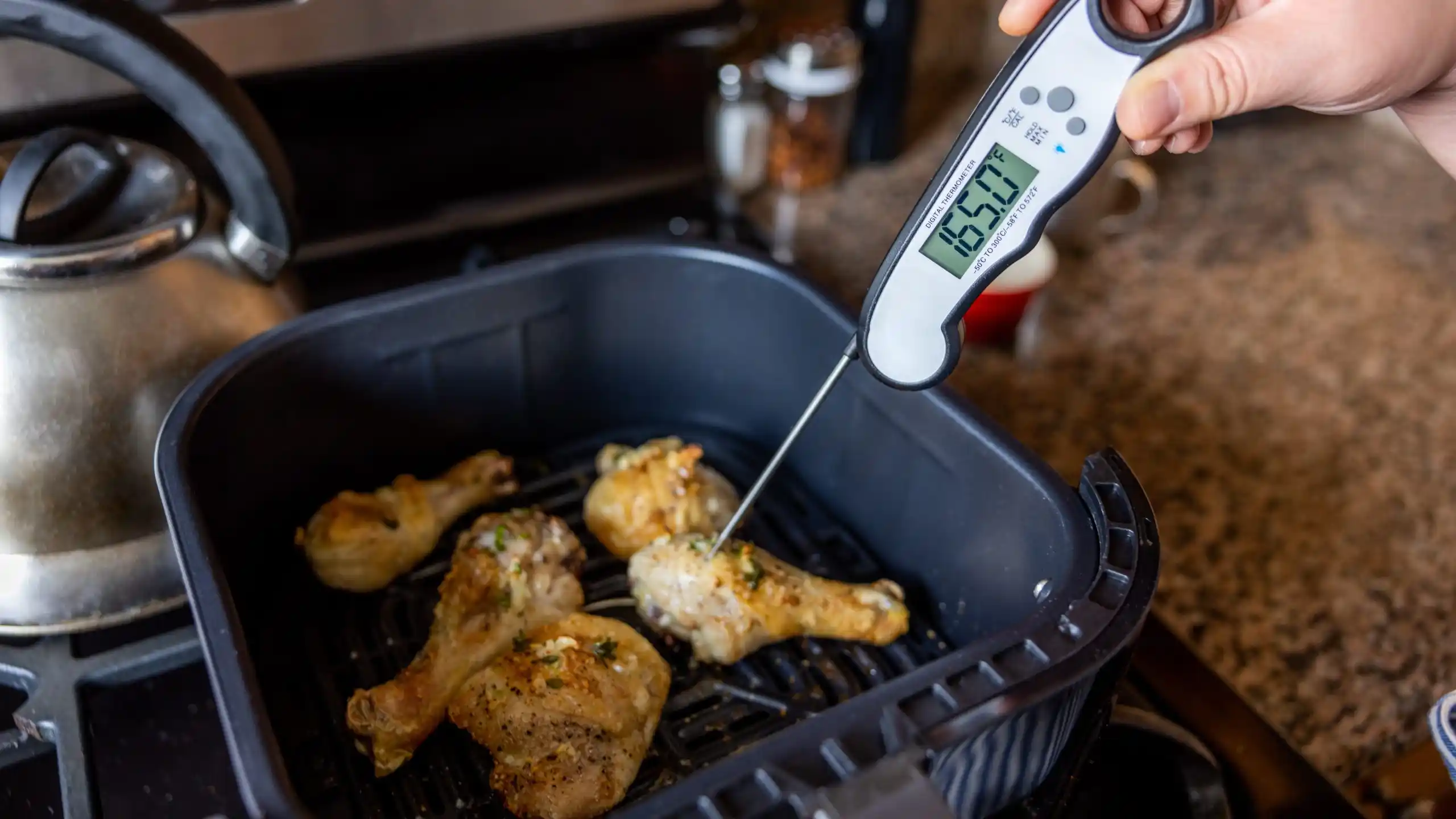
The Fresh to You Burger chicken recall was triggered in early July when a food company discovered that raw chicken patties — not cooked ones — had been accidentally packaged inside containers meant for fully cooked, ready-to-eat meals.
Fresh & Ready Foods LLC issued the recall on July 8, 2026, covering two products sold under the Fresh to You Burger label: the Chicken Fillet Deluxe with Bacon (5.9 oz) and the Chicken Fillet (5 oz). Both carry Lot No. 26171 and a Best By date of July 3, 2026. The U.S. Department of Agriculture’s Food Safety and Inspection Service announced the recall.
The risk here is specific and serious. When someone buys a product labeled “ready to eat,” they reasonably assume it has already been cooked. If the contents are actually raw, and that person eats it without cooking — as packaging instructs — they may ingest live Salmonella bacteria.
Salmonella causes fever, diarrhea, stomach cramps, and vomiting. Most healthy adults recover within a week, but the infection can become severe quickly for young children, adults 65 and older, pregnant women, and people with weakened immune systems. In serious cases, Salmonella can enter the bloodstream and require hospitalization. Similar Salmonella contamination recalls have affected millions of consumers in recent years.
The error happened during production, where raw breaded chicken patties were inadvertently placed into packaging designed for fully cooked ones. The products share a similar outer appearance, which is why the mistake made it through to retail without immediate detection. A similar packaging-related recall previously affected Walmart’s Great Value chicken broth across nine states.
Raw chicken must reach an internal temperature of 165°F to safely kill Salmonella. Anyone who still has the recalled products at home should not eat them. Throw them away or return them to the place of purchase.
If you consumed this product and develop symptoms within 12 to 72 hours — fever, stomach cramps, or sudden diarrhea — contact your doctor and mention possible Salmonella exposure. Testing is required to confirm the infection.
No illnesses have been confirmed as linked to this recall at the time of reporting. Past meat recalls show that acting before illnesses are reported is the most effective form of food safety intervention.