The Far Side and Beyond — Artemis II Reaches Historic Lunar Milestone
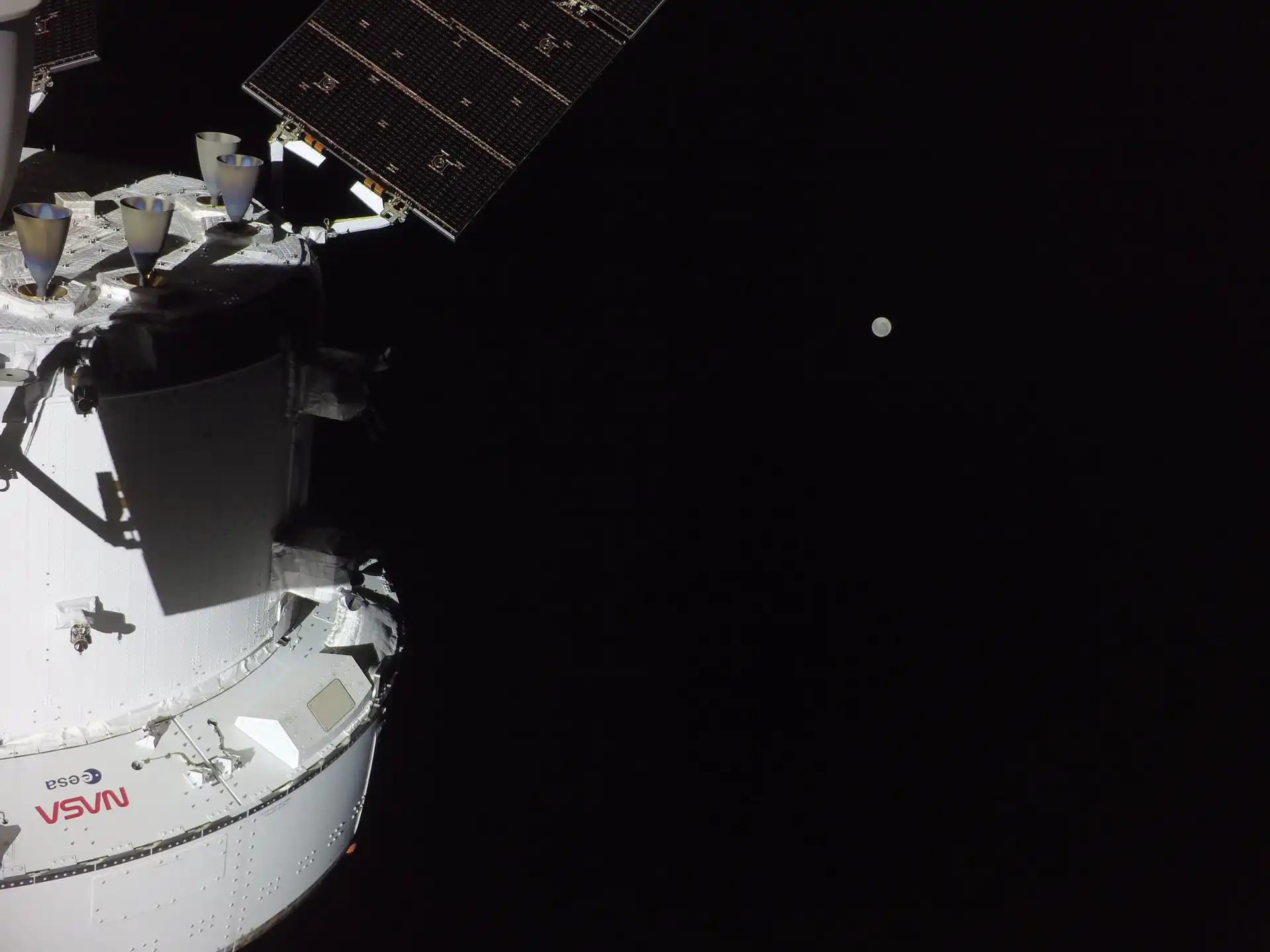
For the first time in over five decades, a crew of four astronauts is making crewed observations of the lunar far side aboard the Orion spacecraft — while setting a new record as the farthest-traveling humans in history.
(max distance)
lunar surface
Apollo 13
targets
behind Moon
Today, Monday, April 6, 2026, marks a defining moment in the history of space exploration. The Artemis II mission — carrying NASA astronauts Reid Wiseman, Victor Glover, and Christina Koch alongside Canadian Space Agency (CSA) astronaut Jeremy Hansen — is executing a precisely planned lunar flyby. This is a crewed test flight of the Space Launch System (SLS) rocket and the Orion spacecraft’s integrated systems with humans aboard for the first time.
At 1:56 p.m. EDT today, the four astronauts became the farthest-traveling humans in recorded history, surpassing the record of 248,655 miles set by Apollo 13 in April 1970. Artemis II reached a peak of 252,757 miles from Earth — about 4,102 miles farther than Jim Lovell, Fred Haise, and Jack Swigert traveled during their emergency return home.
April 6 Flyby — Hour by Hour
The full mission timeline for today’s lunar flyby. Tap or click any milestone to expand it.
Breaking the Distance Record
Artemis II vs. Apollo 13 — farthest humans from Earth
1970
2026
Apollo 13 reached its distance as an emergency return in April 1970. Artemis II reached 252,757 miles as a planned mission milestone on April 6, 2026, per NASA’s official mission FAQ.
“Something about your senses says, ‘That is not the Moon I’m used to seeing.'”— Christina Koch, NASA Astronaut, Artemis II Mission
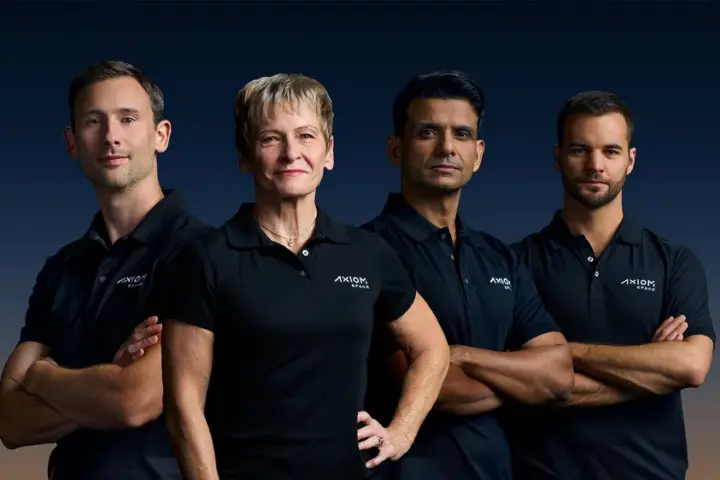
The Artemis II Crew
Four astronauts aboard Orion — on the first crewed journey to the vicinity of the Moon in over 50 years.
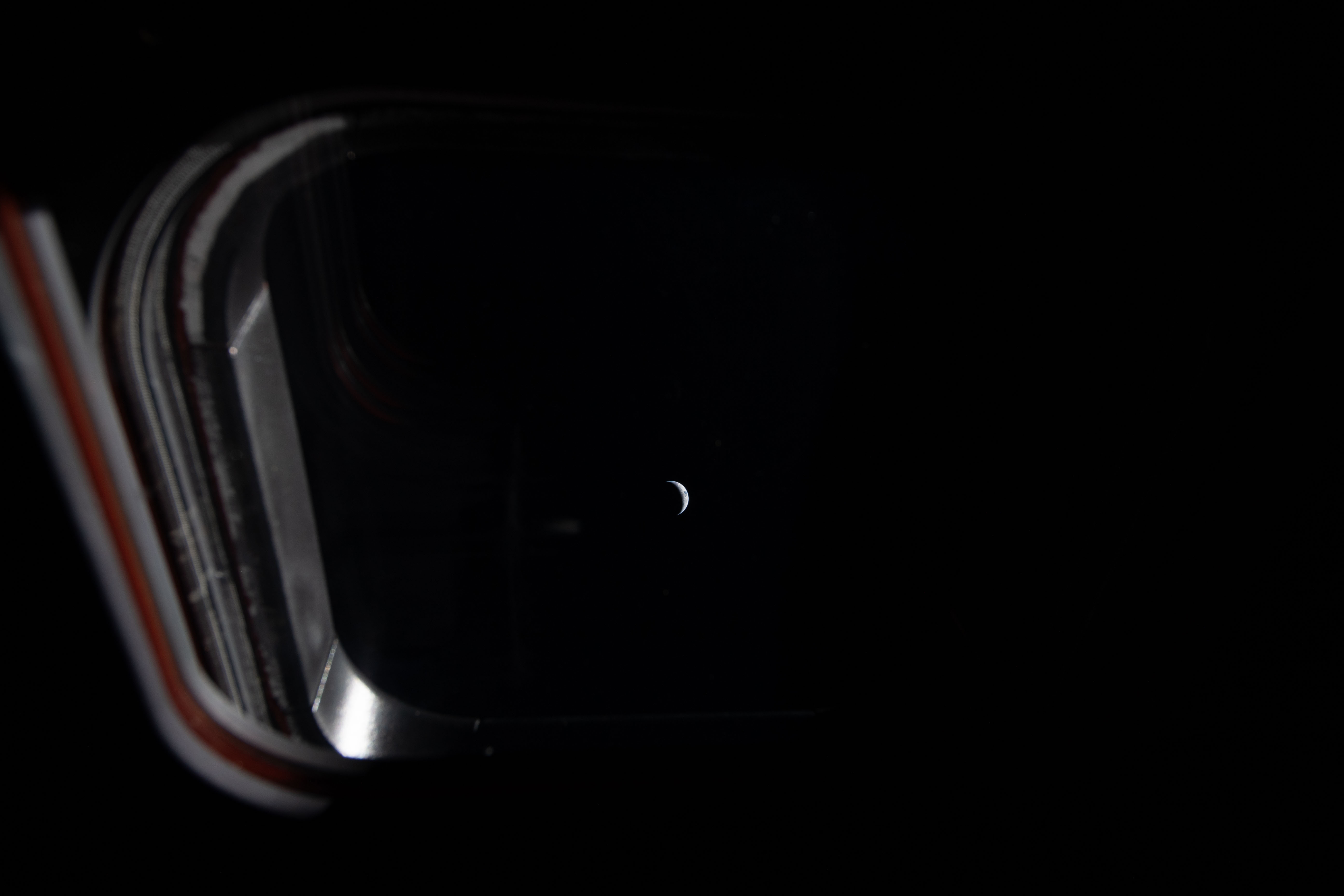
Seen through Orion’s window, Earth appears as a thin crescent as Artemis II moves deeper into cislunar space — the first time astronauts have photographed Earth from this vantage point in over 50 years. Source: NASA Image and Video Library / Public Domain
The Lunar Science Plan: 30 Targets, Two Key Craters
Mission Control assigned the crew 30 high-priority surface targets. Two craters received special focus for their contrasting geological histories. Tap a card to learn more.
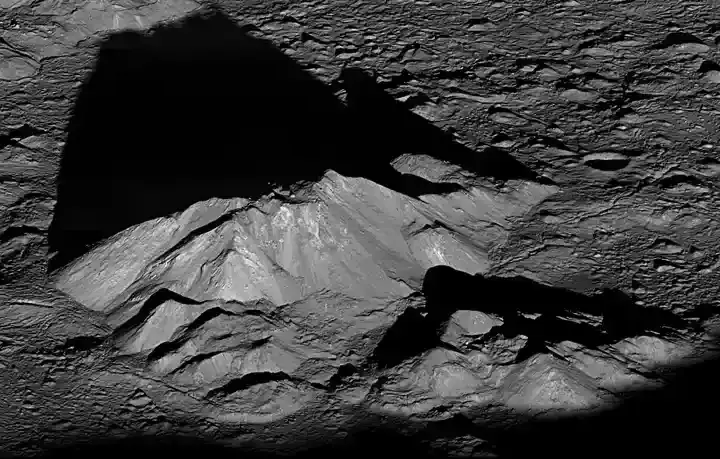
The Artemis II crew are the first humans to see the entire Orientale Basin from their vantage point in deep space. While Apollo crews observed parts of the lunar far side, Orientale — which sits at the extreme western limb — has not been observed in this detail or lighting by human eyes before. NASA confirmed this as a first for crewed observation of the complete basin.
The 600-mile (965 km) structure represents a key transition region between the lunar near side and far side. The crew’s observations are being compared with robotic probe data from earlier in 2026, including work done by Firefly’s Blue Ghost lander.
The crew compared Hertzsprung’s worn topography with the fresher, more defined rings of Orientale. This comparison helps planetary scientists understand how the Moon’s surface evolves across billions of years of impact history. Hertzsprung is rarely observed directly by astronauts due to its far-side location.
These observations feed directly into planning for future lunar surface missions. For context on how NASA is preparing surface infrastructure for those missions, see NASA and LSU’s work on sustainable Moon building materials.
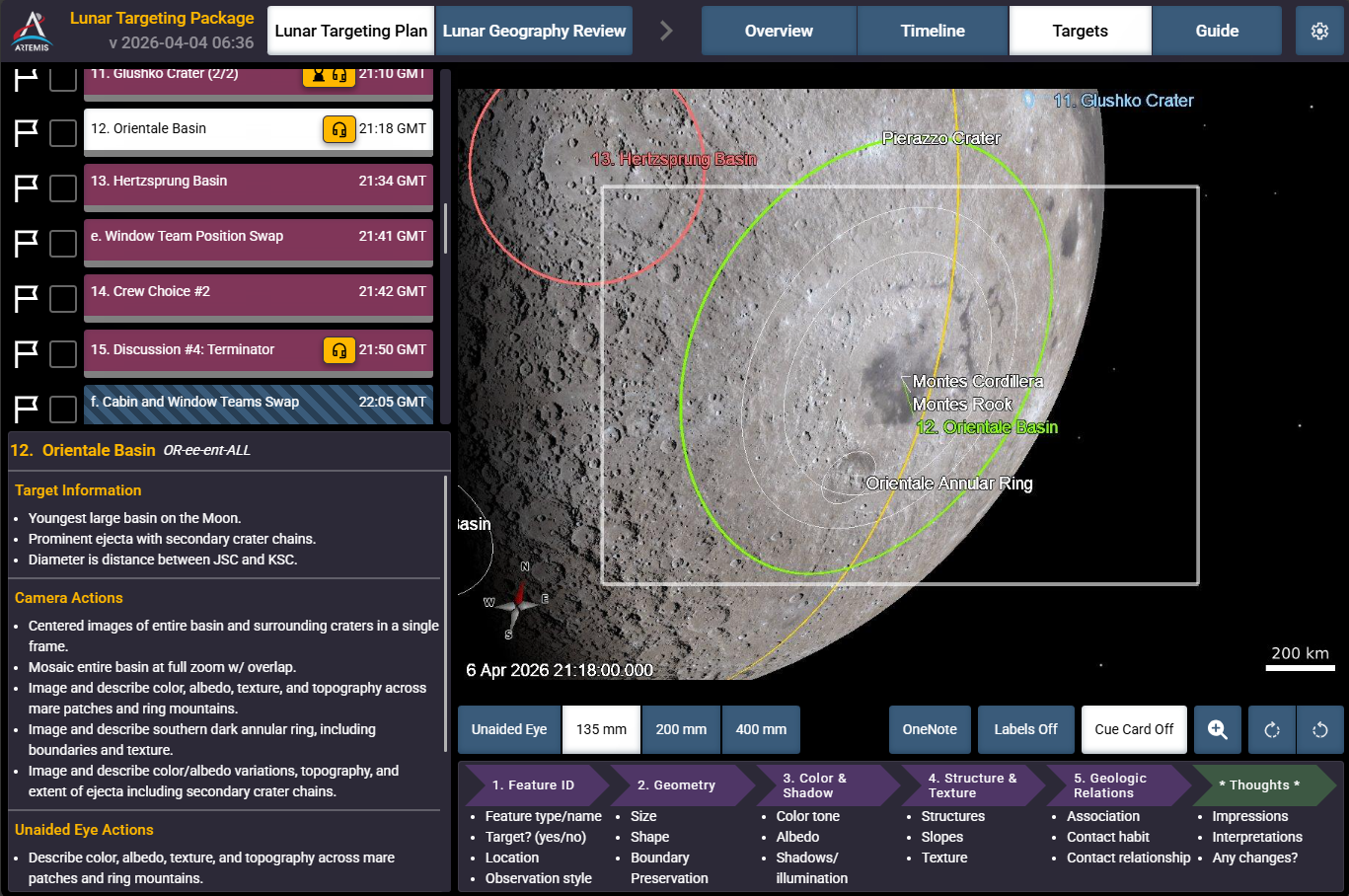
Custom software on the crew’s Portable Computing Devices (PCDs) guided the Artemis II astronauts through 30 science targets, including Orientale Basin (Target #12) and Hertzsprung Basin. Built by the Crew Lunar Observations Team. Source: NASA Artemis II Mission / Public Domain
What Artemis II Is Testing
Every subsystem aboard Orion is being evaluated before humans attempt a lunar landing on Artemis III. Tap each item to expand.
The crew completed evaluations of their Orion Crew Survival System suits during Flight Days 4 and 5. Tests included leak checks, seat-entry simulation, mobility assessment, and ability to eat and drink while suited.
The suit protects astronauts during dynamic flight phases and provides life support in the event of cabin depressurization or emergency survival operations after splashdown. A cabin depressurization activity originally planned for Sunday was deferred to a later date in the mission, per official NASA mission updates.
On Flight Day 4, Koch and Hansen performed manual piloting demonstrations including multiple control modes — testing Six Degrees of Freedom (6-DOF), which controls all linear and rotational movements, and Three Degrees of Freedom (3-DOF), focusing on rotational orientation.
These tests provide ground engineers with data on how Orion responds to human input in deep space — directly applicable to the docking maneuvers required for Artemis III’s lunar landing phase.
The crew is taking part in multiple biological and human health studies covering bone marrow health and immune system changes. Deep space radiation beyond low Earth orbit is significantly more intense than within the International Space Station’s environment.
Scientists are tracking biomarkers in blood and saliva samples collected during the mission to develop radiation countermeasures for future long-duration missions.
NASA’s Deep Space Network tracked Orion throughout the mission. The approximately 40-minute communications blackout during lunar closest approach is a planned, expected event — the Moon’s bulk physically blocks radio signals between the spacecraft and Earth-based stations.
Per the CSA daily logbook, an emergency communications test was conducted on the DSN during the mission. Jenni Gibbons also became the first Canadian certified as an Artemis capcom — a milestone for the Canadian Space Agency.
NASA introduced a new dedicated SCIENCE console role in Mission Control for Artemis missions. The first Artemis II science officers — Kelsey Young, Trevor Graff, and Angela Garcia — work directly inside Mission Control, integrating real-time science decisions into flight operations.
This structural change ties lunar observation planning directly into the live mission timeline, unlike the separate science team arrangements used during the Apollo era.
The Apollo 13 Legacy
The distance record broken today was set by Apollo 13 in April 1970. That mission reached 248,655 miles not by design but out of necessity — an oxygen tank explosion mid-mission forced a trajectory change that swung the crippled spacecraft around the Moon for an emergency return to Earth. Jim Lovell, Fred Haise, and Jack Swigert survived. Their record stood for 56 years.
Artemis II reached its distance as a planned milestone — about 4,102 miles beyond Apollo 13’s mark, per NASA’s official mission FAQ. As NASA Science Mission Chief Nicky Fox noted, for a generation born after 1972, this is the first time they are witnessing humans explore deep space in real-time.
Mission Status and What Comes Next
Artemis II is on its sixth day of a ten-day flight. The outbound trajectory correction burn was completed at 11:03 p.m. EDT on Flight Day 5 and lasted 17.5 seconds, keeping Orion precisely on course. Following the lunar flyby, Orion begins its return to Earth. A splashdown off the coast of San Diego is scheduled for Friday, April 10, 2026.
Orion is equipped with 32 cameras documenting the entire mission, and the crew has access to 189 menu items aboard the spacecraft. Observations of the lunar far side, Orientale Basin, and Hertzsprung Basin were conducted using handheld cameras and Orion’s onboard systems, guided by custom software built by the Crew Lunar Observations Team. For earlier coverage of this mission’s buildup, see the Artemis II mission guide and for background on related lunar technology, see the battery technology powering the next lunar rover.
The Artemis II mission covered the crew’s journey through cislunar space, the lunar flyby on April 6, 2026, the breaking of the Apollo 13 distance record at 252,757 miles, and a seven-hour science observation window targeting 30 lunar surface features. System evaluations were conducted for the Orion Crew Survival System suits, manual piloting, Deep Space Network communications, and human health research. A splashdown off San Diego on April 10 is scheduled to conclude the 10-day mission. The CSA Artemis II mission page and NASA’s mission blog continue to carry real-time updates.
Primary Sources
- NASA — Artemis II Mission Overview
- NASA — Artemis II Mission FAQ (updated April 5, 2026)
- NASA — Flight Day 5: Crew Demos Suits, Readies for Lunar Flyby
- NASA — Flight Day 5: Correction Burn Complete
- NASA Science — Meet NASA’s New Artemis II Science Officers
- Canadian Space Agency — Artemis II Mission
- CSA — Artemis II Daily Logbook