Washington Hits 143% Tariffs on Asian Solar — Who Pays, and Who’s Protected?
The U.S. Commerce Department issued preliminary countervailing duties on solar panels from India, Indonesia and Laos on February 24, 2026 — a move that covers $4.5 billion in imports and sets off a chain reaction across the global clean energy supply chain.
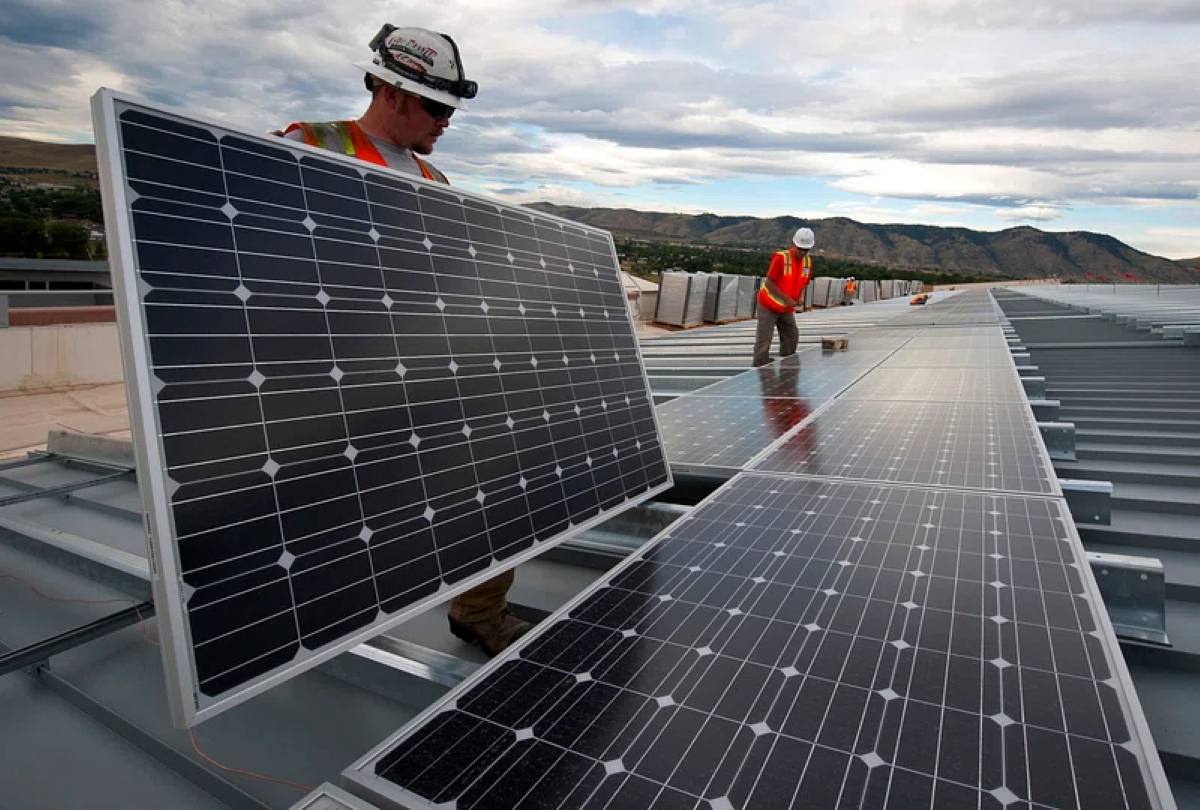
On February 24, 2026, the U.S. Department of Commerce issued preliminary affirmative findings in a countervailing duty (CVD) investigation covering crystalline silicon photovoltaic cells and panels from India, Indonesia and Laos. The agency determined that manufacturers in all three countries received government subsidies that created unfair competition for domestic U.S. producers. Together, the three nations accounted for roughly $4.5 billion in U.S. solar imports — nearly two-thirds of the country’s 2025 total. The decision was sought by the American Alliance for Solar Manufacturing and Trade, a coalition that includes First Solar, Hanwha Qcells and Mission Solar, companies with billions of dollars invested in U.S. manufacturing capacity. India’s solar exports to the U.S. alone grew from $83.86 million in 2022 to nearly $793 million in 2024 — a ninefold rise that was central to the injury determination. For context on India’s broader energy ambitions driving that export boom, see KarmActive’s coverage of India’s 500 GW renewable energy push.
Country-by-Country Duty Rates
Select a country to see the Commerce Department’s calculated subsidy rates for each investigated company.
The Import Surge That Triggered the Case
U.S. imports of crystalline silicon PV cells/modules from the three investigated countries, 2022 vs. 2024. Source: Commerce Dept. fact sheet via U.S. Census / S&P Global Trade Atlas.
What Does a 126% Tariff Actually Cost?
Enter an import invoice value to see how the preliminary CVD rate translates into a real cash deposit at U.S. Customs. Rates are per the Commerce Department fact sheet.
U.S. Factory Investments Behind the Petition
Three Paths Forward
Manufacturing in the U.S. as a Tariff Buffer
Waaree Energies has stated that its Texas manufacturing facility acts as a buffer against import duties. By producing cells and modules on U.S. soil, the company can service its American order book without triggering cross-border CVD or antidumping penalties. This mirrors the strategy of Qcells and Mission Solar, which built the very domestic capacity that now underpins this trade case.
For coverage of the broader solar cell technology landscape, see KarmActive’s solar section.
Waaree Texas plant → bypasses CVD entirelyAbsorbing Capacity with India’s 500 GW Target
India has set a national target of 500 GW of renewable energy capacity by 2030. With the U.S. market effectively pricing out imports through 125.87% duties, domestic demand is expected to absorb a significant portion of the manufacturing capacity previously destined for American buyers.
KarmActive has tracked India’s 500 GW renewable energy milestone in detail. The domestic market pivot is likely to intensify competition inside India, potentially benefiting Indian consumers and project developers.
India 500 GW target by 2030 Domestic demand could offset U.S. export lossEurope and Middle East as Alternative Markets
Companies such as Vikram Solar are increasingly targeting Europe and the Middle East to offset potential losses in the American market. The EU has its own trade framework for solar and is not subject to U.S. CVD orders. The Middle East — a fast-growing solar market — offers additional offtake volume for manufacturers locked out of the U.S. market.
KarmActive covered a major 1.25 GW solar deal in the Middle East, illustrating the scale of demand in that region.
EU not subject to U.S. CVD Middle East solar demand expandingThe Road to Final Duties — What Comes Next
Three separate legal tracks are running in parallel. All three must reach affirmative conclusions for final, enforceable duties. Source: Commerce / ITA.
The Commerce Department’s preliminary CVD determinations covered solar cells and modules from India, Indonesia and Laos, with rates calculated between 80.67% and 143.3% based on assessed government subsidies. The announcement covered approximately $4.5 billion in annual imports and coincided with a sharp decline in share prices for several major Indian solar manufacturers on February 25, 2026. The Alliance for American Solar Manufacturing and Trade, whose petitioner members include First Solar, Hanwha Qcells and Mission Solar, issued public statements supporting the determinations. A final CVD ruling is scheduled for July 6, 2026, and a separate antidumping investigation is ongoing. The legal process was described across Commerce filings and petitioner materials. For additional context on solar technology and global market dynamics, KarmActive has reported on solar efficiency records and the latest high-efficiency module developments.