 Govind Tekale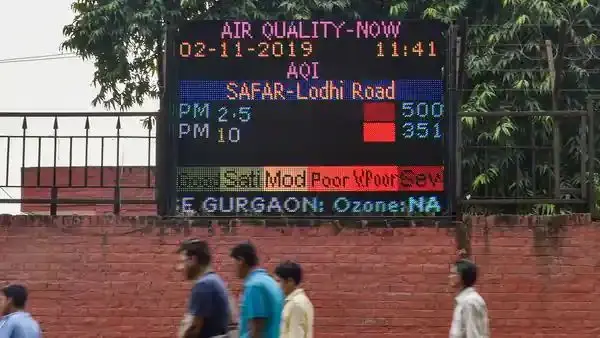
The Delhi-based think tank the Centre for Policy Research had commissioned a study on the State Pollution Control Boards( SPCBs) in IGP ( Indo-Gangetic Plain ) region. The authors of this study were: Shibani Ghosh, Sharon Mathew, Arunesh Karkun, Pranav Dhavan & Bhargav Krishna. Their report was released by the CPR in October 2022. Many shortcomings and deeply conflicting data have come up from the study. One of them is, 53% of SPCB members are representing the polluters in the IGP region in India.
The IGP region consists of the following States & an NCR (National Capital Region):
- Bihar
- Chhattisgarh
- Delhi
- Haryana
- Jharkhand
- Panjab
- Rajasthan
- Uttar Pradesh
- Uttarakhand
- West Bengal
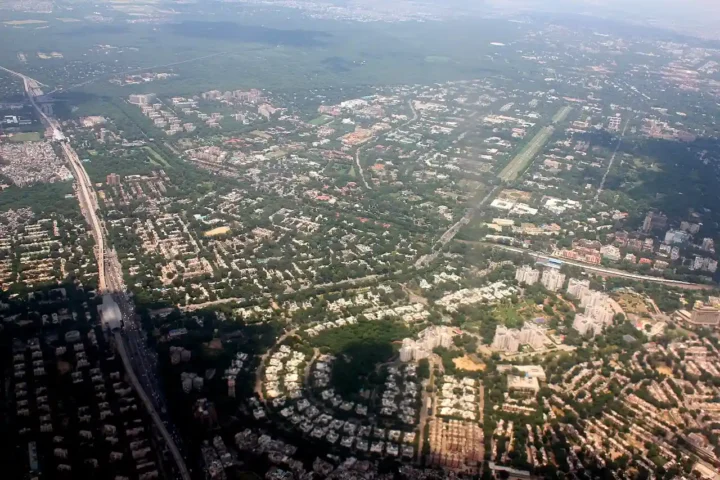
The IGP region in India is one of the most polluted regions in the world. In a densely populated region, with a large number of sources emitting a range of pollutants, regulating air pollution here is an extremely difficult & complex task. Several measures are afoot to improve air quality in this region & the SPCBs ( State Pollution Control Boards) & Pollution Control Committee are playing a key role. However, these frontline agencies & pollution regulators are faced with several challenges in directing their efforts.
The CPR report’s key takeaways are as follows:
- Representation in the Boards largely comprises Govt Departments, Public Sector Units & other industry representatives. There is a limited representation of civil society including those who are working on environmental & carbon issues, academia, public health & the medical community.
- The statutory requirement of having at least two board members who have knowledge & experience in air quality is not met by the Boards. The 3 boards which claimed that two members had the necessary qualifications have not provided any evidence to substantiate their claim.
- The considerable representation of potentially polluting industries & govt. departments such as municipal corporations on the Boards raise questions about conflict of interest.
- There is a little substantive discussion on air pollution control planning in Board meetings, which are largely procedural in nature.
The CPR study found that there was a lack of leadership which resulted in the failure to halt polluting stubble burning in the Indo-Gangetic Plain.
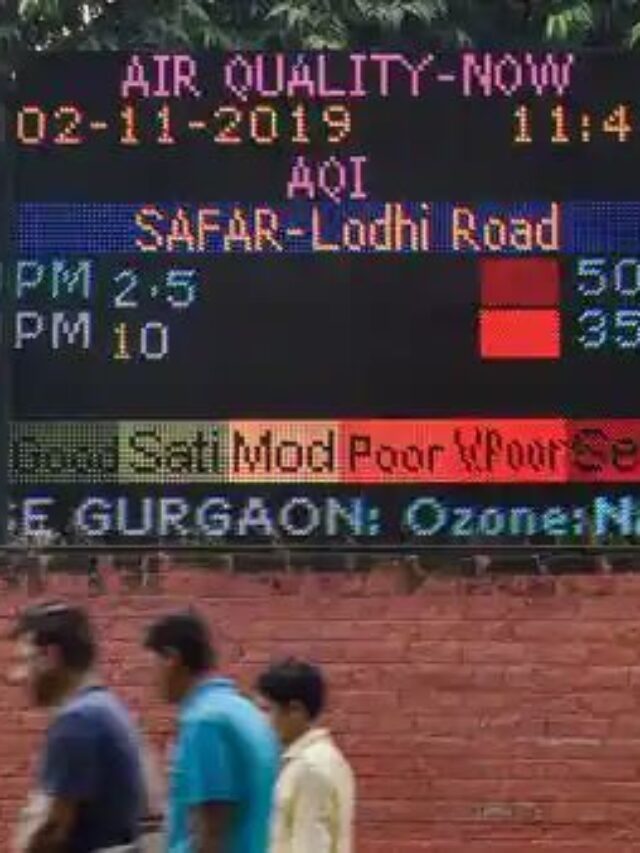
The study points out that there were on average 40% vacant posts in the staff of SPCBs, while the maximum vacancies were in Jharkhand PCB at 79% at one time. Thus due to a lack of leadership & shortage of staff, the Boards failed to discharge their duty of preventing pollution.
The CPR study further noted that as 53% of Board Members represented polluting agencies including State Govt departments, local authorities & industries, they did not allow the Boards to function autonomously. This resulted in corruption & failure in controlling all types of pollution.
Yamini Iyer, President & CEO of CPR has said that if similar studies are carried out about the remaining SPCBs’ working, a bad or worse picture may surface. Suffice it to say that an overhaul of all the SPCBs is called for so that the common man may be able to drink pure water & breathe pollution-free air.