 Sunita Somvanshi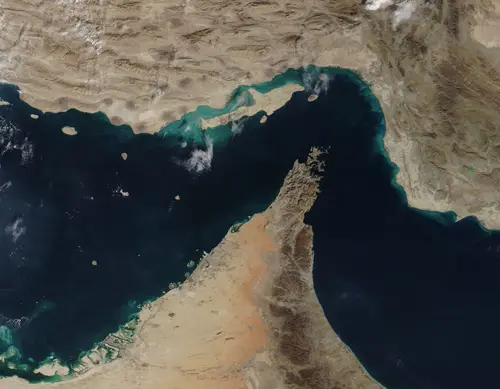
The United Arab Emirates announced on August 20, 2026, that it is suspending all trade, commercial exchanges and financial transactions with Iran until further notice, a dramatic shift that severs economic ties worth tens of billions of dollars annually.
Afra Al Hameli, Director of the Strategic Communications Department at the UAE Ministry of Foreign Affairs, confirmed the decision, stating it was made “in light of regional escalations” after the UAE Defence Ministry said Iran had fired two ballistic missiles toward the Gulf state on Tuesday, both of which fell into the sea, one inside Emirati territorial waters. Iran’s foreign ministry spokesman Esmail Baghaei “categorically rejected” the claims.
Before the conflict, the UAE was one of Iran’s largest trading partners, handling a significant share of Iran’s imports and re-exporting goods to the Gulf state. The war, which began on February 28 with US and Israeli attacks on Iran, has since seen Iran launch daily missile and drone strikes on targets in neighbouring countries.
The trade suspension compounds Iran’s existing economic crisis, with shipping traffic through the Strait of Hormuz — which carries approximately 21% of global petroleum liquids by volume — dwindling to just eight transiting vessels, according to ship-tracking data from Kpler. Crude flow through the waterway has fallen to less than a quarter of pre-war levels.
The disruption extends beyond bilateral trade. The UAE traditionally served as a re-export hub for Iranian agricultural goods, including wheat and rice. With the trade suspension, alternative supply chains must be established, potentially straining global commodity markets.
This development builds on our earlier reporting on Iran’s lithium reserves and the UAE’s role in regional climate negotiations, highlighting how geopolitical tensions shape economic outcomes across the Middle East.
The economic fallout from the UAE-Iran trade suspension is already being felt in global commodity markets, with oil prices climbing on supply concerns as the region faces continued instability.