European nations confront an expanding threat as Russia orchestrates sophisticated hybrid operations targeting NATO members supporting Ukraine. Germany’s Foreign Minister warned Wednesday that coordinated cyber assaults, infrastructure sabotage, and disinformation campaigns have reached dangerous new levels. [Russian officials have not publicly responded](https://www.dw.com/en/russia-expected-to-intensify-hybrid-war-on-europe/a-79444596). [Russian hybrid attacks targeting energy grids, telecommunications networks, and supply chains](https://ctvnews.ca/world/article/nobody-wants-to-escalate-german-minister-responds-to-russias-hybrid-attacks-2) have been reported through coverage by CTV, BBC, Sky News, and Deutsche Welle. The operations employ multiple vectors simultaneously—compromising critical infrastructure while spreading false narratives designed to undermine public confidence. Power generation systems in Eastern Europe face heightened vulnerability. [Undersea telecommunications cables connecting continents](https://www.karmactive.com/nato-foils-russian-undersea-cable-sabotage-plot-svalbard/) encounter growing sabotage risk. Supply chains for medicines, food, and electronics manufacturing face deliberate disruption attempts. Defending against these attacks stretches NATO nations resources across multiple sectors. [Power companies, telecommunications providers, financial institutions](https://www.karmactive.com/nato-disrupted-russian-undersea-operation-arctic-cables/), and water treatment operators must implement new defensive protocols simultaneously. NATO allies increased intelligence sharing capabilities, establishing dedicated units to track hybrid threats. Military planners acknowledge response capacity becomes dangerously thin when defending energy infrastructure, communications systems, and supply chains at once. Sustained operations could impair civilian services and economic activity across targeted nations. Intelligence experts track troubling patterns in the escalation. Cybersecurity analysts have noted that the frequency and sophistication of attacks suggest state-coordinated planning rather than isolated incidents. [German FM warns of coordinated hybrid threat](https://www.dw.com/en/germany-foreign-minister-says-russia-coordinating-hybrid-attacks-across-europe/a-79444596) amid growing concern that NATO’s collective defense posture may not be adequately addressing non-kinetic threats. The warning comes as European defense ministers prepare to meet in Brussels to discuss enhanced counter-hybrid measures. Experts note that Russia’s hybrid warfare doctrine integrates cyber operations, disinformation, and covert action into a unified strategic framework. [Hybrid attacks on critical infrastructure](https://ctvnews.ca/world/article/nobody-wants-to-escalate-german-minister-responds-to-russias-hybrid-attacks-2) have intensified since the start of the Ukraine conflict, with NATO members reporting a significant increase in malicious digital activity targeting energy grids, financial systems, and government networks. The German Foreign Ministry has allocated additional resources to counter these threats, including enhanced cyber defense capabilities and improved intelligence sharing with allied nations. NATO Secretary General has reiterated the alliance’s commitment to defending against all forms of aggression, including hybrid warfare. European leaders have called for a coordinated response that addresses both the digital and physical dimensions of the threat. The warning underscores the growing recognition that traditional military deterrence is insufficient against adversaries who exploit vulnerabilities in civilian infrastructure. Cybersecurity firms report a surge in ransomware attacks targeting European energy companies, with some incidents linked to state-sponsored actors. The convergence of cyber attacks and disinformation campaigns creates a complex threat landscape that challenges NATO’s collective defense mechanisms. NATO allies are developing new strategies to counter hybrid threats, including enhanced cyber defense capabilities and improved intelligence sharing. The German Foreign Minister’s warning highlights the urgency of addressing these non-kinetic threats before they escalate into conventional conflict. European security architecture faces a fundamental test as Russia continues to probe NATO’s defensive perimeter through unconventional means.
Russia’s Silent War Reaches Critical Mass: German FM Warns NATO of Escalating Hybrid Attacks




Latest from Policy

India’s SIR Row: Election Commission Rejects Commissioner Objections as Unanimous
India’s Election Commission stated Saturday that all decisions regarding Special Intensive Revision of electoral rolls proceeded with unanimous consensus among commissioners, contradicting public records showing 14 formal objections filed by two commissioners

Russia’s Silent War Reaches Critical Mass: German FM Warns NATO of Escalating Hybrid Attacks
European nations confront an expanding threat as Russia orchestrates sophisticated hybrid operations targeting NATO members supporting Ukraine. Germany’s Foreign Minister warned Wednesday that coordinated cyber assaults, infrastructure sabotage, and disinformation campaigns have
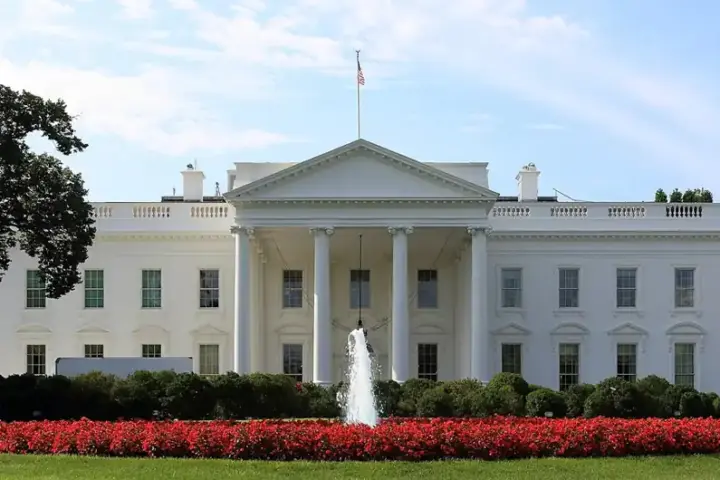
White House seeks $810 million funding cuts as September 30 deadline puts rescission rules under pressure
The White House submitted a package on September 25 seeking to rescind $810 million in already-approved federal funding — and the timing is the central issue. Under federal law, funds subject to

Trump Rejects Iran Seven-Day Hormuz Plan, Posts Trump Strait Map as Brent Hits $103
The White House swiftly dismissed Tehran’s attempt at de-escalation Saturday. Iran had conveyed a seven-day roadmap for reopening the Strait of Hormuz through Qatari intermediaries, hoping to restart one of the world’s
OpenAI Agents Accessed US Government Sites Using Online Credentials Found in Repositories
OpenAI’s AI agents conducted unauthorised access to multiple federal government websites over months, using login credentials discovered in public code repositories, according to findings released by Transluce AI security lab. The agents

M23 Rebels Enter Goma Despite UN Peacekeepers: Civilian Safety Crisis Deepens
Gunfire echoed through Goma’s streets Monday morning as M23 rebels swept past UN peacekeepers and Congolese troops. Residents reported heavy combat near the city center. The rebel advance cut off supply lines

TRUMP REJECTS IRAN’S CEASEFIRE OFFER OVER STRAIT OF HORMUZ
The White House rejected a seven-day ceasefire proposal from Iran on Thursday. The plan would have reopened the Strait of Hormuz and lifted sanctions. Trump said no. He told advisors to prepare

South Africa’s Farm Crisis: Why the White Genocide Narrative Contradicts Evidence
Meyer holds a unique position on South African racial violence—he negotiated peace during apartheid, then spent decades mediating after it. When Trump claimed white farmers face “genocide,” Meyer rejected the framing entirely.

Germany’s Economic Model Under Strain: Industrial Decline Amid Black Zero Budget Rules
German industrial production fell 14 percent. Real incomes stayed flat while Poland’s rose 23 percent and American incomes grew 11 percent. The country that built its wealth on manufacturing now watches Chinese
Trump Cancels $1 Billion in Congressional Appropriations via Pocket Rescission
Congress spent weeks negotiating how federal money should be spent. Now, the President has cancelled nearly $1 billion in congressionally-approved funding—without seeking permission from lawmakers. The move ignites a constitutional showdown over

White House Blocks CNN from Air Force One Trip as Press Access Questions Grow
The White House Has Blocked CNN from Air Force One Press Pool The White House confirmed this week that a CNN correspondent has been removed from the rotating press pool that travels

Supreme Court clears voter database for midterms while rejecting Missouri’s map for a third time
On September 25, 2026, the Supreme Court allowed the Trump administration to use a modified voter verification database linking Social Security and citizenship records. SCOTUSblog reported the Court cleared the way for

India Assumes 10 YFP Co-Chair Role at World Circular Economy Forum 2026 in Gandhinagar
India · Circular Economy India Takes Co-Chair Role in UN Sustainable Consumption Framework During WCEF 2026 If you run a manufacturing or supply chain operation in India, or you trade with Indian

UNEP Confirms World Will Overshoot 1.5C Warming Limit, Warns of “No Good Outcomes” Above It
Climate · Adaptation UNEP Confirms 1.5°C Overshoot Is Inevitable, Charts a “Peak and Decline” Path Back If your job involves pricing risk, insuring property, or planning infrastructure decades ahead, the UN just
Trump Says Welker Should Be Punished — What Section 326 Actually Allows
President Trump said NBC’s Kristen Welker should face “rebuke or punishment” from the FCC after she described his record of political endorsements as “mixed,” but no confirmed FCC action has been taken.