 Sunita Somvanshi
Residents of Piddington, a village of approximately 350 people in Oxfordshire, have voted in a symbolic ballot to “secede” from the United Kingdom — a protest triggered by Home Office plans to establish a large asylum accommodation facility at a nearby former military site. The vote has generated national media attention, but the referendum holds zero legal authority under British law. The real story is what the village is trying to achieve through the publicity.
While Piddington’s independence ballot has captured national headlines, the vote has no constitutional validity whatsoever under UK law. For local residents and neighbouring rural communities, the meaningful outcome is not secession — which is legally impossible — but whether this model of high-profile media protest can support the community’s stated aim of funding a formal planning challenge against the Home Office proposal.
What the Vote Was Really About
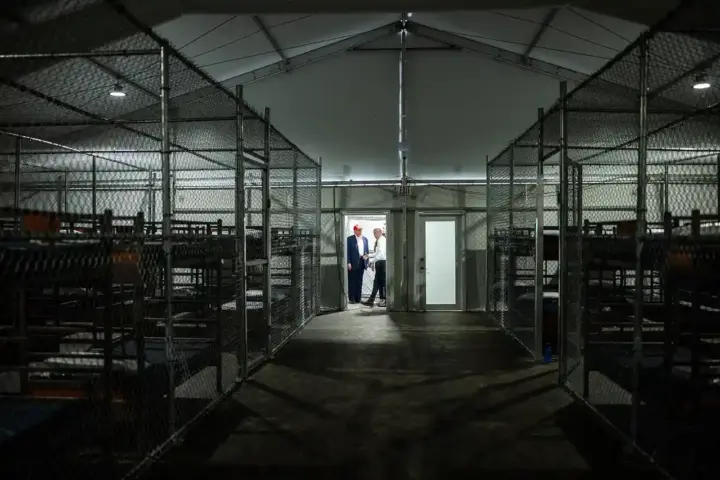
Cherwell District Council confirmed that the Home Office has announced plans to repurpose a site at the former Bicester Garrison for asylum accommodation. According to the planning application on Cherwell’s planning register, the proposed facility could accommodate up to 1,256 service users in non-detained asylum accommodation.
The planning consultation period was open until September 17, 2026. Cherwell District Council itself stated publicly that it was not consulted by the Home Office before the announcement was made.
The village’s independence ballot was not designed to achieve secession. Organisers have stated it was designed to generate media coverage to support fundraising for legal representation — with the aim of mounting a formal planning or judicial review challenge to the Ministry of Defence land repurposing.
That is a legitimate and sometimes effective legal route for communities opposing major development decisions. But it requires significant funding and a viable legal basis — neither of which comes from a symbolic vote.
Can a UK Village Legally Leave the United Kingdom?
No. Under British constitutional law, no parish, village, town, borough, or county has any legal mechanism to secede or declare independence. England has no constitutional framework equivalent to those in countries where regions or territories carry devolved sovereignty.
Ballots organised by parish councils or community groups in England are entirely non-binding expressions of political protest. They carry no statutory weight, create no legal obligations for central government, and cannot compel any changes to planning decisions, Home Office policies, or government infrastructure programmes.
The media framing of this as a “secession referendum” reflects how the community chose to publicise its protest — not any genuine constitutional claim.
What 1,256 Means — and Why the Number Matters
Multiple media reports on the Piddington story have circulated figures significantly larger than the official planning application. The Cherwell planning register, which is the official document of record for this proposal, supports a maximum of 1,256 service users at the former Bicester Garrison site.
That is the figure journalists and residents should use when discussing the proposal’s scale. Until a revised or updated official planning document changes it, the 1,256 figure is the verified basis for any reporting or community consultation response.
The gap between the official figure and some media-circulated numbers illustrates why engaging with the actual planning application — rather than media characterisations of it — is the most effective approach for anyone wanting to understand or formally respond to the proposal.
The Precedent This Protest Sets
Regardless of outcome, the Piddington independence ballot has established an interesting prototype for rural community opposition to Home Office facility decisions.
By generating national television and press coverage — including Sky News and BBC News — the village secured a level of public attention that a standard planning objection letter would be unlikely to generate. That attention is what the organisers hope will support fundraising for a planning challenge. Whether the judicial review route ultimately succeeds depends on the specific legal grounds available and the strength of the case that Home Office processes were not properly followed.
Can a UK village legally secede from the United Kingdom? No. Under British constitutional law, no parish, village, or town has any legal mechanism to secede or declare independence. Ballots organised by local councils or community groups are strictly non-binding expressions of protest with no statutory authority or legal consequence.
Why is Piddington village protesting against the Home Office? Residents are opposing Home Office plans to convert a former Bicester Garrison site into asylum accommodation for up to 1,256 service users. The symbolic independence vote was designed to generate media attention and public fundraising to support a formal planning or judicial review challenge, rather than to claim genuine constitutional independence.
What is planned for the MoD site near Piddington? A planning application submitted to Cherwell District Council proposes converting the former Bicester Garrison into non-detained asylum accommodation for up to 1,256 service users. Cherwell District Council stated it was not consulted before the Home Office announced the plans. The consultation period ran until September 17, 2026.
Closure
Piddington’s independence vote attracted national media attention in September 2026 but carries no legal weight under UK law. The formal planning application for up to 1,256 asylum service users at the former Bicester Garrison remains under Cherwell District Council review. Any judicial review challenge will need to establish procedural grounds against the Home Office’s handling of the proposal — the outcome will hinge on those legal arguments, not on the symbolic vote.