 Sunita Somvanshi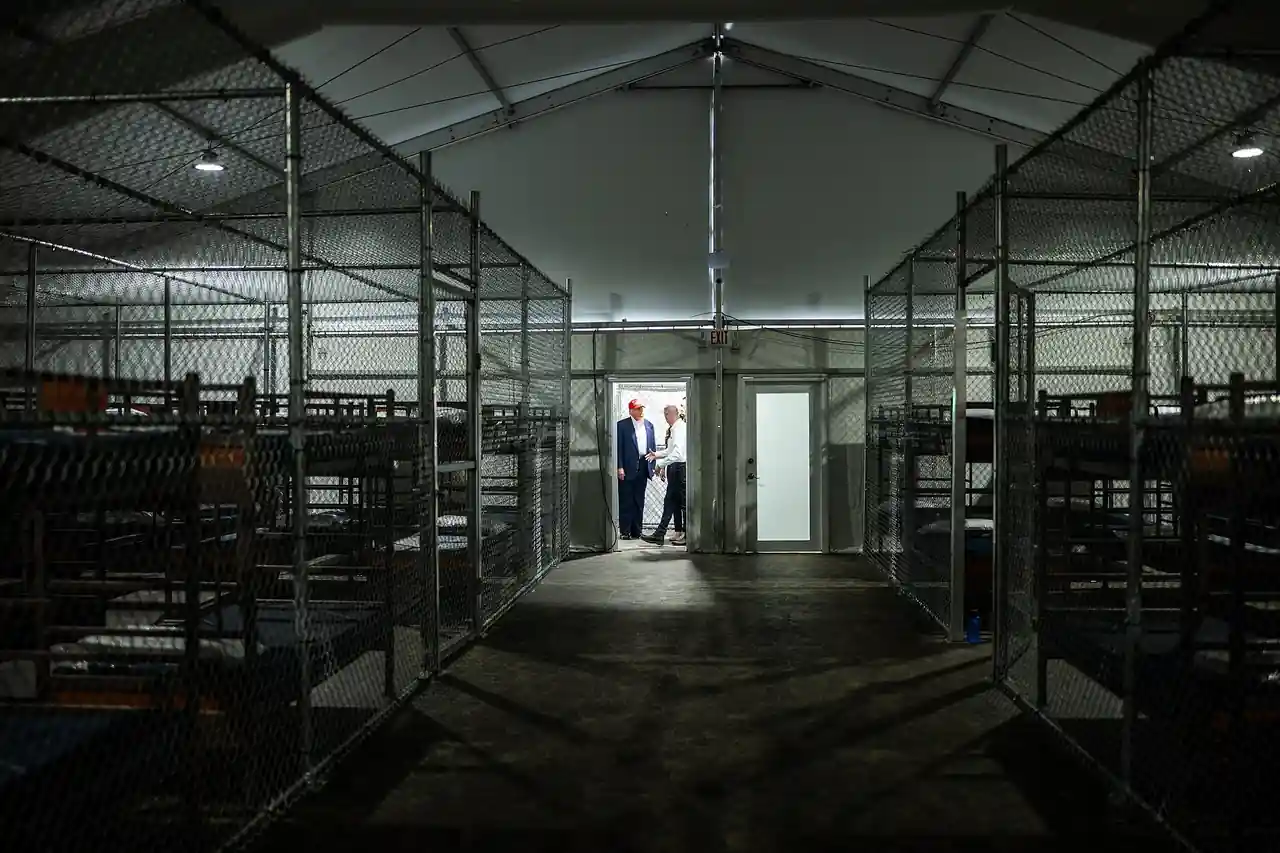
If you have been following the Alligator Alcatraz story through political commentary and advocacy claims, this article covers something different: what a federal watchdog — not a politician, not an advocacy group — actually documented when investigators went inside the facility.
The Department of Homeland Security’s Office of Inspector General conducted an inspection of the Florida detention site. What emerged is a government record of conditions, independent of the arguments that have surrounded the facility since it opened.
The Core Finding: 79 Detainees, Small Metal Enclosures
The DHS inspector general found that 79 detainees had been placed in small metal enclosures at the facility. The OIG report characterized the enclosures as approximately four feet wide. The facility itself referred to them as “calming areas.”
The watchdog’s assessment found that the use of these small metal enclosures was unprecedented among the detention facilities the OIG had previously inspected. The facility also failed to meet multiple federal detention standards.
What This Means for Anyone Watching Detention Policy
For families with relatives in ICE detention, and for anyone trying to assess how rapidly expanded detention facilities are being overseen, the OIG finding matters in a specific way. It is not a political claim. It is an official federal oversight record.
Detention conditions affect people’s health, their access to basic needs, and their treatment while in federal immigration custody. When a federal watchdog describes a practice as unprecedented among facilities it has inspected, that characterization carries institutional weight that political statements on either side of the issue do not.
Background: The Facility and Its Context
Alligator Alcatraz was the informal name given to a Florida detention facility that drew public attention for its conditions. The facility was subsequently closed. The inspector general’s findings were formally documented in DHS OIG Report OIG-26-22 (*Unannounced Inspection of ICE’s Florida Soft-Sided Facility in Ochopee, Florida*), released in September 2026.
The OIG inspection process is separate from political oversight. The DHS inspector general operates as an independent oversight body, investigating and reporting on conditions and compliance with detention standards across ICE-operated and contracted facilities.
The Alligator Alcatraz findings come amid a documented expansion of the overall ICE detention system. The Government Accountability Office recorded that ICE’s average daily detained population grew from 39,314 on January 20, 2025, to 67,204 by April 1, 2026 — a 71 percent increase over roughly 14 months. The number of authorized detention facilities expanded from 134 to 239 in the same period.
When a detention system grows that quickly, the oversight infrastructure has to keep pace with facilities and practices that may not have been evaluated before. The OIG finding that the use of small metal enclosures was unprecedented means that, by definition, the practice had not been encountered in prior inspections. For reporting on how this enforcement expansion is affecting individuals detained across the country, see ICE Airport Arrests Surge in 2026: Visa Holders and Long-Term Residents Detained Across 9 States and 57th ICE Detention Death: Lianyong Wei, 51, Dies in Saipan 36 Hours After Transfer.
The Watchdog Finding That Changes the Story
The most specific contribution the OIG made to the public record on Alligator Alcatraz is the “unprecedented” characterization. It means the inspector general did not find a practice that was merely unusual, or that had been documented elsewhere and raised concerns. It means the practice fell outside anything in the OIG’s comparative experience across the facilities it has inspected.
That changes the story from a dispute about whether conditions were bad to a documented institutional finding that a specific practice had no prior equivalent in OIG inspection history.
What did the DHS inspector general find at Alligator Alcatraz? The DHS inspector general found that 79 detainees had been placed in small metal enclosures at the facility, approximately four feet wide. The watchdog found the use of these enclosures unprecedented among detention facilities it had previously inspected and said the practice posed health and safety risks. The facility also failed to meet multiple detention standards. (DHS OIG Report OIG-26-22)
Why was Alligator Alcatraz closed? The DHS OIG report examined conditions at the facility and documented failures across multiple detention standards. The facility was closed after the inspection period; the OIG findings did not specify the official reason for the closure decision itself.
What does the DHS inspector general do? The DHS Office of Inspector General is an independent federal oversight body that inspects, audits, and investigates conditions, compliance, and operations across Department of Homeland Security facilities and programs, including ICE detention centers. Its findings represent official government records independent of political positions on immigration policy.
What Comes Next
The OIG findings can generate congressional, legal, and administrative responses. The DHS OIG’s public reading room holds the inspection reports and related documents for facilities across the detention system. The GAO’s ongoing documentation of detention expansion means oversight findings for individual facilities will continue to emerge as the system’s rapid growth is reviewed.