 Rahul Somvanshi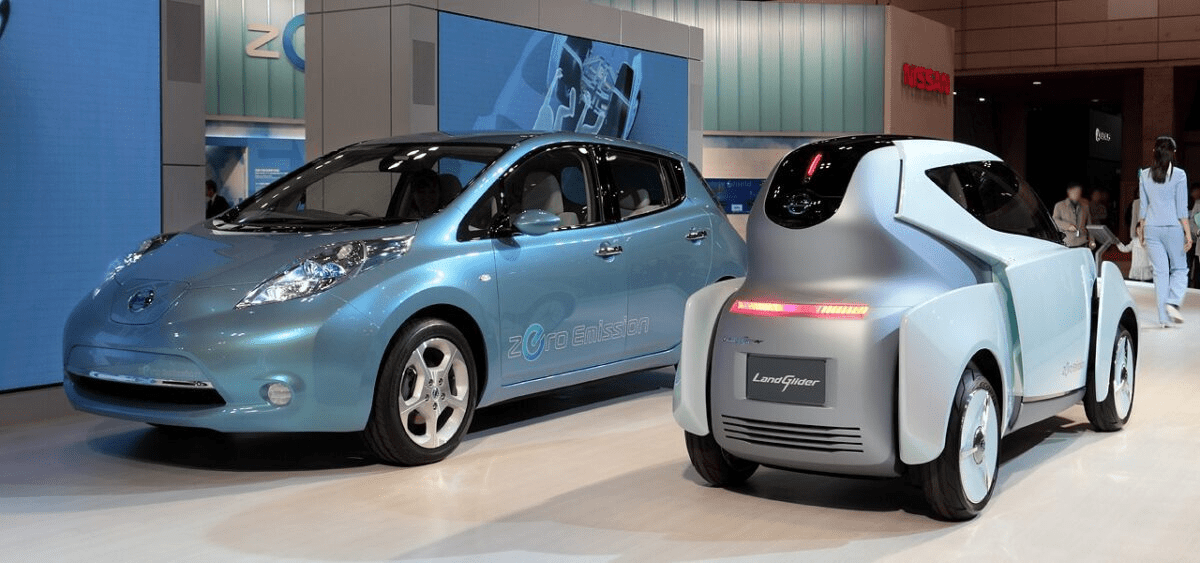
Nissan Motor Co. Presented its new development strategy known as “X-in-1” on Thursday. The X stands for the many powertrain parts like an electric motor or inverter that can be used across models. The company claims that the development and manufacturing costs will be reduced by 30% in 2026 in comparison to 2019 levels.
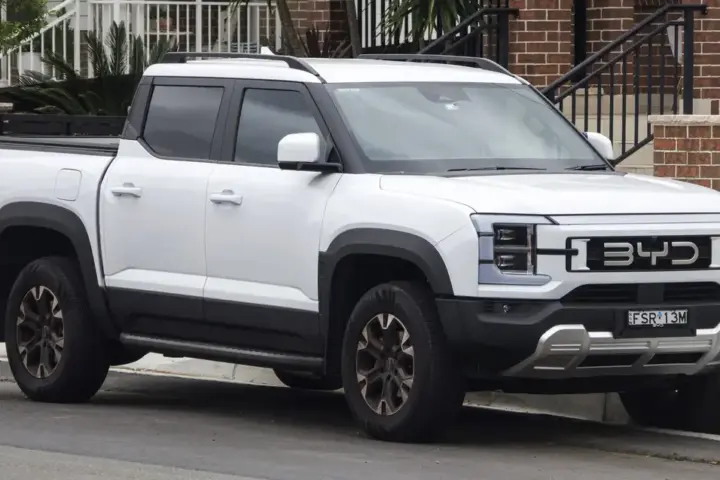
Nissan was one of the first pioneers in electric vehicles but competitors like Tesla and BYD of China have overtaken it. Recently, Nissan has been eager to present its prowess as the transition towards eco- friendly models gains preference around the world.
EV manufacturers must have a stable strategy for obtaining raw materials in order to succeed and sustain electrification. Nissan plans to reduce rare materials to 1% or less in its electric vehicles, while in the 2019 Nissan Note EV was up to 25%.
Nissan is also working on solid-state battery technology for EVs, a plan that can radically reduce costs if successful. By the year 2030, Nissan’s EV models will cost about the same as regular gasoline-engine models. Evs also have advantages like tax credits and other incentives.
- US-China Summit: Trump and Xi Agree $30B Tariff Cuts, Launch AI Working Group
- Marisa Tomei’s Fitness Routine at 61: Why Walking, Sleep, and Time Outdoors Keep Her Off the Conventional Gym Floor
- Ms. Olympia 2026 Results: Andrea Shaw Wins Seventh Consecutive Title as Mr. Olympia Men’s Open Final Runs Saturday September 26
- Billy Gardell After Gastric Bypass: The 170-Pound Loss, Diabetes Reversal, and Return to Open Mic Comedy in His Own Words
- Scientists Identify Drug Target That Reversed Age-Related Muscle Loss in Aging Rodents: What the JCI Study on NaV1.4 and ClC-1 Shows
Higher gasoline prices might push EVs as a preferable buy in the long run. As per a Consumer Reports analysis, EV owners can save their operating and maintenance costs between $1,800 and $2,600 for every 15,000 miles they drive, compared to drivers of gas-powered vehicles. Nissan has pledged 27 new electrified models, which include eight e-Power “series hybrid” models with both a gas engine and electric motor, by fiscal 2030.