 Tejal Somvanshi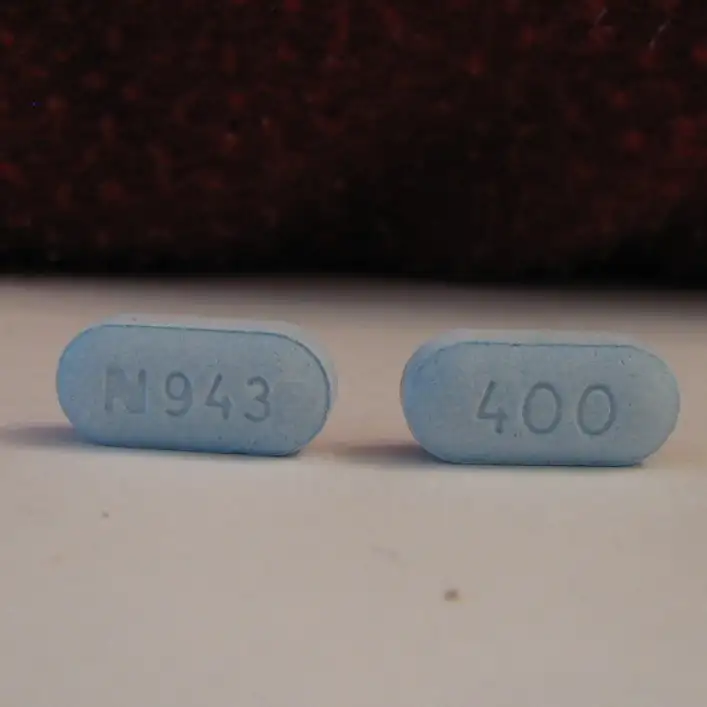
More than 100,000 people in England have now received potentially life-saving treatment for hepatitis C over the past decade, according to new NHS figures. Since pioneering antiviral tablets were rolled out in 2015, over 100,000 people have been diagnosed and treated, leaving England on course to become one of the first countries in the world to eliminate the virus.
Hepatitis C is a blood-borne virus that infects the liver. Left untreated it can cause serious and potentially life-threatening liver damage, yet it often produces no noticeable symptoms until the organ is already badly harmed, so many people carry it without knowing. The virus is most often spread through blood-to-blood contact, including sharing needles. Treatment is a free course of antiviral tablets taken for 8 to 12 weeks, and it cures more than 95 per cent of cases.
England has already surpassed the World Health Organization’s benchmark of treating 80 per cent of known cases, and deaths from the virus have fallen by 36 per cent in the last ten years. Effective treatment is estimated to cut the number of people needing a liver transplant by 80 per cent over the next decade, while also reducing liver cancer and cirrhosis. The treatment drive was made possible by a 2019 NHS deal with the pharmaceutical companies Gilead Sciences, MSD and AbbVie.
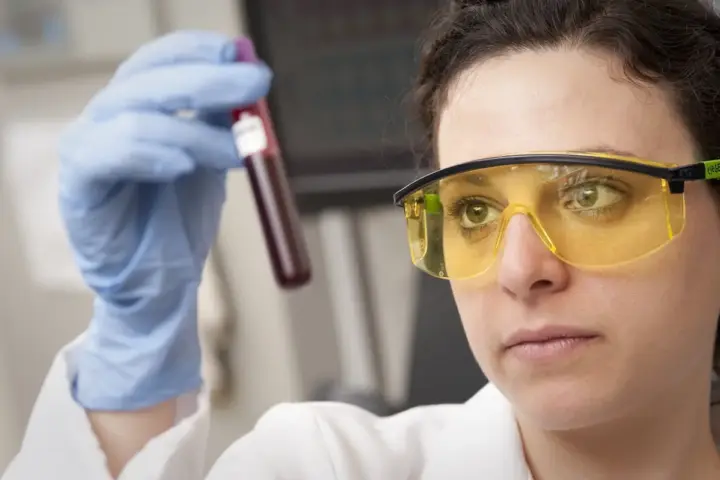
The NHS has expanded testing sharply in the last five years, including a programme in accident and emergency departments that has identified 1,900 previously undiagnosed cases since 2022. It is now urging people at greater risk to order a free, confidential home-testing kit online. Adults born in Ukraine, Romania, Estonia, Latvia, Poland, Albania, Lithuania, Bulgaria, Czechia or Slovakia are particularly encouraged to test, as some may have been infected through medical or dental procedures before 1991.
The virus can be cured in more than nine out of ten cases, and England’s progress brings it closer to eliminating hepatitis as a public health threat, with details set out in the NHS announcement.