 Govind Tekale
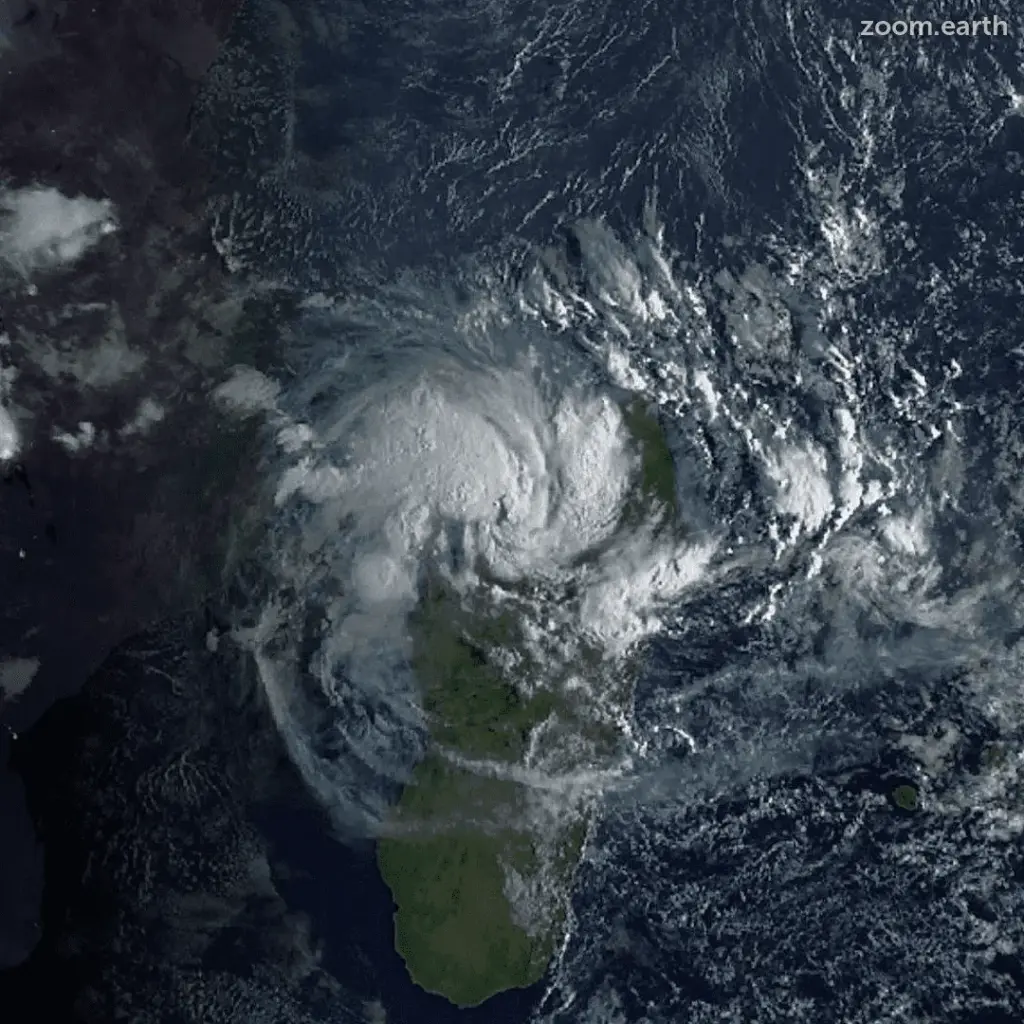
Tropical storm called Gombe formed over the Indian Ocean on March 7,2022,spinning up over open water northeast of Madagascar. Later that evening, the storm made landfall along the north east coast, becoming the fifth cyclone to make a direct hit on Madagascar in the last six weeks.
According to the Giobal Disaster Alert and Coordination Centre (GDACS),Tropical Storm Gombe carried maximum sustained winds of 65 km/h (40.4mph) when it came ashore over southern Antisirenna Province Tropical cyclone continued westward and passed over northern Madagascar (particularly northern Toamsina & Mahajanga Provinces) on 8 March.
As a tropical depression on 9 March at 6.00 UTC, its centre was located over the Mozambique Channel, approximately 580 km east of the coastal area of southern Nampula Province (northern Mozambique), with a maximum speed of 95 kmph (tropical storm)
Gombe is forecast to continue westward over the Mozambique Channel o n 9-11March further strengthening, after that it is forecast to make a landfall over the southern Nampula province (Southern Liupo Town) on11 March in the morning (UTC) with a maximum sustained winds up to 210 kmph (tropical cyclone) Over the next 48 hours heavy rainfall is expected to continue over the Northern Madagascar. Very heavy rainfall, strong wind& storm surge are forecast over northern and central Mozambique from10 March.
Cyclone Gombe hitting Madagascar as the country’s fifth cyclone of 2020 highlights the increasing frequency of extreme weather events linked to climate change in the Indian Ocean region. Madagascar, situated in a cyclone-prone zone, faces recurring devastating storms that strain infrastructure and humanitarian resources throughout the nation where coastal and inland communities struggle to recover between successive storm impacts on their homes, crops, and livelihoods.
The 2020 cyclone season demonstrated how climate change intensifies tropical cyclone formation through warmer ocean surface temperatures that provide energy for storm development and intensification. Rising sea surface temperatures in the Indian Ocean have increased both the frequency and intensity of cyclonic activity affecting Madagascar and surrounding island nations across the southwestern Indian Ocean basin where weather patterns have shifted dramatically in recent decades.
Coastal communities suffer immediate impacts including flooding, infrastructure damage, and saltwater intrusion that contaminates freshwater supplies for months following storm events, devastating agricultural sectors through crop losses that compromise food security for extended periods, particularly affecting smallholder farmers who lack resources for recovery and must replant fields damaged by floodwaters and strong winds.
Adaptation strategies include early warning systems, cyclone-resistant infrastructure development, and diversified agricultural practices that build resilience against climate-related disasters through improved drainage systems, elevated housing construction, and crop variety diversification that reduces vulnerability to single-event losses and ensures community food security during recovery periods.
See related: monsoon patterns.
See related: cyclone formation.