 Rahul Somvanshi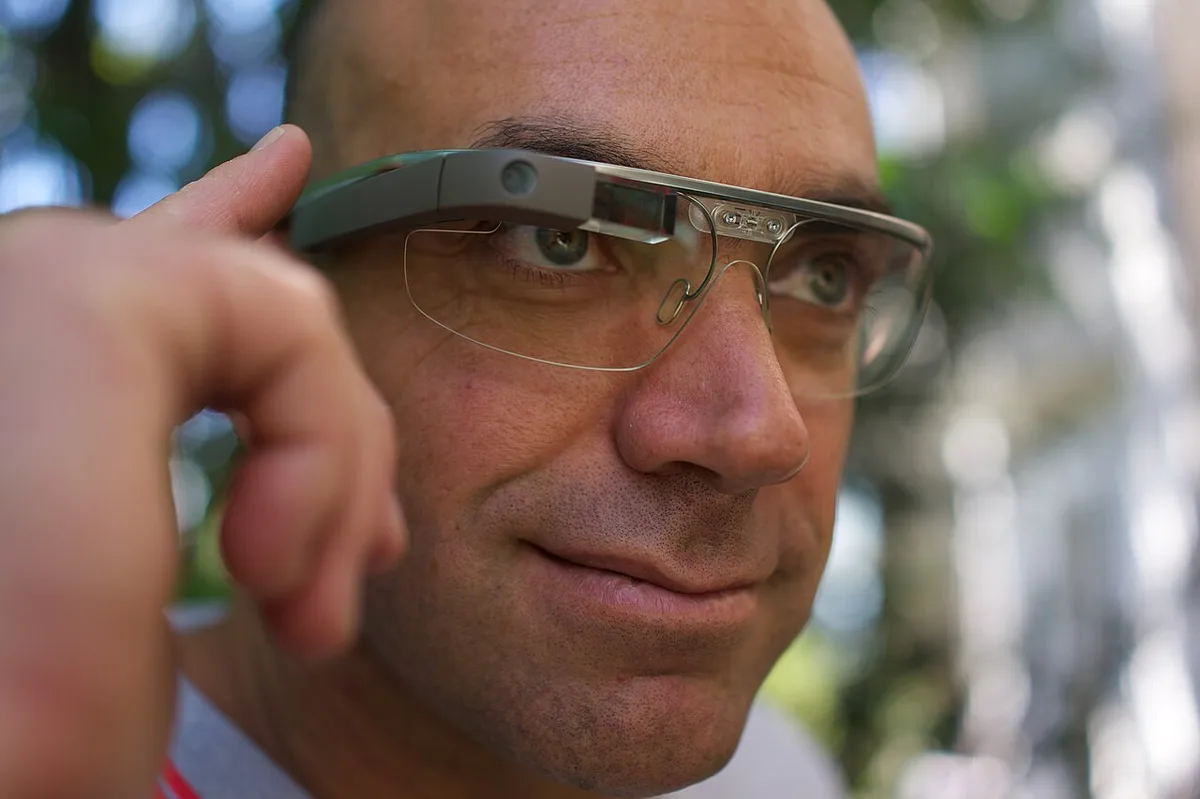
Estimated reading time: 2 minutes
Kmart‘s new $89 Anko smart glasses have sold out nationwide in just days, sparking a privacy backlash from digital rights advocates who warn the affordable wearable technology enables covert filming.
The budget-priced camera glasses undercut Meta’s Ray-Ban smart eyewear by approximately 81 percent. Meta’s model starts at $469, placing it out of reach for casual buyers. Kmart‘s Anko glasses feature 8-megapixel photo capability and 1080p video recording through a companion smartphone app called HeyCyan.
They look ordinary—thick-rimmed black frames with clear lenses. That’s precisely the problem, according to privacy experts. The glasses record and photograph without visible indicators, making it impossible for bystanders to know they’re being filmed or photographed.
Tom Sulston, head of policy at Digital Rights Watch, called the glasses a “privacy nightmare.” He noted that the low cost means covert recording equipment now sits within impulse-buy range on a retail shelf. Previous affordable wearable cameras cost hundreds of dollars, limiting adoption. At $89, that barrier has collapsed.
Australia’s privacy laws don’t cover individuals filming other people in public places. The laws regulate how organizations handle personal data, not what individuals record. This creates a legal gap where people can record strangers without consent, and enforcement mechanisms are limited.
Kmart responded to criticism by stating the glasses belong to an “established and increasingly mainstream category of wearable technology” and that customers should use them “responsibly, respectfully and in accordance with applicable laws and community expectations around privacy.”
Some early adopters report discomfort wearing the glasses in public. People worry about being confronted or judged for possessing recording equipment, even when using it legitimately. This social friction creates a secondary layer of concern: wearable cameras may become normalized while public trust erodes.
Tech commentator Trevor Long noted that banning one product won’t stop the broader trend. Camera-equipped glasses are coming regardless. The real issue is whether regulations can keep pace with wearable technology adoption.
The Australian government is monitoring the situation. No specific regulatory changes have been announced, but policymakers are watching consumer uptake and public reaction.
Kmart has sold far more units than it initially stocked. The rapid sell-out suggests appetite for affordable smart glasses extends beyond early adopters into mainstream consumers who may not fully understand privacy implications.
—