 Sunita Somvanshi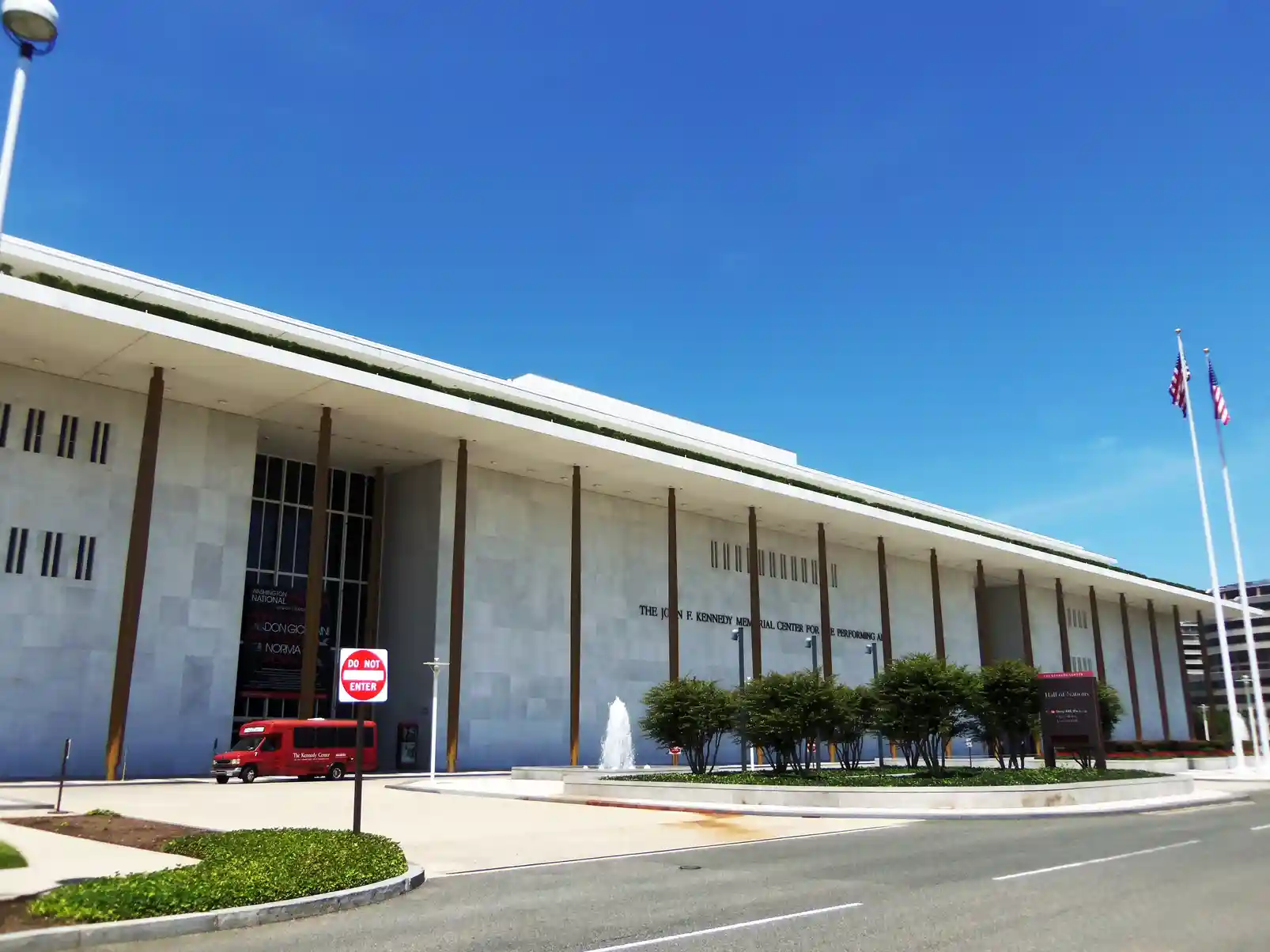
The Kennedy Center—the nation’s premier performing arts venue—faces a significant structural challenge: balancing complex federal funding, deferred maintenance, and operational sustainability.
Operating the Kennedy Center requires roughly $37.2 million annually in the fiscal 2026 budget request. Of that figure, approximately $32.34 million addresses direct operations and building maintenance. The remaining allocation supports federal stewardship of the facility, which Congress designated as a national cultural institution.
Ticket revenue and philanthropic contributions generate about 80% of operating funds, according to Kennedy Center financial disclosures. That ratio has become increasingly critical as attendance patterns shift. In fiscal 2026, the organization projected a $23 million operating deficit after advance subscription and donor contribution forecasts fell substantially below budget—a shortfall reflecting broader post-pandemic patterns in the performing arts sector.
The main building, which opened in September 1971, requires significant capital repair. Congress appropriated roughly $257 million for capital restoration, maintenance backlog remediation, and security infrastructure improvements. These funds address decades of deferred work essential to maintaining the facility’s operational safety and structural integrity.
In August 2026, the Kennedy Center board voted to close the main building for an extended major renovation. The National Symphony Orchestra’s 2026–27 season is being relocated to alternative venues while the main building undergoes critical repairs. The REACH (a secondary performance space completed in 2019) remains open for limited programming during this period.
Federal court filings document the administration’s assessment that the main building requires comprehensive renovation to prevent long-term structural deterioration. This ongoing maintenance challenge reflects the reality of operating a 55-year-old facility designed for 6,000+ daily visitors and complex technical infrastructure.
Large performing arts institutions face comparable pressures. Research from Southern Methodist University indicates peer institutions maintain financial stability through balanced federal support and earned revenue, a model the Kennedy Center continues refining.