 Sonali Tiwary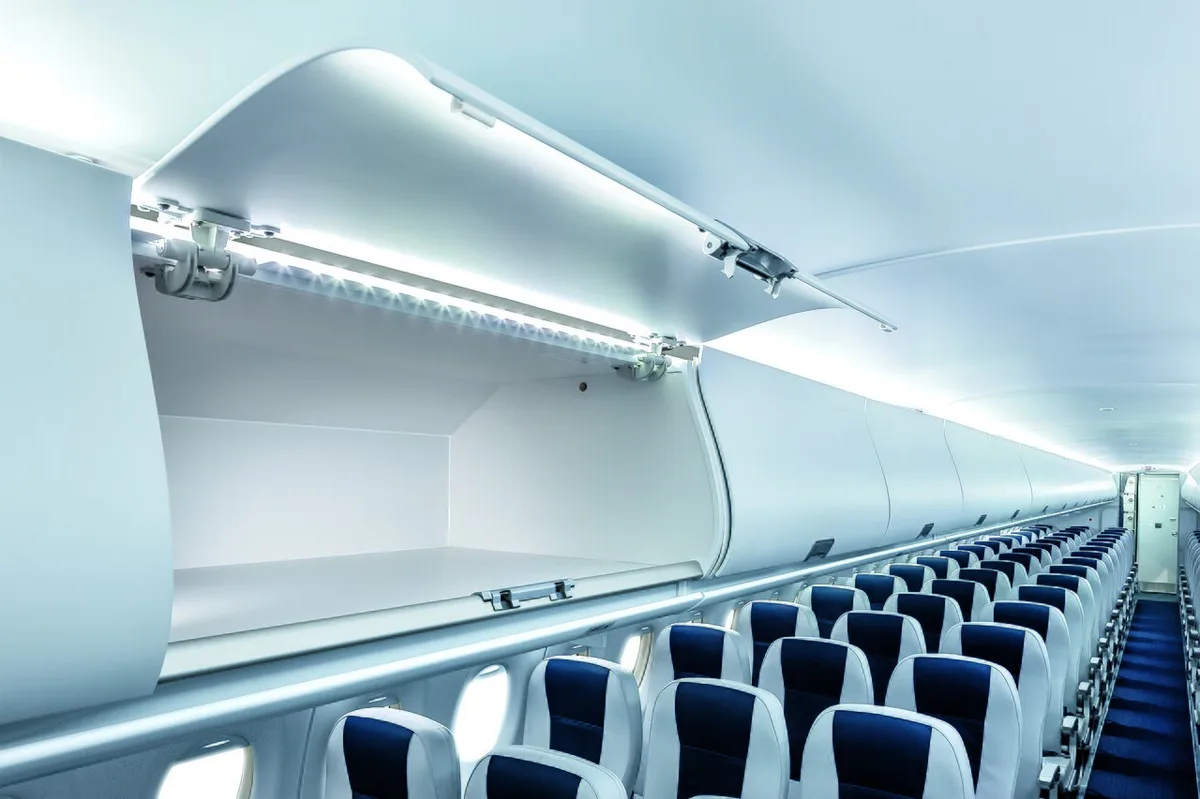
Estimated reading time: 2 minutes
Jetstar passengers flying from February 2, 2027, will face new charges for storing carry-on bags in overhead lockers, marking a significant shift in how Australia’s largest budget airline operates.
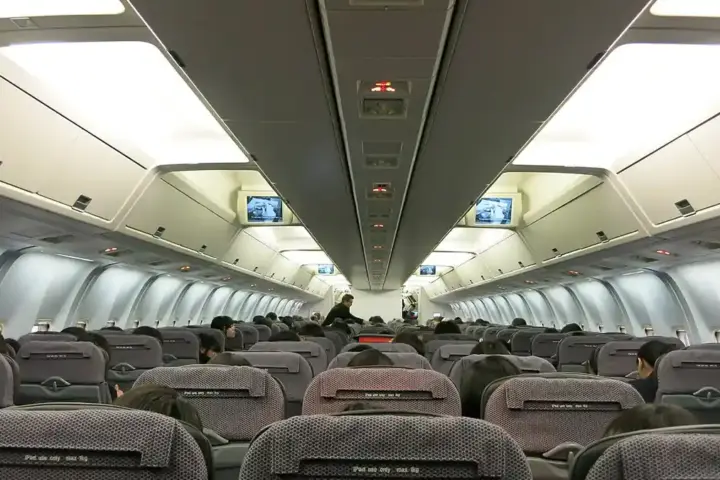
The budget carrier will increase its carry-on weight limit from seven kilograms to a size-based system. Each booking includes one small personal item that fits under the seat—such as a backpack, handbag, or laptop bag. Anything larger must be purchased separately.
Overhead locker access will now cost between $25 and $52 per flight depending on the route. The charge gives passengers “priority carry-on” access and boarding priority. Jetstar Chief Executive Stephanie Tully said this change would streamline boarding and help more flights depart on time while keeping base fares low. The system mimics models used by European carriers like Ryanair.
In June 2026, only 75 percent of Jetstar’s domestic departures left on time, compared with the industry average of 81.9 percent. The airline attributed past delays partly to overhead locker congestion and bag dimension issues.
The move generates extra revenue beyond base fares, though Jetstar downplayed this as secondary. Consultant analysis suggests stricter enforcement of carry-on dimensions (without charging) or boarding group management could have achieved similar results. Instead, Jetstar opted for direct monetization—a pattern evident across the budget airline sector as carriers extract fees for nearly everything.
This is the first charge of its kind by a major Australian or New Zealand airline. Competitor reactions remain unclear, though budget carriers globally continue expanding ancillary revenue streams.
Passengers face an uncomfortable choice: pay for overhead access or pack everything into a small under-seat bag. Those flying occasionally might absorb the cost; frequent travelers could see bag fees add substantially to annual airfare costs. The change reflects a broader industry trend toward unbundled pricing, where airlines separate base fares from seat selection, baggage, and other formerly standard services.
—