Invest in AI Hardware? OpenAI AMD GPU Gains Hit 14%
 Karmactive Team
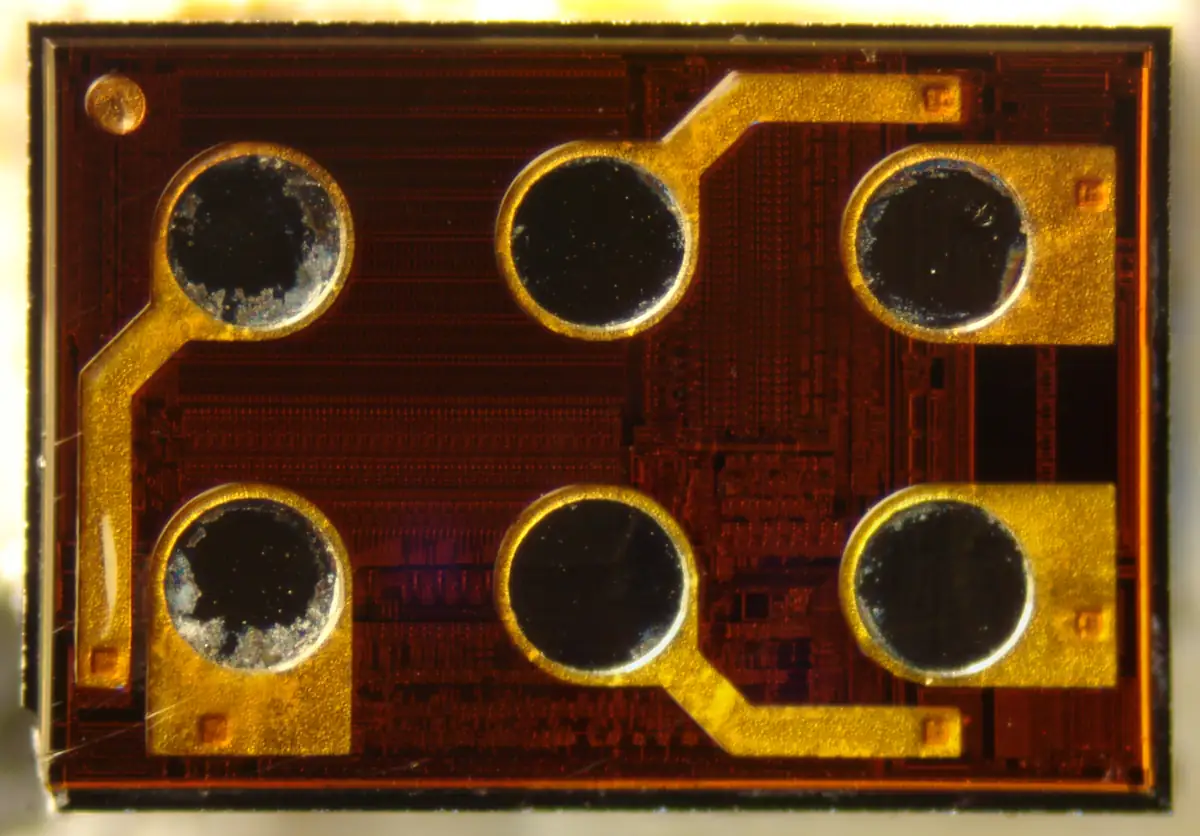
If you buy, build, or invest in AI hardware, chip design speed now matters. On November 18, 2026, OpenAI said its AI models helped redesign key parts of an AMD GPU. A GPU, or graphics processing unit, is the chip type that does most of the heavy lifting for AI training and answering. Some of those changes are already heading to the factory. Here is what the results show, and what they do not yet prove.
OpenAI published the results on November 18, 2026, in a technical post on its website. Its models rewrote parts of SystemVerilog code, the text that describes how circuits are wired inside a chip, according to OpenAI’s technical post. The target was AMD’s flagship GPU intellectual property (IP), a reusable block of chip design developed by AMD.
The 14% figure is a best-case result for individual blocks of AMD’s flagship GPU IP, not a speedup of the whole GPU. Karmactive has also covered an AI method that cut wireless chip design time from weeks to minutes. OpenAI also reported that AMD verified single-digit percentage PPA gains across key blocks of its next-generation flagship CPU, the central processor that handles general computing tasks. Single-digit means below 10%, so the CPU improvements were smaller than the GPU result.
The work builds on a commercial relationship. In October 2025, AMD and OpenAI announced a multi-year agreement to deploy 6 gigawatts of AMD Instinct GPUs, as AMD’s newsroom announced. The first 1-gigawatt deployment of AMD Instinct MI450 GPUs is set to begin in the second half of 2026. A gigawatt measures power capacity, roughly the output of a large power plant.


Latest from Technology

Use Claude at Work? Anthropic Safe AI Label Dispute Explained
If you use Claude at work, or you are considering buying shares in the company behind it, a central question is whether Anthropic’s “safe AI” label matches what it does. A coalition

Apple Sign-In Outage Stalls Cloud Accounts Across Major Markets as Unverified Reports of Hotel Key Lockouts Spread
Apple confirmed a sign-in service disruption on Tuesday, November 10, 2026, that affected iCloud accounts, Mail, Calendar, Contacts, Photos and Find My from 5:49 p.m. ET. The company restored the affected services
Classified National Security Network JWICS Goes Down in Rare Multi-Hour Blackout as Officials Rule Out Cyberattack
The Joint Worldwide Intelligence Communications System, the network that carries Top Secret and Sensitive Compartmented Information for United States intelligence agencies, went offline for several hours on November 17, 2026. Officials said
Four Outages in Six Days Halt US Flights and Banking as Officials Disclose Router Flooding Triggered the 4-Hour Ground Stop
Flights stopped, bank payments stalled, and Microsoft and Apple services went down within one week. Many people asked the same question: was someone running a coordinated attack on the country’s systems? Here
Java4Shell CVE Patch Alert: CISA Urges Immediate Patching for Critical Java Flaw
If your company runs Java 17 or newer on a recent Intel Xeon or AMD EPYC server, a Java4Shell CVE-2026-114938 patch alert may matter to you. Attackers can send specially crafted data

FBI Warns Autonomous ARTEX AI Tool Breaches Enterprise Networks in Under Three Hours Across 1,600 Exposed Consoles
The FBI ARTEX AI tool warning applies to any company that runs cloud accounts or admin logins reachable from the internet. The FBI says criminals are using an open-source AI framework called

Canada Alert Ready Test Sounds Across Thirteen Regions as Officials Explain Why Certain Mobile Phones Stayed Quiet
Canada’s national emergency alerting system, Alert Ready, is conducting a scheduled nationwide test today, Wednesday, November 18, 2026. Test notifications will be broadcast across television, radio, and compatible LTE and 5G mobile
Chase Software Bug Outage Stalls Zelle Transfers Across Major US Banks During Peak Five-Hour Trading Window
JPMorgan Chase says its systems were back to normal by Monday evening after a software-bug outage that disrupted online banking and delayed some transfers. A Chase spokesman described it as a temporary
Optimizely Script Hijack Hits 178 Sites as Malicious Code Silently Intercepts Checkout Forms and Crypto Wallets
If you visited BBC, CNN, Zoom, HSBC, Equifax, IKEA, Ledger or another major site on Nov. 16, the first question is whether you entered card details, copied a crypto address or used
Wearable Ultrasound Patch Reaches REM Sleep 43 Minutes Faster in UT Austin NEUSLeeP Study
You lie awake in the dark, body exhausted but mind still cycling through the day’s unfinished pressure. By the time you finally drift off, the alarm is only a few hours away
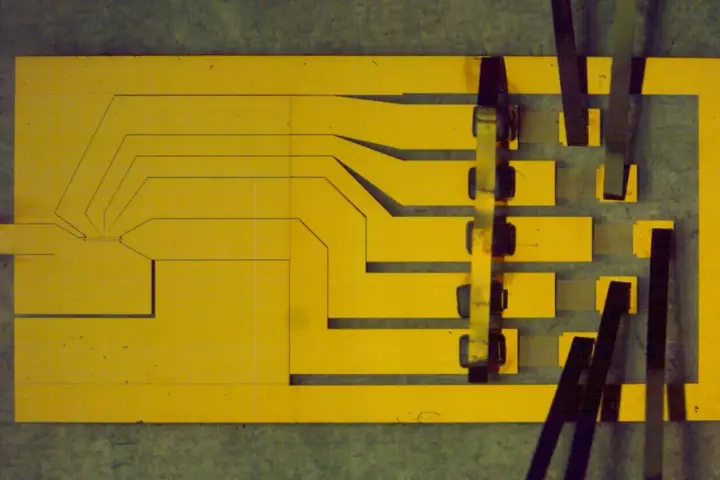
Analog Quantum Simulation Verification: 51-Ion System Earns Certified Error Bounds
**Scientists Address analog quantum simulation‘s verification Challenge With Certified Error Margins on a 51-Ion System** When a trapped-ion quantum simulator scales beyond roughly 50 ions, verifying its outputs with classical methods becomes

Meta Fined $887 Million in Italy Over Facebook Android Photo Access
If you use the Facebook app on Android, you may have once tapped “allow” on a photo permission. Italy’s privacy regulator has now ruled that the permission went further than you knew.

COP31 AI Climate Initiative: UN Mandates Energy, Water, and Land Disclosure for Tech
Your company’s AI tools pull power from data centers around the clock. Those centers drink water to stay cool and sit on land cleared for infrastructure. Until now, no standard forced the
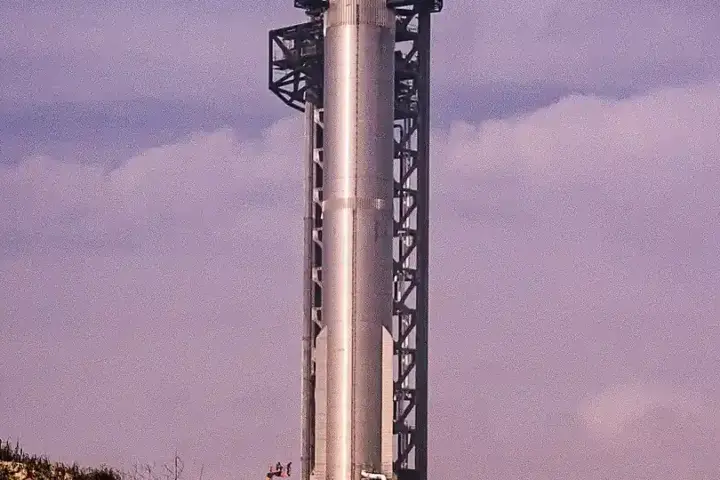
SpaceX Starship Flight 15 Launch Time: Double Tower Catch Attempt
SpaceX is targeting no earlier than 5:45 p.m. EST on November 13 for Starship Flight 15 from Starbase, Texas. The SpaceX Starship Flight 15 launch time matters because the mission is expected

Bilaspur–Manali–Leh Railway: Tanglang La Station Record
Indian Railways’ Detailed Project Report (DPR) for the 489-km Bilaspur–Manali–Leh corridor maps out a ₹1.31 lakh crore Himalayan engineering feat: a station beneath Ladakh’s Tanglang La at 5,256 metres (17,244 feet), eclipsing