Rahul Somvanshi
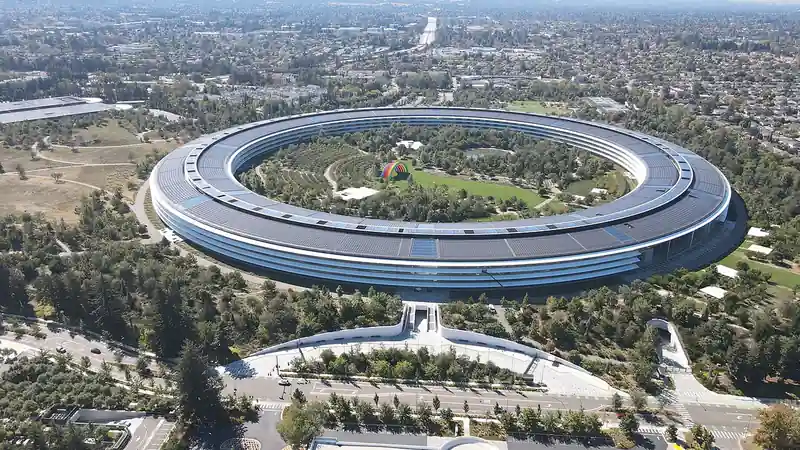
Apple confirmed a sign-in service disruption on Tuesday, November 10, 2026, that affected iCloud accounts, Mail, Calendar, Contacts, Photos and Find My from 5:49 p.m. ET. The company restored the affected services later that evening and said engineers were investigating a configuration update. Apple’s official system status page and the developer status page carry the real-time incident record.
The disruption arrived in a week when several unrelated failures hit major services. Microsoft traced its Exchange Online and Teams outage to a latent software bug, the Federal Aviation Administration ordered a four-hour ground stop after legacy telecom equipment was flooded with connection attempts, and Chase confirmed an on-premises software bug delayed payments. Officials found no evidence that the failures were coordinated.
What the Apple Outage Did and Did Not Affect
Apple Pay transactions were not confirmed to have failed. No Apple status bulletin or primary record documents an Apple Pay outage on November 10 or November 17, and Apple’s public incident history for that period lists sign-in and iCloud services rather than wallet transactions.
Reports that hotel digital keys stopped working because of Apple’s server problems are likewise unverified. Marriott’s guest services portal has not published an advisory linking Apple Wallet tokenization to room-lock failures, and no primary record confirms that hotel check-in systems went down for that reason. Travelers who saw a lockout should treat it as unconfirmed unless the hotel or Apple confirms it.
The episode still illustrates how much daily activity depends on a single set of cloud credentials. When a sign-in provider stalls, the effects reach email, photo storage, device tracking and any third-party service that authenticates through that account. Other network failures this year produced similar knock-on complaints: a UK mobile outage triggered compensation claims and grid failures left thousands of customers without service.
Before assuming a linked service has failed, check the provider’s own status page. Apple publishes incident and resolution times there, and it is the only source that can confirm whether a given service was affected.