 Sunita Somvanshi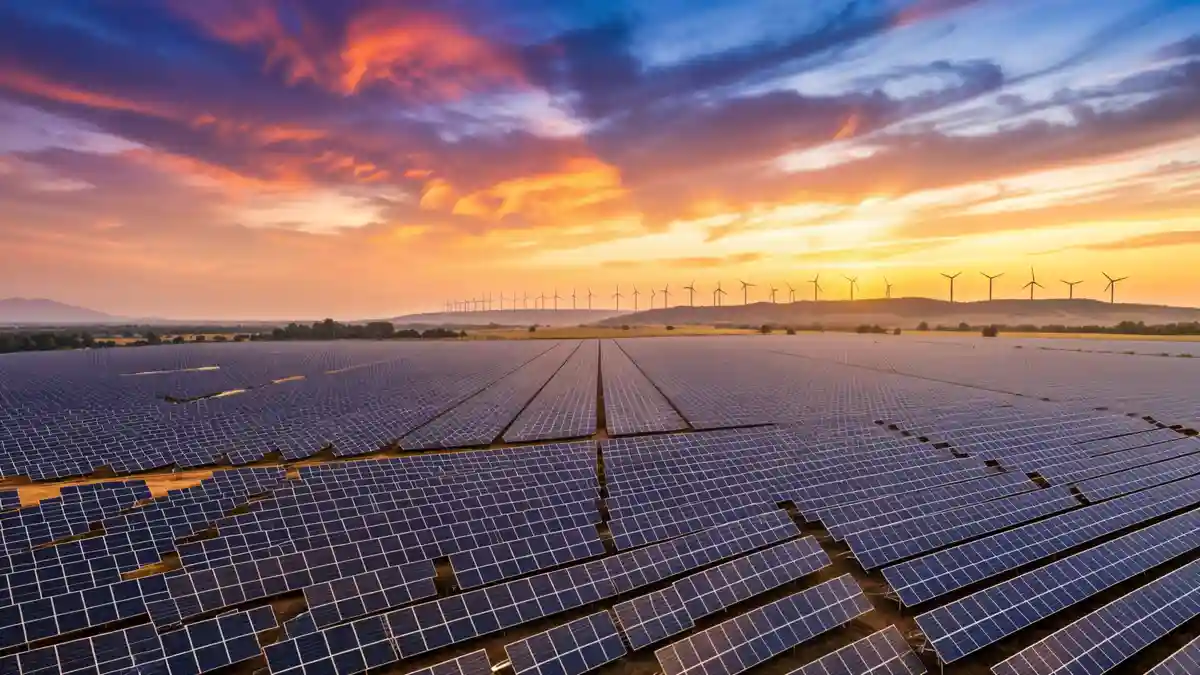
India has crossed a major clean energy milestone, reaching 300.50 GW of non-fossil fuel-based installed electricity generation capacity as of July 31, 2026, according to the Ministry of New and Renewable Energy. The figure accounts for over 54% of the country’s total installed capacity of approximately 552 GW, and puts India on track to exceed 60% of its 500 GW non-fossil target by 2030, a journey first outlined in India’s broader quest to 500 GW.
Solar energy has been the primary growth engine, rising from just 2.8 GW in 2014 to 164.59 GW by July 2026, while wind power capacity increased from 21 GW to 58.14 GW over the same period. Hydroelectric (57.24 GW), bio-power (11.75 GW), and nuclear (8.78 GW) capacity contributed the remainder of the 300.50 GW total. This surge mirrors global trends where renewables overtook coal as the largest source of electricity generation.
The rapid expansion was driven by policy support including production-linked incentives for domestic solar manufacturing and streamlined grid integration, though new treasury rules have raised concerns about further solar capacity additions. During the financial year 2025-26 alone, a record 55.29 GW of non-fossil capacity was added, with 44.6 GW coming from solar and 6 GW from wind. Battery storage represents the second-largest category of new power capacity in the US, a trend mirrored by India’s accelerating renewable expansion, where the government’s Production Linked Incentive scheme has transformed domestic solar manufacturing capacity under the Approved List of Models and Manufacturers from 2.3 GW in 2014 to over 200 GW. This PLI-driven manufacturing transformation ensures supply chain independence and reduces reliance on imports for critical components.
The National Green Hydrogen Mission, with an outlay of 19,744 crore, positions India as a potential global hub for green hydrogen production and export. Seawater-based hydrogen production is also gaining traction globally, offering a pathway to low-cost clean fuels that could complement India’s own National Green Hydrogen Mission objectives and export strategy. The government has also approved a 37,500 crore surface coal and lignite gasification scheme to utilise approximately 75 million tonnes of coal annually, bridging the energy transition while renewable capacity scales to meet the needs of a rapidly electrifying economy driven by data centres, electric vehicles, and artificial intelligence compute, as China’s solar boom demonstrates the global scale of renewable deployment and Denmark’s wind energy challenges show the complexity of grid-scale integration. Portugal’s 89% renewable energy achievement in Q1 2024 offers another example of how advanced economies can successfully transition to clean power while maintaining grid reliability. Renewable energy generation has grown from 190.96 billion units in 2014-15 to 477.79 billion units in 2025-26, and India ranks third globally in renewable energy as Portugal’s first electric ferry begins commercial service, having become the second-largest solar growth market in 2025 with over 37 GW of new solar capacity added. India’s hydrogen-fueled train launch promises sustainable transit alongside India’s own clean energy manufacturing push.