 Govind Tekale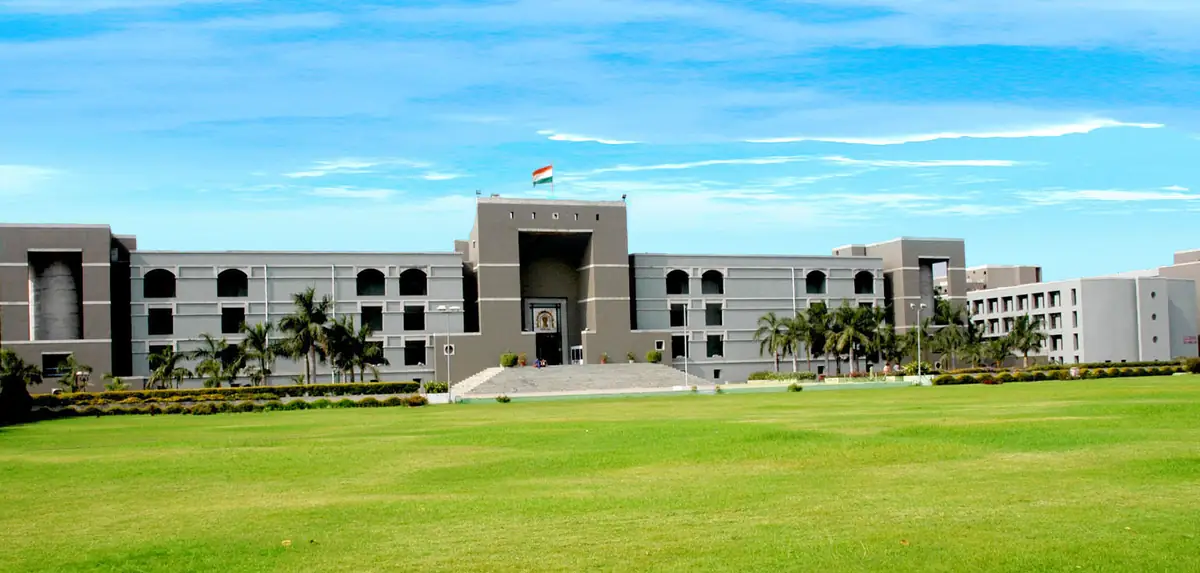
Property owners and tenants in Gujarat have spent weeks trying to work out what a sweeping new rental law would mean for their leases, deposits, and court cases. On October 5, they got an unexpected answer: possibly nothing. The Advocate General told the High Court that the state had given an assurance that the Governor would not sign the bill in its current form — the same day lawyers across the state halted all court work.
The Gujarat Tenancy and Rent Control Bill 2026 cleared the state legislative assembly in September. It proposed capping security deposits at three months’ rent, mandating written agreements for all rental arrangements, and transferring rent and eviction disputes from Small Causes Courts to a three-tier administrative structure: a Rent Authority at the first level, a Rent Court on appeal, and a Rent Tribunal — headed by a District Judge or Additional District Judge — as the final appellate forum. On October 5, the Gujarat High Court Advocates’ Association (GHCAA) announced a two-day abstention from court work on October 5 and 6, while the Bar Council of Gujarat called for a statewide abstention until a satisfactory resolution is reached. During proceedings at the Gujarat High Court on the same day, the Advocate General confirmed the assurance that the Governor would not grant the bill formal assent in its current form. The boycott disrupted hearings and court work in several forums across the state.
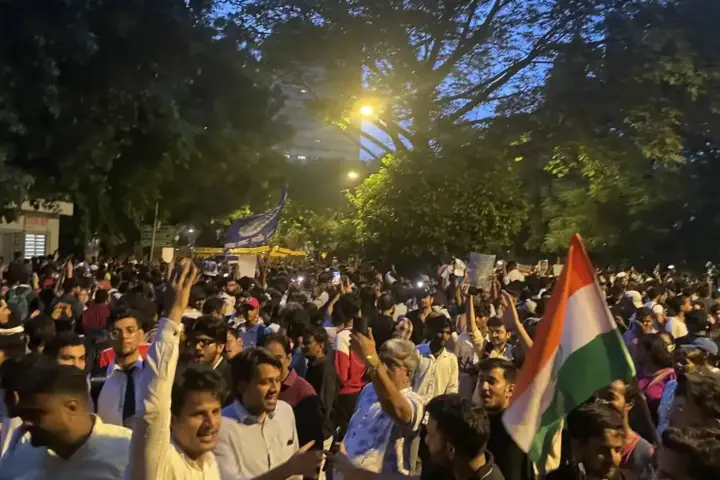
Property owners and tenants in Gujarat face a disruption in legal proceedings as lawyers across the High Court and district courts observe the work boycott. The strike challenges proposed legislation transferring rent and eviction disputes from Small Causes Courts to revenue officers who are already stretched by administrative workloads. If the bill eventually receives gubernatorial assent without amendments, litigants will face executive administrative hearings rather than judicial court trials, which would dramatically change both eviction timelines and how tenancy disputes are argued and decided.
The core objection from both bar bodies is structural. Under the bill as passed by the assembly, proceedings would go first to a Rent Authority, then to a Rent Court on appeal, and then to a Rent Tribunal headed by a District Judge or Additional District Judge. GHCAA president Yatin Oza and Bar Council of Gujarat chair P.D. Patel both argued in their formal resolutions that revenue officers lack judicial training in evidence evaluation and are already burdened with administrative functions across rural land records, agricultural procurement, and local infrastructure.
Lawyers across Gujarat are protesting because the 2026 Rent Bill would strip Small Causes and Civil Courts of jurisdiction over tenancy disputes, handing adjudicatory and eviction powers to executive revenue officers.
What the Governor’s Assurance Changes Right Now
A bill that has cleared the assembly but not received gubernatorial assent is not operative law. That distinction matters immediately for anyone deciding whether to renegotiate a lease, demand a deposit refund under the proposed cap, or file a new tenancy case. None of the proposed provisions — not the three-month security deposit limit, not the mandatory written agreement requirement, not the new Rent Authority jurisdiction — apply to any rental contract today.
The Bar Council has requested a formal delegation meeting with Chief Minister Bhupendra Patel to push for either full withdrawal or substantial revision of the bill before any further steps are taken.
For landlords and tenants with active rent disputes in Ahmedabad, Surat, Vadodara, or anywhere else in Gujarat, the current legal framework remains the applicable one.
The next development to watch is the outcome of the Bar Council’s meeting with the Chief Minister and whether the government introduces amendments or tables the bill entirely. Karmactive will follow up when a formal decision is published.
—
India voter-roll and Supreme Court legal dispute · High Court of Gujarat · Bar Council of Gujarat announcements