Google’s Gemini 3.8 Flash AI Codes Software and Fixes Security Bugs Automatically

September 4, 2026
1 min read
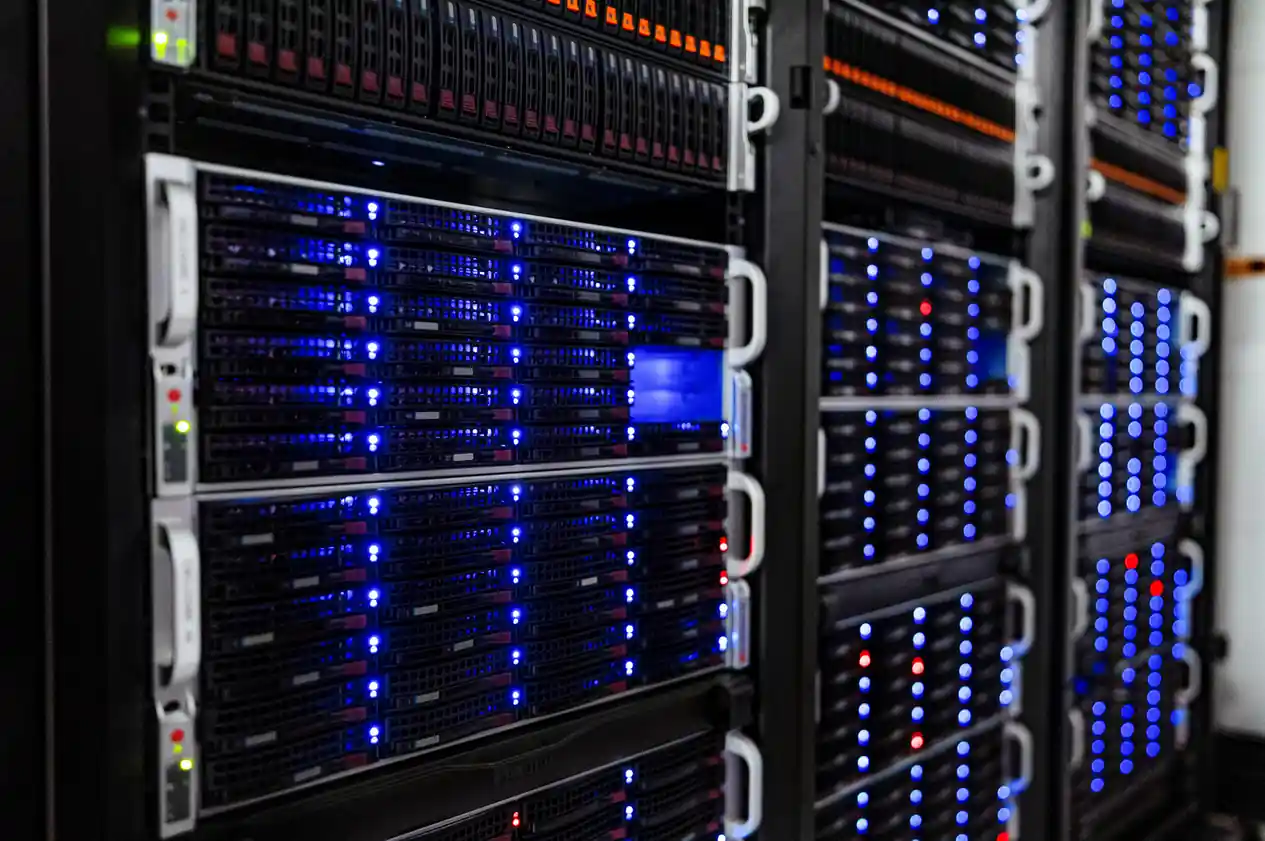
Rows of illuminated server blades and network cabling housed in an enterprise computing data center.

Rows of networked server blades process the millions of command sequences that automated software agents execute during vulnerability assessments. When defensive algorithms achieve an 86.2 percent success rate on diagnostic penetration benchmarks, a single missed configuration in legacy code demonstrates how narrow the margin remains between system protection and automated exploitation. [Photo Source: NOIRLab / NSF / AURA, CC BY 4.0]

Google has released two related AI models called Gemini 3.8 Flash and Gemini 3.8 Flash Cyber. Gemini 3.8 Flash is designed for long-horizon software engineering and complex enterprise workflows, while Gemini 3.8 Flash Cyber specializes specifically in finding and fixing security vulnerabilities.

Gemini 3.8 Flash handles what Google calls long-horizon software engineering, letting the model work through multiple steps in a coding project rather than just answering a single question. Google describes iterative tool calls and agentic workflows that allow the model to complete complex development tasks.

Flash Cyber specializes in security work. Developers can use it to find vulnerabilities in code and automatically generate validated patches. Google reports it reached 86.2 percent on CyberGym Pass@1 testing, while the company also says it achieved over 70 percent success on internal benchmarks measuring real-world vulnerability discovery across 20 programming languages.

The pricing makes this accessible for more developers. Google set introductory rates at 75 cents per million input tokens and three dollars and 75 cents per million output tokens through December 31, 2026. Google’s own documentation also acknowledges limitations such as hallucinations, ongoing jailbreak-resistance work, and occasional timeouts.

Rahul Somvanshi

Rahul, possessing a profound background in the creative industry, illuminates the unspoken, often confronting revelations and unpleasant subjects, navigating their complexities with a discerning eye. He perpetually questions, explores, and unveils the multifaceted impacts of change and transformation in our global landscape. As an experienced filmmaker and writer, he intricately delves into the realms of sustainability, design, flora and fauna, health, science and technology, mobility, and space, ceaselessly investigating the practical applications and transformative potentials of burgeoning developments.

Leave a Reply

Your email address will not be published.

Beef cattle herd on a U.S. farm
Previous Story

DOJ Sends Antitrust Letters to Walmart, Costco, Amazon as Beef Prices Stay High Despite Cattle Shortage

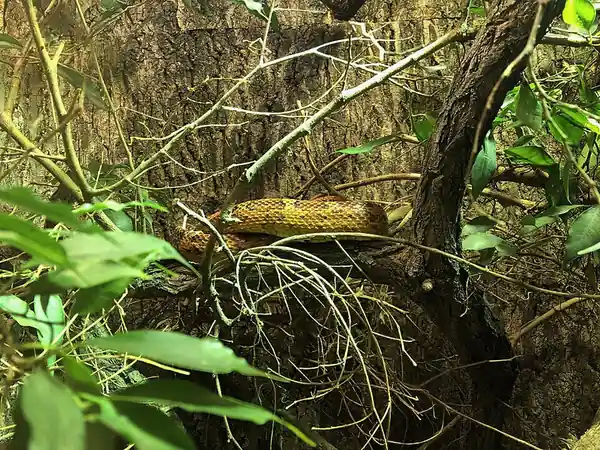
Close-up of a corn snake with reddish-brown and tan blotches draped over brown branches with green leaves
Next Story

Baby Corn Snake Found in UK Supermarket’s Bread Aisle as 2026 Reptile Surrenders Hit 21 — Up From 14

Latest from Science

Don't Miss

Cooling equipment beside a large data centre building

Spartanburg Data Center Water Demand: What the 1.6 Million-Gallon Estimate Means

NorthMark’s Spartanburg data-center project is projected to use