 Sonali Tiwary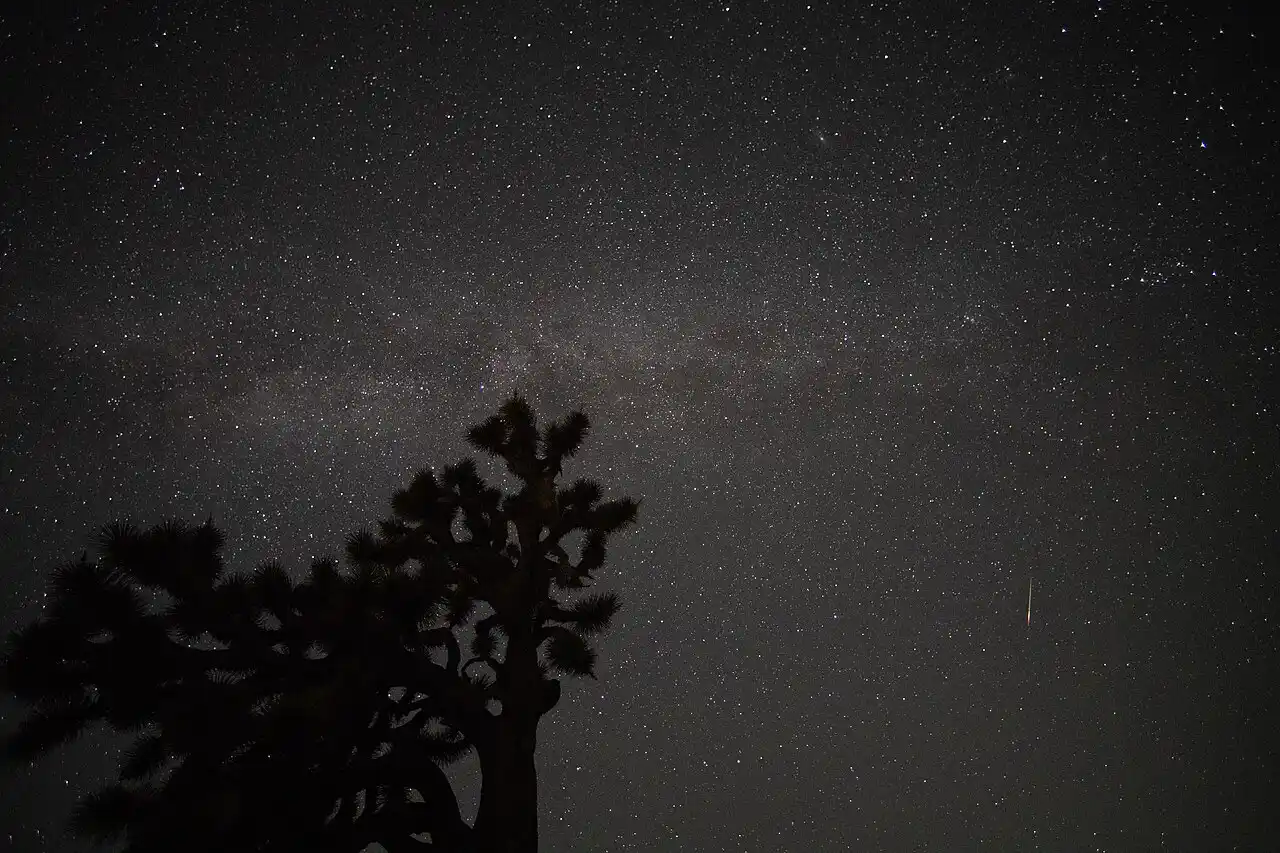
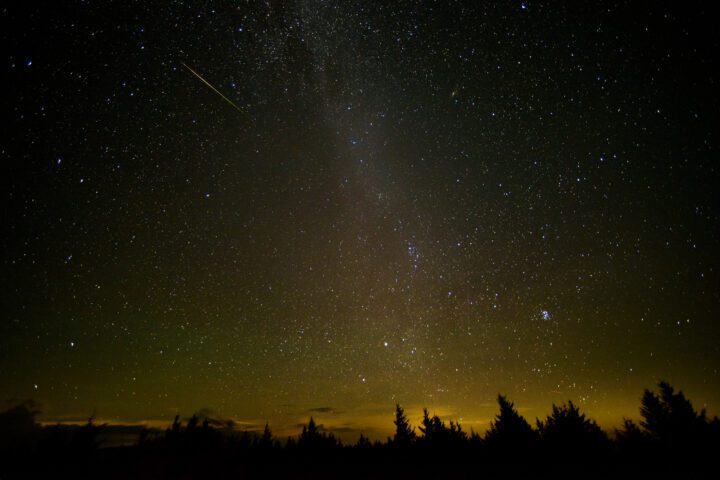
On the nights of July 29–31, 2026, two meteor showers reach their peak together. The Southern Delta Aquariids and the Alpha Capricornids overlap, giving skywatchers a chance to see streaks from two distinct sources.
The American Meteor Society outlook for the last week of July confirms that both showers are active. The Delta Aquariids, best seen from the Southern Hemisphere, can produce up to 20 meteors per hour under dark skies. The Alpha Capricornids are slower but known for bright fireballs. Their rate is lower—around 5 per hour—but the meteors often leave persistent trails.
This year, the moon is just past new, so its glare will not interfere. Observers in rural areas away from city lights have the best chance. NASA’s meteor page notes that no special equipment is needed. A reclining chair and a view of the southeastern sky after midnight will serve.
Robert Lunsford of the American Meteor Society explained that the Delta Aquariids come from debris left by Comet 96P/Machholz. The Alpha Capricornids originate from dust shed by Comet 169P/NEAT. The two radiants—points in the sky from which the meteors seem to emerge—lie in the constellations Aquarius and Capricornus.
Southern Hemisphere viewers get the highest Aquariid rates, but the Capricornid fireballs are visible from nearly everywhere. Even in suburban backyards, a patient watcher might spot a few per hour. Weather permitting, the show continues through early August with gradually declining numbers.
No special action is needed to enjoy the event. Dark adaptation—allowing eyes to adjust for 20–30 minutes without screens—improves the experience. The American Meteor Society encourages sharing observation reports online.
The double peak brought together a high-rate shower and a slow fireball producer, all under a dark sky.