Rahul Somvanshi
Delhi-NCR’s Graded Response Action Plan, or GRAP, is designed for worsening air-quality episodes. It is not a complete clean-air strategy—and official guidance describes it as an emergency response mechanism.
Each winter, the public sees the same visible measures: construction restrictions, limits on older vehicles, school measures, work-from-home advisories and, at the worst stages, wider curbs. These steps can reduce exposure and certain emissions during acute smog, but they arrive after pollution and weather have already combined to create a crisis.
What GRAP does
CAQM’s stage-based plan activates measures according to Delhi’s AQI and forecasts. Stage I begins in the “Poor” range; restrictions intensify through higher stages as pollution deteriorates. The design is practical: agencies need a common playbook for dust, vehicles, diesel generators, industry, construction and other sources when air quality worsens.
That makes GRAP necessary. It does not make it sufficient.
Why emergency curbs cannot carry the whole burden
Closing worksites or restricting travel during a severe episode can lower some emissions, but it also shifts costs onto workers, commuters, businesses and students. More importantly, it does not build the systems that prevent annual crises: reliable and affordable public transport, clean freight and last-mile delivery, effective inspection of industrial and construction emissions, cleaner household energy, waste management and coordinated action across the NCR and neighbouring states.
Winter meteorology traps pollution close to the ground. That makes regional reduction before the season—and steady enforcement throughout the year—more consequential than last-minute shutdowns alone.
What accountability should measure
The useful test is not whether a particular GRAP stage was announced. It is whether source-specific emissions fall over time, enforcement is visible, public transport capacity grows, construction dust norms are followed and pollution forecasts trigger action early enough to protect people.
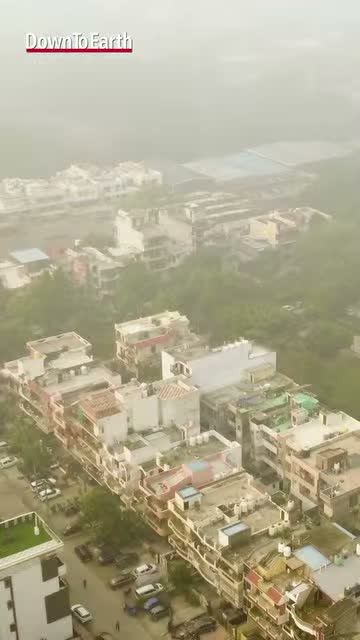
Delhi’s toxic air is a public-health emergency, particularly for children, older adults and people with heart or lung disease. GRAP remains an important protective tool. But treating emergency restrictions as the main solution risks normalising a cycle of avoidable winter disruption.
Sources: the Press Information Bureau’s CAQM explanation of GRAP; the CAQM GRAP schedule; and Down To Earth’s submitted Reel featuring Sunita Narain, used as a source lead.