 Tejal Somvanshi
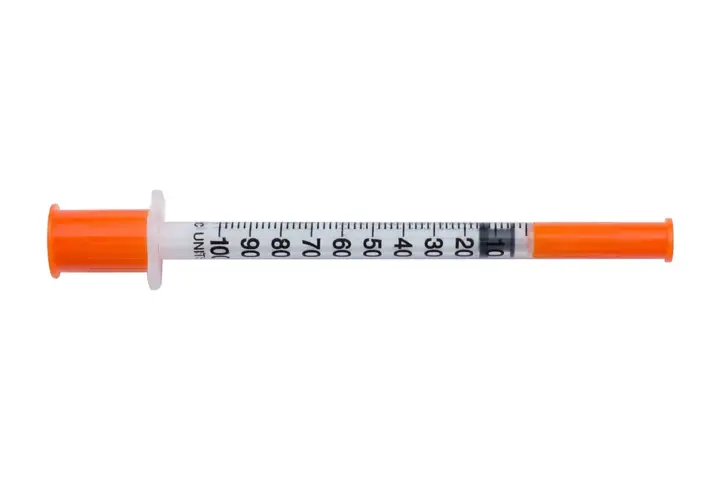
Imagine a single injection that cuts your cholesterol in half and keeps it that low for a year. That's what early testing of a new gene-editing treatment shows. But the jump from "works in early trials" to "approved cure" is far longer than headlines suggest.
The treatment is called CTX310. It works by editing a gene called ANGPTL3 inside your liver cells. This gene produces a protein that regulates how much cholesterol and triglycerides your body holds in the bloodstream. By turning down ANGPTL3 production, the therapy reduces cholesterol without requiring daily pills.
The results presented at the European Society of Cardiology Congress in August were impressive. At the highest doses tested, patients showed average reductions of 79 percent in ANGPTL3, 53 percent in LDL cholesterol, and 48 percent in triglycerides. Some patients saw reductions exceeding 80 percent. These changes persisted through one year of follow-up.
Here's what matters: this is Phase 1a data. Phase 1 trials are small studies in people with the target condition, designed primarily to test whether the treatment is safe enough to continue testing. They're not designed to prove a treatment works or lasts permanently. The 15 patients in this trial are far too few to make broad claims about long-term safety or durability.
Safety matters. Two serious adverse events occurred in the trial—including one death 179 days after treatment. The published results did not establish the death as a CTX310-related event, though the serious adverse events were documented. No "dose-limiting toxicities" directly attributed to the drug were found, but serious adverse events did occur. This matters for future safety monitoring.
The bigger issue is durability. Your liver constantly replaces its cells through natural processes. When CTX310 edits a gene in an existing liver cell, it changes that cell's DNA. When an edited hepatocyte divides through mitosis, it passes the edited gene sequence to both daughter cells. This means edited liver tissue retains the modification. However, potential dilution of the effect over decades would depend on whether unedited cells develop selective advantages or whether the treated hepatocyte population is gradually replaced by new cells from stem/progenitor populations.
One year of durability is genuinely impressive. But it doesn't prove permanence. Patients might need repeat treatments every few years. They might need ongoing monitoring to catch declining effectiveness. Whether the therapy triggers immune responses against edited cells remains unknown. Whether it causes unintended edits in other genes requires long-term study.
The next step is a Phase 1b trial, expected later in 2026, focusing on people with severe high triglycerides. Only after successful Phase 2 trials demonstrating safety in larger populations would Phase 3 trials compare CTX310 against standard cholesterol treatments. Only after that might regulatory approval follow.
The drug could become genuinely transformative for people with severe cholesterol disorders who don't respond to statins. But transformative future treatments are different from established treatments available now. The responsible way to discuss CTX310 is to say early data shows promise—genuine, notable promise. But "one injection cures cholesterol forever" remains speculation. The science supports "shows impressive one-year reductions in early testing." That's different, more modest, and more honest.