
Casey Means Faces Senate: Vaccines, Pesticides and Conflicts Questioned in Surgeon General Bid
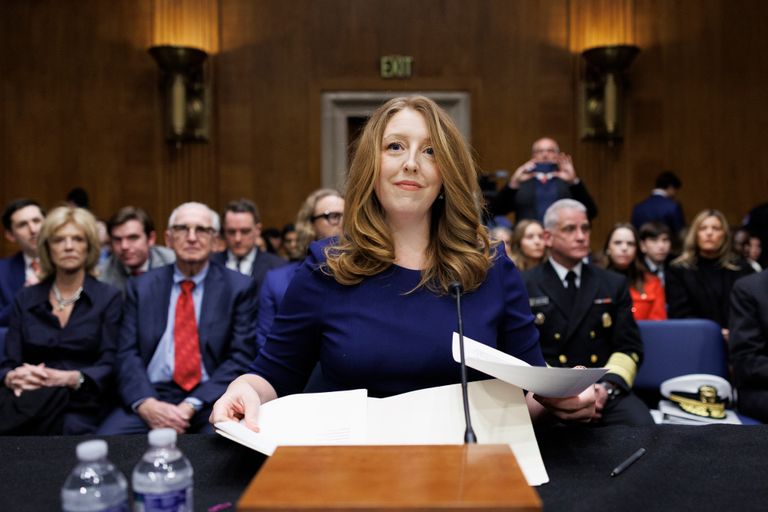
On February 25, 2026, Dr. Casey Means, a Stanford‑trained doctor and wellness entrepreneur linked to the Make America Healthy Again agenda, answered Senate HELP Committee questions on vaccines, chronic disease, pesticides and ethics during her U.S. Surgeon General confirmation hearing.
Tap a Topic from the Hearing to See What Was Said
Vaccines: Support Stated, Details Left to “Shared Decision‑Making”
Senators from both parties asked Means about vaccines, including the childhood schedule, influenza shots and a possible vaccine–autism link. In exchanges with Sen. Tim Kaine, she said she believes “vaccines save lives” and called them “a key part of any infectious‑disease public health strategy,” but did not give a simple “yes” when asked whether flu vaccination reduces hospitalization and death in children.
On autism, she said she accepts evidence that vaccines do not cause autism but repeated that “science is never settled” and said she wants further study as autism diagnoses rise. By contrast, the American Medical Association and the American Academy of Pediatrics state that decades of studies have not found a causal link between vaccines and autism.
- A CDC analysis of the 2024–25 flu season found that among 208 pediatric decedents with known vaccination status who were eligible, 89% had not been fully vaccinated against influenza (MMWR 2024–25 pediatric flu deaths report).
- CDC continues to recommend annual flu vaccination for everyone aged 6 months and older without contraindications.
“I believe vaccines save lives. I believe that vaccines are a key part of every public — of any infectious disease public health strategy.”— Dr. Casey Means, Senate HELP hearing, February 25, 2026
“I think it is an important vaccine, a lifesaving vaccine. I also think that parents’ autonomy needs to be respected.”— Dr. Means referring to the hepatitis B vaccine at the hearing
Glyphosate and Pesticides: Health Concerns and a National‑Security Framing
Senators asked Means about pesticides after Trump signed an executive order to protect access to glyphosate, the active ingredient in Roundup. She said she has “significant concerns” about chemicals used in agriculture, naming glyphosate as one of them, and said farmers are in a difficult position because pesticide use cannot be removed from the food system overnight.
In a 2024 case in Pennsylvania, a jury ordered Bayer, the maker of Roundup, to pay $2.25 billion to a man who alleged long‑term glyphosate exposure caused his non‑Hodgkin lymphoma, according to court filings referenced in public reporting. The U.S. Environmental Protection Agency maintains an ingredients page for glyphosate as a registered herbicide (EPA glyphosate overview). At the hearing, Means described the executive order as focused on domestic supply and national security, not on changing the health risk assessment.
For broader pesticide context, KarmActive has covered regulatory debates such as legal challenges to pesticide‑coated seed exemptions (Environmentalists Sue EPA Over Pesticide‑Coated Seeds).
“I am not in any way backing away from this issue. It is a core passion of my life. We must study these chemicals to understand their effect.”— Dr. Means, responding to questions on glyphosate and pesticides
- The U.S. EPA registers and evaluates pesticides such as glyphosate under federal law.
- The Surgeon General can commission reports on health effects but does not approve or ban pesticides.
Birth Control and Mifepristone: Access Supported, Risks Emphasised
Senators raised Means’ past comments describing hormonal birth control as having “horrifying” risks and being used “like candy.” At the hearing, she said oral contraceptive pills and the abortion medication mifepristone should be “widely accessible,” and said her concern is that some women do not receive detailed counselling on side‑effect risks such as blood clots and stroke, particularly when other risk factors like smoking are present.
She told senators that whether mifepristone prescriptions should require an in‑person visit is outside the Surgeon General’s authority, noting that the U.S. Food and Drug Administration sets prescribing conditions. She repeated that every patient should have a thorough conversation with a clinician before taking any medication, including contraceptives and abortion medications.
“I absolutely think that oral contraception should be widely accessible… All medications have risks and benefits, and in our current medical climate with the burden on doctors, doctors do not have enough time for a thorough and informed consent conversation.”— Dr. Means, Senate HELP hearing
Medical License: Inactive Status and Leadership of the Corps
Means completed most of her surgical residency but left the program in 2018 and allowed her Oregon medical license to move to “inactive” status in 2024. She confirmed in the hearing that she cannot currently write prescriptions and said she does not plan to reactivate the license because she would not be seeing patients as Surgeon General.
U.S. law does not require the Surgeon General to hold an active medical license, but the U.S. Public Health Service Commissioned Corps, which the Surgeon General leads, requires its officers who are clinicians to keep active, unrestricted licenses. Senators questioned how she would supervise officers held to active‑license standards when she is not bound by the same requirement. She responded that senior officers and the HHS ethics office have confirmed she is eligible to serve.
“My professional history is a feature. It’s not a bug.”— Dr. Means on her non‑traditional career path and inactive license
- An active license is required to treat patients or prescribe medications.
- The Surgeon General role is primarily advisory and leadership‑focused, not a direct patient‑care post.
Conflicts of Interest: Ethics Agreement vs. Past Promotions
Sen. Chris Murphy cited records of sponsored posts and paid partnerships and accused Means of failing to disclose some commercial relationships when promoting products such as supplements and food subscriptions. Means said the documentation was “incorrect” and called it a false representation, stating that she has worked with government ethics lawyers and signed an ethics agreement to divest and recuse where required.
Sen. Tammy Baldwin asked about Means’ acceptance of $10,000 from Genova Diagnostics for a video that appeared online in October 2025, months after her nomination was announced. Genova agreed in 2020 to pay up to $43 million to resolve government allegations of medically unnecessary laboratory tests billed to federal programs, according to the U.S. Department of Justice (DOJ press release). Means told senators she was not familiar with that settlement and focused her comments on one nutrient‑testing product she considered useful.
Her formal ethics commitments are described in a September 10, 2025 ethics agreement filed with the U.S. Office of Government Ethics .
“I have always been transparent about when I was paid to endorse a product.”— Dr. Means when asked about sponsorship disclosures
- Ethics agreement: filed with the Office of Government Ethics .
- DOJ settlement: laboratory testing case described in DOJ press release on Genova Diagnostics .
How Hearing Statements Compare with Medical and Regulatory Positions
Key Moments from the February 25, 2026 Hearing
What the Surgeon General Role Covers in Cases Like This
What the Surgeon General can do
- Lead the U.S. Public Health Service Commissioned Corps of about 6,000 officers.
- Issue Surgeon General’s reports and advisories on topics such as tobacco, alcohol, mental health and environmental exposures.
- Communicate guidance on vaccines, chronic disease prevention and other public‑health priorities.
- Recommend research or coordinated action on topics like glyphosate, nutrition and chronic disease trends.
What the Surgeon General cannot do
- Ban or approve pesticides such as glyphosate (EPA regulates pesticides).
- Authorize or withdraw drug approvals or set prescribing rules for mifepristone (FDA authority).
- Unilaterally set or change the CDC childhood vaccine schedule.
- Alter Medicaid or Medicare coverage rules (Centers for Medicare & Medicaid Services).
- Provide patient care or write prescriptions without an active medical license.
Key Financial and Professional Relationships Discussed
Coverage Recap
The Senate HELP Committee held a confirmation hearing on February 25, 2026 for Dr. Casey Means, a Stanford‑trained physician and health‑tech entrepreneur nominated to serve as U.S. Surgeon General. The hearing record describes questions about her support for the current vaccine schedule, her public comments on autism and flu shots, concerns about glyphosate and other pesticides, her inactive medical license, her positions on hormonal contraception and mifepristone, and her past financial relationships with companies such as Genova Diagnostics and Levels Health. The Committee has not yet recorded a final vote on her nomination, and official documents remain available through the Senate HELP website, the Office of Government Ethics, the Department of Justice, the CDC and other federal health agencies.