 Govind Tekale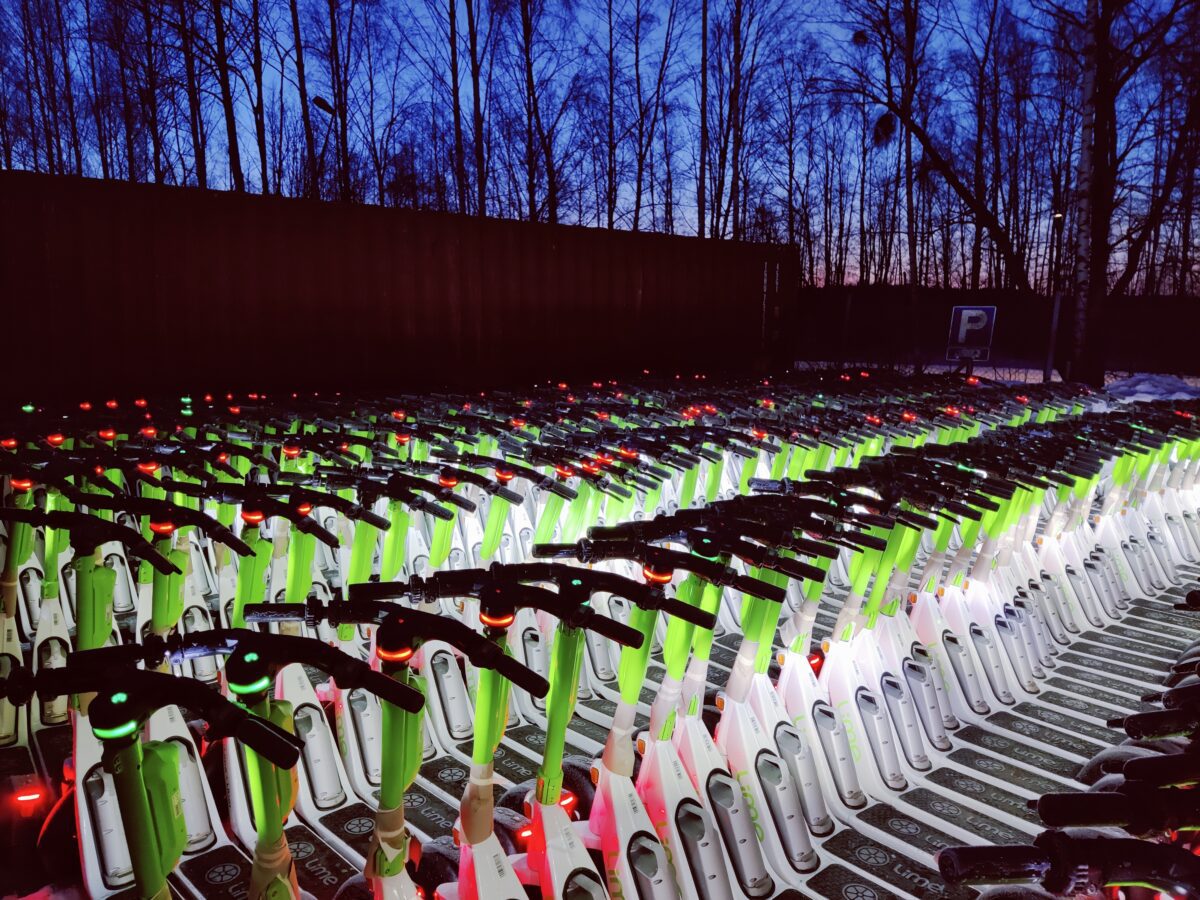
Brussels’ shared e-scooter and bike-sharing services face sudden shutdown after the country’s highest court ruled the licenses were granted illegally. The decision affects three major operators—Bolt, Dott, and Voi—who must clear their vehicles from Brussels streets by September 1st.
The ruling stems from what might sound like a technical detail but carries real consequences. In 2023, the Brussels government awarded licenses using a process that violated Belgian law about how administrative decisions must be justified and documented. When Lime, which had been excluded from that tender, challenged the licensing, the court agreed the entire process was flawed.
At first glance, this seems like bureaucratic overreach. Bolt’s spokesperson Guillaume Burland called it a case of “formal legality” rather than service quality, noting that removing thousands of vehicles in days isn’t practical. But the ruling actually accelerates what Brussels was already planning. The government intended to ban e-scooters entirely by January 2027 anyway—this court decision just moves that timeline forward by four months.
The timing has deeper context. Last year, Brussels recorded 666 injuries from e-scooter accidents—a 26 percent jump from the previous year. More troubling, the city’s public prosecutor reported 25 shootings linked to e-scooters in 2025, connected to organized crime disputes over territory. Beyond safety concerns, the machines create practical problems. Mobility Minister Elke Van den Brandt pointed out that people with disabilities, parents with strollers, and elderly residents struggle to navigate pavements cluttered with parked scooters.
The numbers show how embedded these services had become. In 2025, Brussels residents took 14.5 million trips on shared e-scooters and bikes, with 1.3 million active users. About 15,700 vehicles—9,200 e-scooters plus 6,500 bikes—operated across the region in March 2025. That market generated over €30 million in annual turnover.
The shutdown will affect workers too. The ABVV-Metaal union emphasized that “behind every shared step and bike are mechanics, drivers, warehouse staff and logistics teams” facing job losses. Some workers have already taken notice. Dott, one of the affected operators, saw employees and supporters launch a petition that gathered 1,595 signatures—pushing past the 1,000 threshold that would require parliamentary debate.
One operator, Bolt, had invested in the latest technology. In April, they deployed 1,200 new scooters called Bolt7, equipped with artificial intelligence to detect sidewalk use and prevent rides on pedestrian areas. That innovation won’t matter now.
The ruling doesn’t affect Villo!, Brussels’ traditional bike-sharing system with fixed docking stations. That government-backed service, operated by JC Decaux, keeps running with its concession extended through September 2028. Authorities plan to meet with remaining operators in mid-August to discuss the transition.