Karmactive Team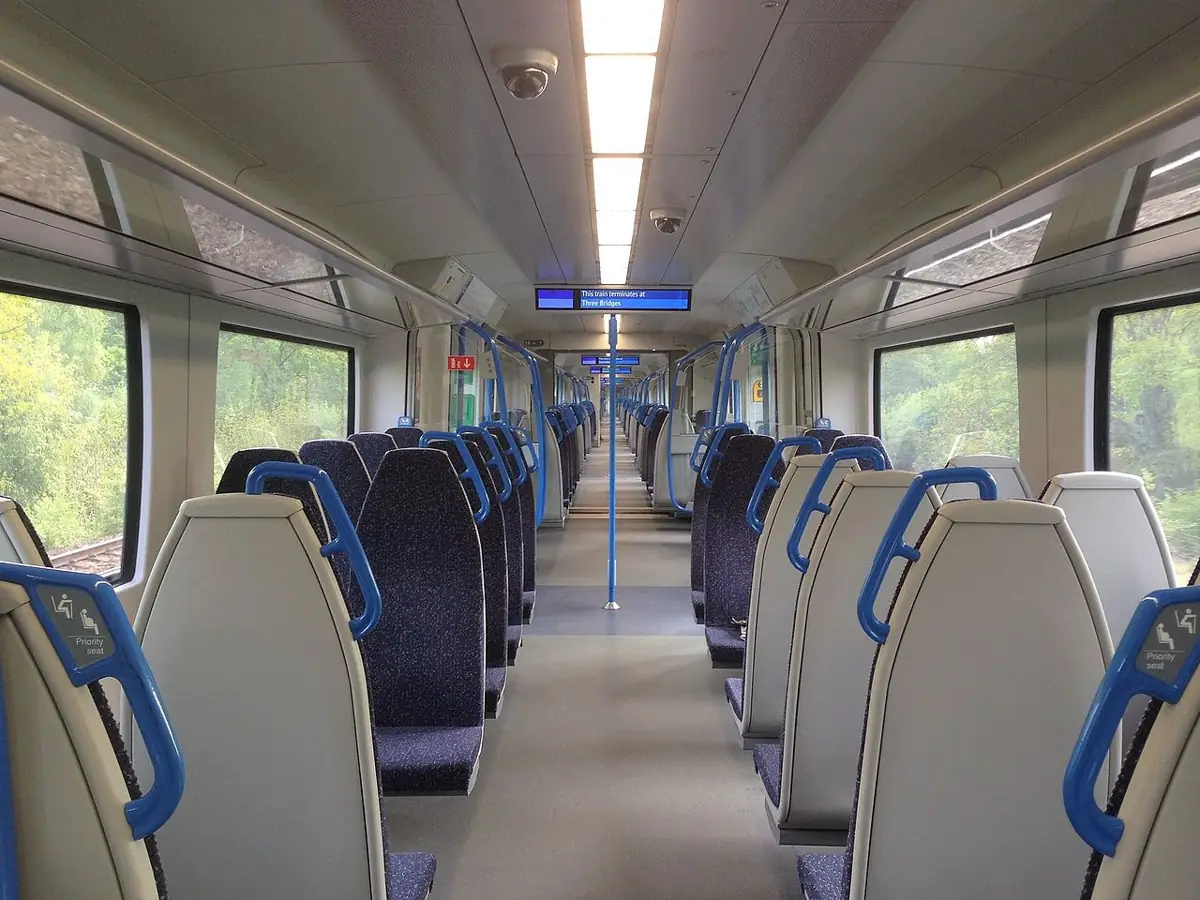
Estimated reading time: 2 minutes
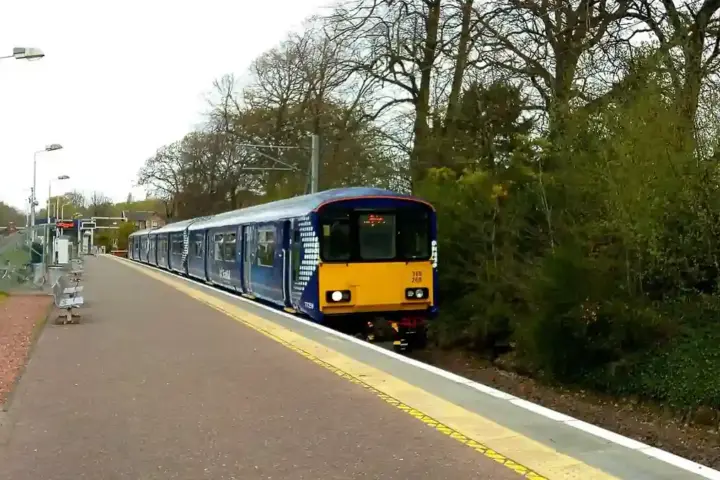
Commuters on the Bedford-Three Bridges train line are experiencing significant overcrowding at levels railway safety experts describe as concerning. A monitored morning Thameslink service reached 176 percent occupancy, forcing passengers to stand in aisles, between cars, and in spaces not designed for occupancy.
This isn’t merely uncomfortable—it raises serious safety questions about emergency evacuation procedures. With more people aboard than seats and standing room, how would passengers safely exit in case of emergency?
The Bedford-Three Bridges line connects bedroom communities in the southeast with London’s commuter belt. Population growth in both areas has dramatically increased demand for rail service. Meanwhile, train frequency and capacity have not kept pace with ridership growth.
Adding to the problem, several parallel rail lines have faced service disruptions due to maintenance and infrastructure upgrades. Commuters who normally use alternative routes have shifted to the Bedford-Three Bridges line, further overwhelming an already-strained system.
Long-term passengers report worsening conditions. Morning and evening rush hours now see trains so crowded that doors struggle to close. Elderly passengers, pregnant women, and people with mobility issues face particular challenges boarding and remaining safely on board.
Commuters describe high stress levels, anxiety about personal safety in crowded conditions, and frustration with service reliability. Some are reconsidering their housing locations or job choices specifically to avoid the problematic commute.
Thameslink (Govia Thameslink Railway), which operates the service, acknowledges the overcrowding while citing budget constraints on expanding capacity. The company has increased train frequency on the route, but existing vehicles only provide marginal improvements.
The operator notes that substantial capacity increases require new trains—a process involving years of procurement, manufacturing, and testing. Investment decisions made years ago didn’t anticipate current demand levels.
Local officials and commuter advocacy groups are pressuring the government to prioritize the route for investment. They argue that infrastructure serving commuter populations should be maintained at safe capacity levels.
Transport unions have also weighed in, noting that crowding creates workplace stress for train staff and raises concerns about passenger safety. They’re calling for urgent investment in service expansion.
Department for Transport officials have indicated that the route is under review for modernization funding. Potential solutions include new trains with higher capacity, increased service frequency, and station improvements to better manage passenger flows.
However, implementation timelines remain uncertain. In the interim, commuters continue experiencing the challenging conditions that have defined the route for months.