 Krutika Surana
King Island Tasmania Gets A 200KW Wave-Powered Clean Energy Generator
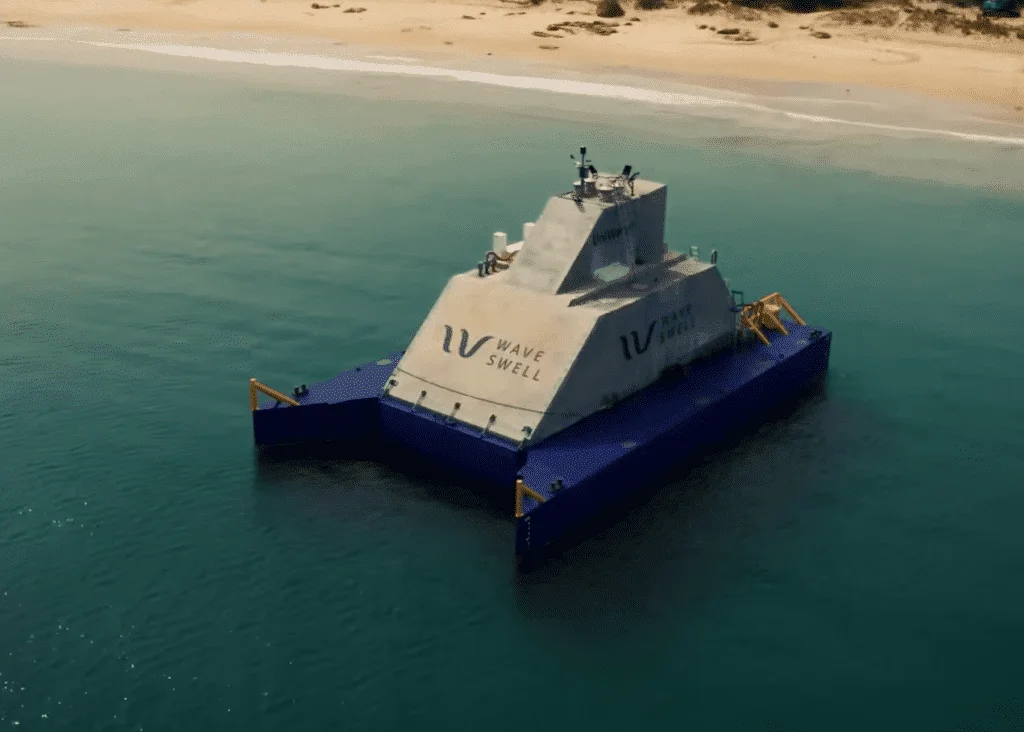
King Island, Tasmania, has become a global model for renewable energy integration with the installation of a 200-kilowatt wave-powered clean energy generator developed by Oceanlinx. The innovative system, deployed in August 2022, demonstrates how ocean energy can power remote communities sustainably without fossil fuel dependence.
Project King Island Renewable Energy
King Island’s grid previously relied on diesel generators, producing 3,000 tons of CO2 annually. Since the wave energy project’s commissioning, the island has achieved 90% renewable energy penetration. The Oceanlinx generator uses oscillating water column technology to convert wave motion into compressed air, which drives a turbine-generator assembly. The University of Tasmania’s Australian Maritime College provided engineering oversight and performance monitoring data.
Technology and Innovation
The Oceanlinx system employs a patented oscillating water column design that has been tested since 2010 at the Australian Renewable Energy Agency’s test facility in Port MacDonnell. The 200-kilowatt unit can generate 600,000 kilowatt-hours annually, enough to power 100 homes. The project received $4.5 million in funding from ARENA’s Emerging Energy Program.
Grid Integration Challenges
Wave energy presents unique grid integration challenges due to the intermittent and variable nature of ocean waves. The King Island grid, managed by Hydro Tasmania, uses a battery storage system and smart grid controls to balance supply and demand. A 2021 study by the Commonwealth Scientific and Industrial Research Organisation confirmed that the hybrid renewable system maintained 99.9% reliability over 24 months.
Global Replication Potential
The King Island project serves as a blueprint for other remote island communities worldwide. The International Renewable Energy Agency estimates that 4.2 gigawatts of marine energy capacity could be deployed globally by 2030, potentially powering 15,000 homes and reducing diesel dependence in coastal regions across the Pacific and Indian Oceans.
Future Developments
Oceanlinx CEO Mark Davies announced plans for a 1-megawatt demonstration array in 2024, following optimization data from the King Island deployment. The company has partnered with the University of Sydney’s School of Civil Engineering to refine the turbine design for higher efficiency in varying wave conditions.
Renewable energy innovations: Australia’s clean energy startup grants and India’s solar supply agreements.