 Krutika Surana
Recycled Plastic Swimwear: When Fashion Meets Environmental Responsibility
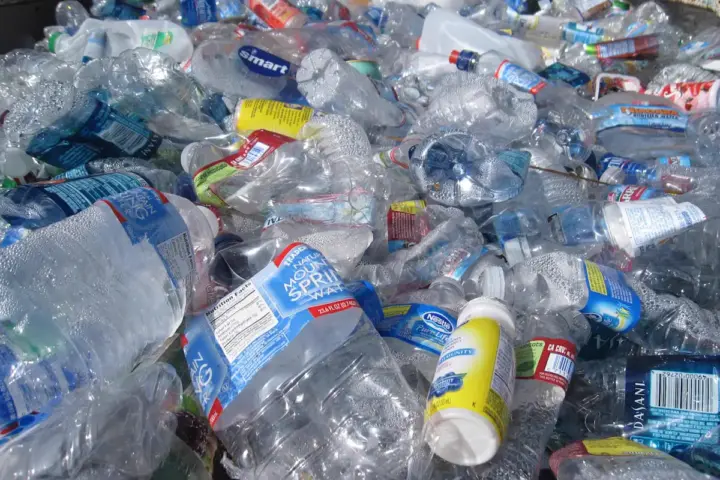
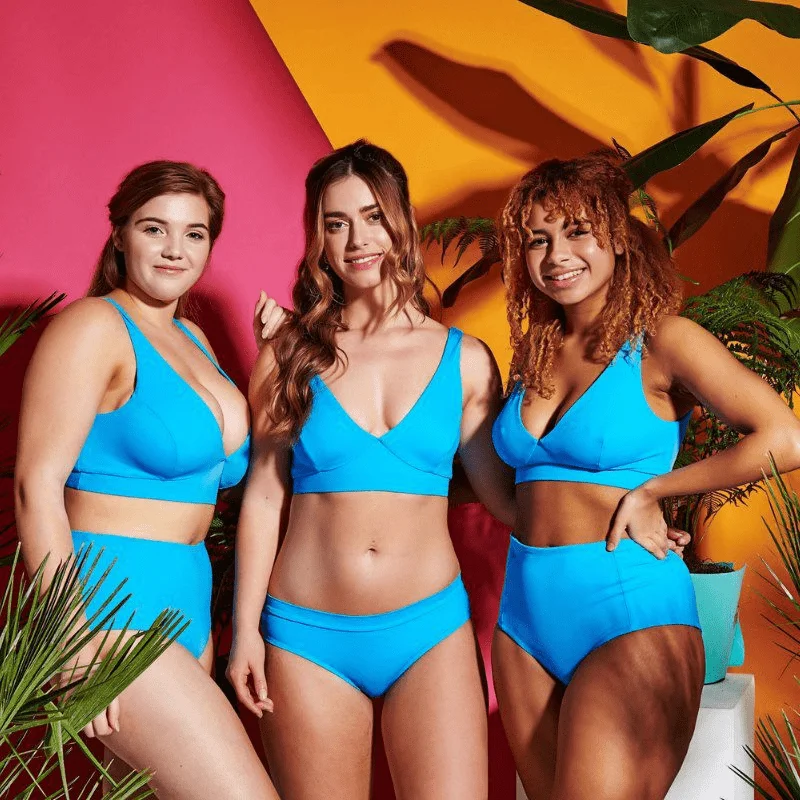
Dutch designer Marlies Dekkers, in collaboration with sustainable fashion brand Deakin & Blue, has launched a revolutionary swimwear line crafted entirely from recycled plastic bottles. Each bikini set transforms approximately 12 post-consumer plastic bottles into high-performance swim fabric, demonstrating how circular economy principles can reshape the fashion industry’s relationship with environmental sustainability. The collection represents years of research into eco-friendly textile alternatives and innovative manufacturing processes.
The Innovation Behind the Collection
The swimwear utilizes ECONYL yarn, a regenerated nylon fiber created from discarded ocean plastics and fishing nets collected through partnerships with coastal cleanup organizations in Southeast Asia. The manufacturing process, developed by Aquafil S.p.A., involves collecting plastic waste through river cleanup initiatives and then chemically recycling the material back into premium nylon fiber suitable for swimwear production. This closed-loop system prevents approximately 8,000 tons of plastic waste from entering marine ecosystems annually.
Ocean plastic pollution solutions require systemic change that connects fashion brands, waste management systems, and consumer behavior—a model this collaboration exemplifies. The partnership extends beyond production to include education programs that raise awareness about marine plastic pollution among consumers and industry stakeholders throughout the supply chain.
Environmental Impact Measurement
Lifecycle assessment analyses conducted by the University of Cambridge’s Institute for Sustainability Leadership found that garments made from recycled ocean plastic generate 73% fewer CO2 emissions compared to conventional nylon production. The study, published in the Journal of Cleaner Production, also noted an 89% reduction in water consumption and a 91% decrease in energy usage during the manufacturing phase. These metrics demonstrate that material substitution alone can drive significant environmental benefits when scaled across the industry.
Sustainable fashion research from MIT and other institutions consistently shows that consumer demand drives industry innovation, with 67% of millennials willing to pay premium prices for environmentally responsible clothing according to a 2022 Nielsen survey. This demographic shift has prompted major fashion houses to commit to using recycled materials by 2025, with projected market growth reaching $12.8 billion by 2027.
Industry Adoption and Future Outlook
Fashion houses from Prada to Patagonia have committed to incorporating recycled materials into their collections by 2025. These initiatives represent a critical shift toward circular design principles that eliminate waste and regenerate natural systems. Experts project that widespread adoption of recycled materials could prevent 29 million tons of plastic waste annually if implemented globally across the fashion industry, demonstrating the potential for collaborative action to address environmental challenges at scale through innovative business models.