 Rahul Somvanshi
If you live, work, or plan to build in Cambridgeshire and Peterborough, water is now part of the planning conversation. The Cambridgeshire water resilience plan covers 2026 to 2031 and sets out how the region will handle both shortages and floods. The region faces too little and too much water at once.
Water Resources East prepared the plan for the Combined Authority, building on a Mayoral water resilience roundtable held on 1 October. More than 20 organisations were involved. The Combined Authority Board approved the plan on 25 November. It covers five years, from 2026 to 2031, and a draft is available as a PDF on the Combined Authority website.
The plan describes two pressures in the region. Water scarcity is constraining growth, while wastewater systems need investment.
Wastewater is used water from homes and businesses, which must be cleaned before it returns to rivers or the sea. Nearly 40 percent of Cambridgeshire and Peterborough’s area is at risk of flooding from rivers and the sea, according to the Combined Authority’s figures.
The plan sets out to embed water resilience in planning for future homes, businesses and infrastructure. Water resilience means keeping supplies flowing during dry spells and keeping homes safer when rivers rise.
What the Cambridgeshire and Peterborough Water Resilience Plan Covers
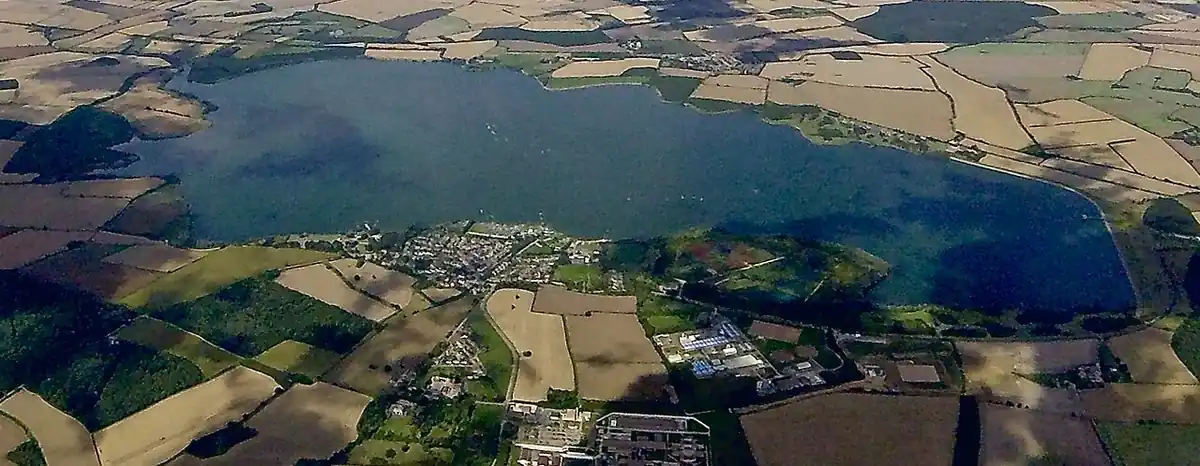
The five-year actions put major water infrastructure first. The plan supports the proposed Fens Reservoir, which would store water in the Fens, a flat, low-lying area of eastern England. It also supports the Grafham Water to Cambridge transfer, which would carry water from the existing Grafham Water reservoir to Cambridge, and wastewater treatment upgrades.
Beyond these projects, the plan explores funding opportunities to help communities and businesses improve water efficiency and resilience to drought and flooding. Water efficiency means using less water in homes and businesses. Drought resilience means keeping supplies steady during long dry spells.
The plan also encourages water saving and reuse, alongside efforts to reduce leakage. Leakage reduction means fixing pipes so less water escapes before it reaches a tap. It further aims to strengthen emergency preparedness, develop water management skills and encourage innovation.
Flood risk forms the other half of the challenge. Nearly 40 percent of the area is at risk from rivers and the sea, so flood resilience sits alongside drought planning in the same document.
Delivery will involve water companies, local authorities, the Environment Agency, internal drainage boards, government and other partners. The plan supports delivery of the region’s Local Growth Plan.
Paul Bristow, Mayor of Cambridgeshire and Peterborough, said the region needs the infrastructure to grow. “Water is fundamental to our future. We want to Get Cambridgeshire and Peterborough growing, creating better jobs and more opportunities for local people.” The Combined Authority presents the plan as a way to support good growth across the two areas.
The Cambridgeshire and Peterborough Water Resilience Plan covers 2026–2031. Its major projects include the Fens Reservoir, the Grafham Water to Cambridge transfer and wastewater treatment upgrades. Its other actions cover water saving, reuse, leakage reduction and emergency preparedness. The plan links housing and business growth to water supply and flood protection.