 Sonali Tiwary
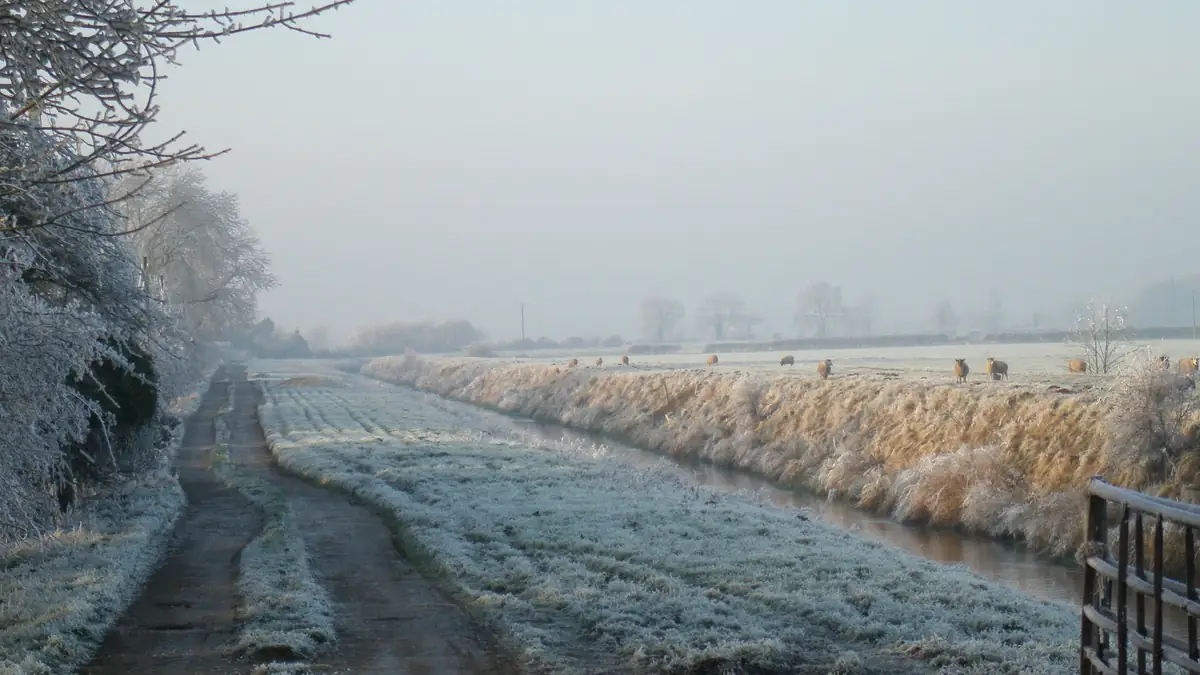
Sub-zero temperatures are gripping large parts of Britain, and the cold is not retreating yet. The UK cold weather alert extended by authorities this week means the freeze will hold through Tuesday morning across the North East, North West, and Yorkshire and the Humber in England. For the most vulnerable residents, the dangers reach indoors as well.
The UK Health Security Agency and the Met Office have jointly extended yellow cold-health alerts until 09:00 GMT on Tuesday 24 November 2026. The coldest recorded temperature during this freeze was -10.6 C at Tulloch Bridge. The alert zone covers the North East, North West, and Yorkshire and the Humber in England. Health officials have specifically flagged elevated risks for people aged 65 and over and for anyone living with chronic respiratory conditions such as asthma or chronic obstructive pulmonary disease. These groups face greater danger both outdoors and in insufficiently heated homes. The extended alert asks health and social care providers across the affected regions to prepare for increased demand on services.
With sub-zero temperatures locked in through Tuesday morning, households across northern England face prolonged road ice, rail cancellations and surging heating expenses. Cold conditions increase health risks for vulnerable people; follow UKHSA advice on keeping warm. Check your local postcode against the DWP Cold Weather Payment portal: consecutive days below freezing at regional Met Office stations may entitle qualifying households to an immediate 25 pound energy subsidy.
Arctic Airmass and NHS Winter Protocols
The result is temperatures more consistent with late January than late November. Climate scientists have linked increasing disruptions to the jet stream with warming in the Arctic, though forecasters are careful to separate any single weather event from long-term patterns. For now, the immediate effect is a prolonged freeze affecting millions. The UKHSA has upgraded its advisory to an operational yellow alert. It is an operational alert for health and care services. It alerts health and care services to prepare for possible increased demand. The strain on the health system during cold snaps is well-documented. For further context on how cold and wet conditions are affecting British infrastructure, see recent UK frost and water storage coverage. The country’s shift toward cleaner energy sources explored in UK renewable energy auction policy may eventually reduce the carbon cost of heating surges like this one.
Public attention during cold snaps tends to fix on travel disruption and snow images. UKHSA data points to a different and quieter danger: indoor hypothermia in poorly insulated homes.
The UK Health Security Agency’s yellow cold-health alert has been extended until 09:00 GMT on Tuesday 24 November 2026. Covering the North East, North West, and Yorkshire and the Humber in England, the alert warns of minor impacts on health and social care services and greater risk to vulnerable people, including those aged 65 and over and those with pre-existing conditions.
If you have an elderly or vulnerable neighbour, check on them today. The cold outside is visible. The cold inside is not.