 Govind Tekale
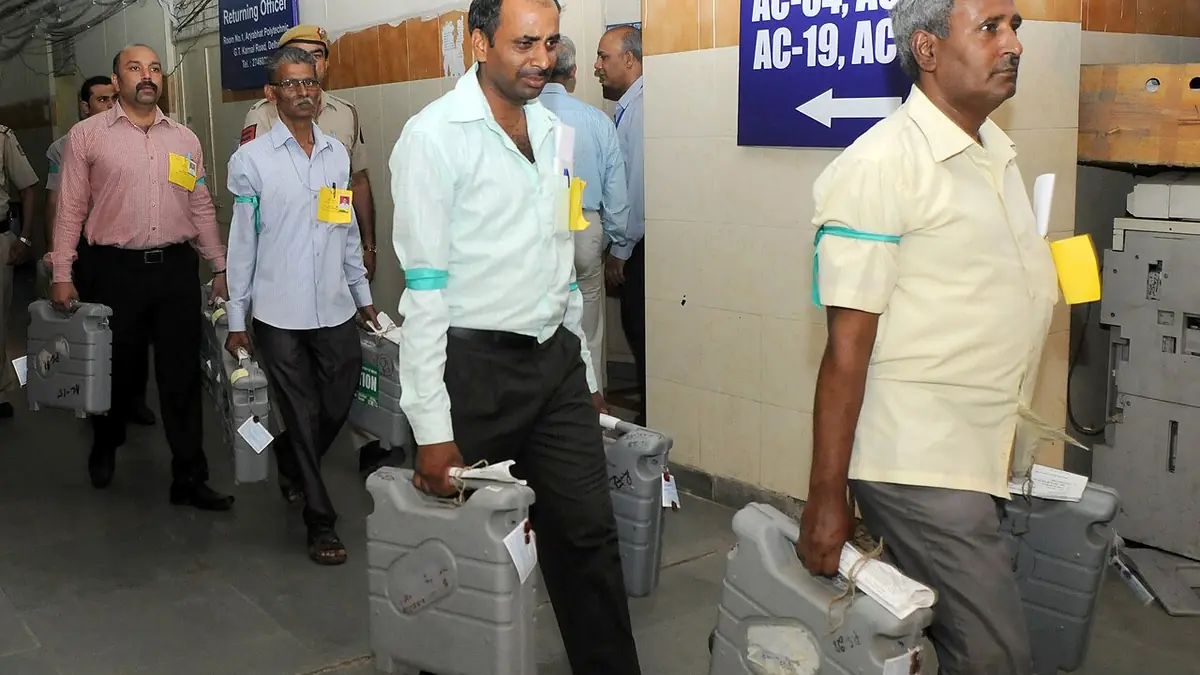
Rural voters in most of Rajasthan have new local representatives now, while four districts must wait another month. The State Election Commission moved vote counting for Zila Parishad and Panchayat Samiti seats in Kota, Baran, Karauli and Sri Ganganagar to December 17, while counting went ahead in the other 37 districts on November 20.
The delay is administrative rather than disputed. The five-year terms of the sitting boards in those four districts run out in mid-December, so the commission rescheduled their counting to line up with the handover instead of holding it on the original date.
Where the results stand
Congress has built a wide lead where results have been declared. It won 2,463 Panchayat Samiti seats and 66 Zila Parishad seats, according to State Election Commission figures reported by The Hindu.
The ruling BJP has won 1,512 of the 4,958 Panchayat Samiti seats declared so far and 25 of the 97 Zila Parishad seats counted. The Rashtriya Loktantrik Party took 354 Panchayat Samiti seats, the Bharat Adivasi Party 168, the CPI(M) 43, the BSP 36 and the AAP two, with Independents securing 380. Among Zila Parishad seats counted, the CPI(M) won three, the RLP two and an Independent one.
The scale explains why counts take days. Counting covers 7,543 Panchayat Samiti seats and 1,275 Zila Parishad seats across the state. According to the SEC, 4,069 candidates contested the 1,275 Zila Parishad wards and 25,108 contested the 7,543 Panchayat Samiti wards spread over 419 panchayat samitis in 37 districts.
In the four deferred districts, 128 Zila Parishad wards and 702 Panchayat Samiti wards are spread across 38 panchayat samitis. Counting there begins at 8 a.m. on December 17 at district headquarters. The commission then plans elections for zila pramukh and up-zila pramukh on December 22 and 23, followed by polls for pradhan and up-pradhan across those panchayat samitis on December 24 and 25.
The original schedule, announced on October 3, had set counting for November 20 but excluded those top posts because the incumbents’ terms were due to end in December.
For residents, these bodies handle a visible share of rural spending, so the seat count decides who controls local development work. Karmactive had covered the build-up to the polls, including the four-phase schedule and model code restrictions, and the wider question of how rural housing scheme lists are challenged when names go missing.