 Tejal Somvanshi
If you have primary membranous nephropathy, your condition had no FDA-approved treatment made for it. Doctors used drugs cleared for other diseases, without PMN-specific trial data. That changed on November 13, 2026, when the FDA approved a drug tested and built specifically for this kidney disease.
The US FDA approved obinutuzumab, sold as Gazyva, for primary membranous nephropathy on November 13, 2026. The approval covers adults with primary membranous nephropathy (PMN) who are at risk of disease progression. The drug targets proteinuria — the leaking of protein through damaged kidneys — to bring the kidneys into remission. Gazyva is a type II anti-CD20 monoclonal antibody, meaning it identifies and disables B cells — immune cells that drive kidney damage in PMN. This makes Gazyva the first drug ever FDA-approved specifically for PMN. The FDA also granted it Breakthrough Therapy, Orphan Drug, and Priority Review designations.
For adults with PMN, this changes treatment options in a concrete way. Before this approval, nephrologists relied on immunosuppressants approved for other conditions, not for PMN itself. There is now a drug the FDA has evaluated specifically for this disease. If you have PMN and are at risk of progression, ask your nephrologist at your next appointment whether Gazyva is appropriate for you.
Why Gazyva’s Approval Is a First for Primary Membranous Nephropathy
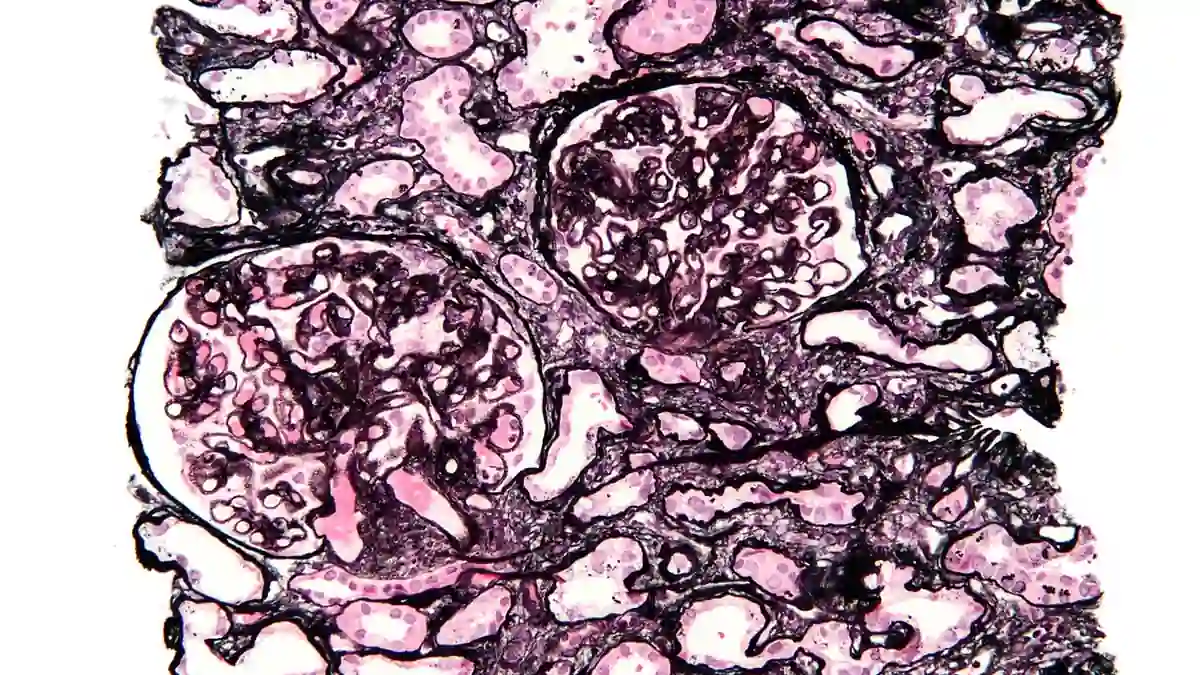
Primary membranous nephropathy is a rare kidney disease with an estimated incidence of 1.2 per 100,000 people in the US each year. That is roughly 4,000 new cases annually. The immune system attacks the kidney’s filtering membranes, causing them to leak protein into the urine. That protein loss — called proteinuria — can lead to kidney failure over time. PMN is one of the leading causes of nephrotic syndrome in adults, a condition marked by heavy protein loss, swelling, and elevated clotting risk.
Until this approval, no drug carried FDA clearance for PMN. Nephrologists used off-label immunosuppressants — drugs approved for other conditions, such as tacrolimus, cleared for organ-transplant rejection but not for PMN. Gazyva works by binding to CD20, a protein on the surface of B cells. That binding marks the B cells for destruction by the immune system. In PMN, those B cells produce the autoantibodies attacking the kidney’s filtering layer. Disabling them gives proteinuria a path down and the kidneys a chance to recover.
Phase 3 MAJESTY Trial: 37% Complete Remission vs. 6% With Tacrolimus
The FDA approval was supported by the Phase 3 MAJESTY trial — a direct comparison of obinutuzumab against tacrolimus. Complete remission means proteinuria falls to near-normal levels. It is the clearest sign that kidney damage has stabilized.
At week 104 — two full years into treatment — 37% of patients on obinutuzumab achieved complete remission. That was 26 of 71 patients. In the tacrolimus group, only 6% did — 4 of 70 patients. The adjusted difference was 31 percentage points (95% CI: 18–44; P < .001). The FDA’s reported figures were 36% versus 6%. Obinutuzumab also outperformed tacrolimus in combined complete or partial remission at week 104 and in complete remission at week 76.
In this head-to-head trial against standard-of-care tacrolimus, obinutuzumab produced about six times the complete remission rate at the two-year mark. Tacrolimus was not a weak comparison — it was what most PMN patients were actually receiving. The trial outcome created a dedicated approved standard where patients previously had none.
Who Qualifies and How Obinutuzumab Targets Proteinuria
The FDA approved obinutuzumab for adults with PMN who are at risk of disease progression. Those with high proteinuria or declining kidney function are the population MAJESTY studied.
To find out if you qualify, ask your nephrologist to review your proteinuria level, kidney function tests, and autoantibody results. Anti-PLA2R antibody levels are measured as part of the standard PMN workup. Those three data points together determine whether starting obinutuzumab is appropriate.
Manufacturer support programs may also be available. A pharmacist familiar with specialty biologics can help you understand coverage before your first infusion.
What Patients Should Discuss With Their Nephrologist
Go into the appointment with specific questions: Am I at risk of disease progression? Does my proteinuria level match the MAJESTY trial population? If I have already tried an immunosuppressant, does that change whether Gazyva is appropriate?
Like any biologic, obinutuzumab carries risks — including possible serious infections and infusion reactions. Your doctor will weigh those risks against the benefit of lowering proteinuria and protecting kidney function over time. The MAJESTY trial provides PMN-specific data to anchor that conversation. For this disease, that kind of evidence is new.
The FDA’s approval of Gazyva (obinutuzumab) on November 13, 2026, gives adults with primary membranous nephropathy the first drug approved specifically for their condition. The MAJESTY trial showed complete remission in 37% of patients, against 6% on tacrolimus. Adults with PMN at risk of progression should speak with a nephrologist about whether they qualify.