Sunita Somvanshi
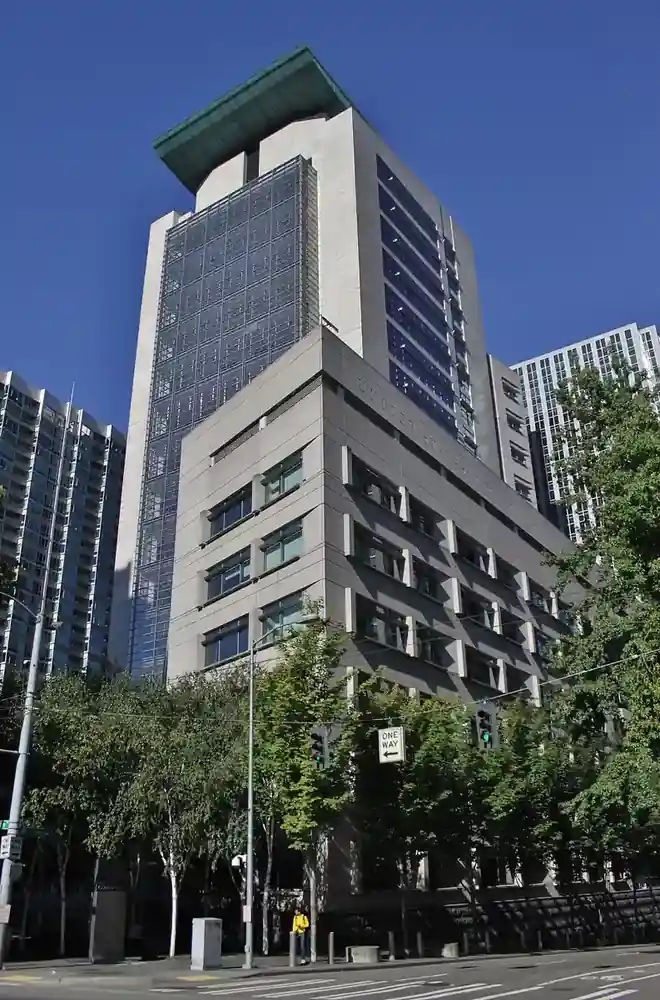
Federal courts in Seattle are receiving a steady stream of lawsuits from immigrants held in detention. The lawyers who are supposed to fight those cases on behalf of the government say they simply do not have enough staff to handle them all. That shortage is now leading to a situation where detainees walk free not because they won an argument in court, but because no one showed up to oppose them.
What the Acting US Attorney’s Letter Said
On November 9, 2026, Acting US Attorney Charles Floyd sent a letter to Chief Judge David Estudillo of the Western District of Washington. Floyd told the judge that his office lacked the resources to enter an appearance on every immigration habeas corpus case coming through the docket. He asked the court to work around the problem by emailing the Northwest ICE Processing Center in Tacoma directly when ordering a detainee’s release. That instruction bypasses the normal legal process, in which a government lawyer would receive and respond to court orders.
Since January 2025, roughly 100,000 habeas corpus petitions have been filed by immigrants in detention across the United States. About 2,000 of those cases landed in the Western District of Washington alone. Each petition asks a federal judge to review whether the detention is lawful. Each one normally requires a federal prosecutor, known as an Assistant US Attorney, to file a response and appear on the case.
For immigrants held at the Tacoma facility and their attorneys, this shift has real and immediate consequences. When the US Attorney’s Office declines to enter an appearance on a habeas petition, the federal judge can rule on it without hearing the other side. Cases that might take months to work through the system are now resolving in days. That said, detainees do not go free automatically. Each person must still file a formal federal petition to trigger the process.
The core problem is structural. ICE detention facility wardens are not licensed attorneys. They cannot represent the government in federal district court. That role belongs to DOJ prosecutors. When those prosecutors are stretched too thin to appear, the government effectively has no voice in court. By telling judges to email Tacoma directly, the Trump administration’s detention operation has generated so many lawsuits that the legal infrastructure meant to defend those detentions cannot keep pace. The result is that prosecutor shortages are quietly accelerating releases that the government set out to prevent.
This pattern could spread. Other federal districts facing similar caseloads may adopt their own triage systems, triaging which habeas cases get a legal defense and which do not.
What happens when DOJ prosecutors don’t show up to defend an ICE habeas corpus case? When federal prosecutors do not enter an appearance or file a brief opposing a detained immigrant’s habeas corpus petition, the federal judge rules on the petition without opposition. In the Western District of Washington, judges have already ordered the release of ICE detainees after the US Attorney’s Office declined to defend those cases due to staffing shortages. The detainee still must file a valid federal petition for the court to act.
The situation in Washington state is a direct consequence of the scale of immigration enforcement since early 2025. One hundred thousand habeas filings in roughly twenty months is a number the federal court system and the DOJ were not staffed to absorb. Acting US Attorney Charles Floyd’s letter makes clear that the gap between the volume of cases and the number of prosecutors available to handle them has become impossible to manage in the ordinary way. How other districts respond to similar pressure remains to be seen.