Indian rock pythons are not venomous, but they are protected by law

November 4, 2026
2 mins read
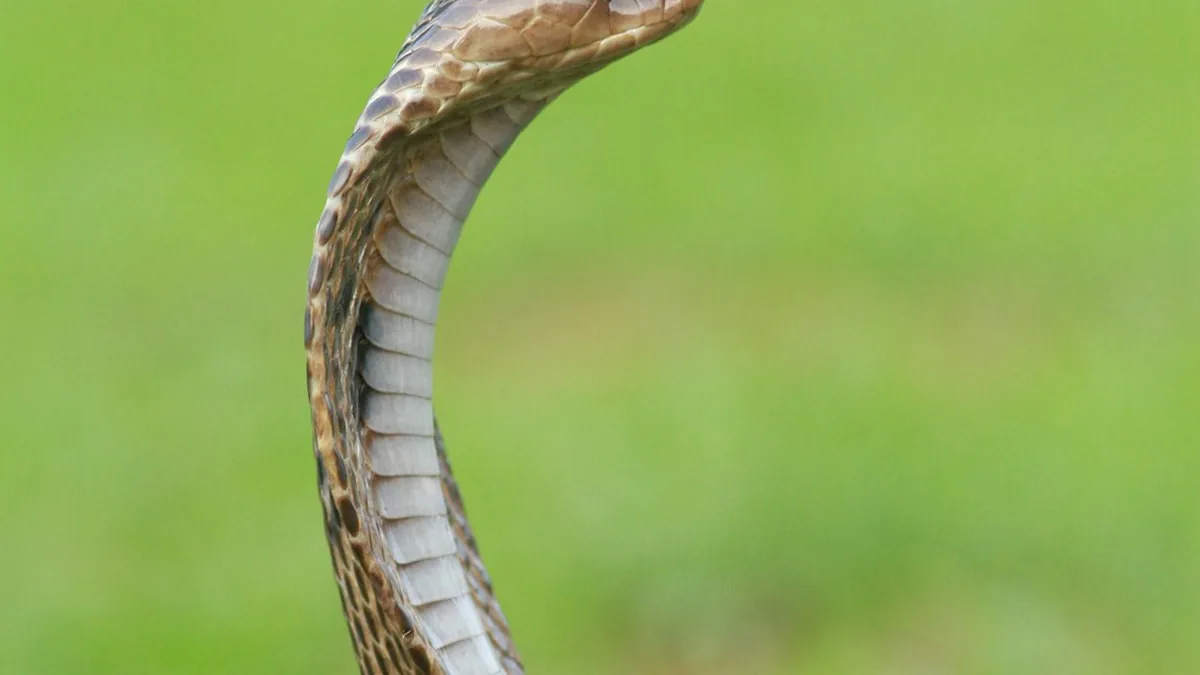
Snake in natural habitat used as a representative photograph for guidance about protected Indian rock pythons.
(Representative image) A snake in habitat provides context for guidance to keep distance and contact trained wildlife responders. [Photo: Unsplash]

Indian rock pythons are large snakes, but they are not venomous. The safe approach is to keep your distance and call trained rescue teams rather than trying to handle the snake.

The Indian rock python (Python molurus) is non-venomous and kills prey by constriction. Its backward-curving teeth can cause painful cuts. Secondary sources list the species under Schedule I of the Wildlife (Protection) Act, 1972, after the 2022 amendment. Schedule I is the highest protection tier in that law.

Do not corner or try to kill a python. Keep your distance, keep livestock away and call the local forest department. Handling a large snake can cause crush injuries to people and to the animal.

Why pythons turn up in farm fields

Sugarcane fields offer dense cover that looks a lot like wetland reeds, which gives pythons shelter. This is an inference, not a population count. It does not show that there are more pythons this year.

Are Indian rock pythons venomous? No. They are non-venomous constrictors that subdue prey by squeezing. Their backward-curving teeth can cause painful cuts. Large coils can cause crush injuries if a snake is provoked or handled badly.

Killing a protected snake can bring legal trouble. If a large snake turns up near your home or farm, contact the forest department rather than handling it. Keep children and pets away while you wait.

Rahul Somvanshi

Rahul, possessing a profound background in the creative industry, illuminates the unspoken, often confronting revelations and unpleasant subjects, navigating their complexities with a discerning eye. He perpetually questions, explores, and unveils the multifaceted impacts of change and transformation in our global landscape. As an experienced filmmaker and writer, he intricately delves into the realms of sustainability, design, flora and fauna, health, science and technology, mobility, and space, ceaselessly investigating the practical applications and transformative potentials of burgeoning developments.

Leave a Reply

Your email address will not be published.

John Leeson, longtime voice of K9 in Doctor Who
Previous Story

John Leeson K9 obituary: Doctor Who voice dies aged 83

Low reservoir water during drought conditions in Britain
Next Story

England drought recovery needs 120% rainfall

Latest from India

A colorful arrangement of fresh watermelon, banana slices, grapes, mango, and apple on a white ceramic plate

Healthy Diwali Feast Options

Diwali feasts traditionally showcase regional cuisines, seasonal abundance, and recipes passed through family generations. These celebrations center on food as expression of love and prosperity, with each dish carrying cultural meaning alongside
High tide and storm surge along the Bering Sea coast where chemical residue from fireworks washes into marine waters

Water Pollution from Festival Fireworks

Festival fireworks illuminate celebration while introducing complex chemical contamination into water systems. Fireworks contain perchlorates, barium, strontium, and copper compounds, releasing these substances into the atmosphere during explosion and falling as residue
A plate of golden-brown besan ladoo sweets made from gram flour and sugar, arranged for Diwali sharing

Sustainable Diwali Sweets and Mithai

Diwali sweets represent centuries of culinary innovation, cultural identity, and family tradition across the Indian subcontinent. These mithai range from milk-based creams to fried pastries, each carrying regional significance and seasonal flavors.

Don't Miss