 Govind Tekale
What the Strike Pause Means for Gulf Shipping and Oil Markets
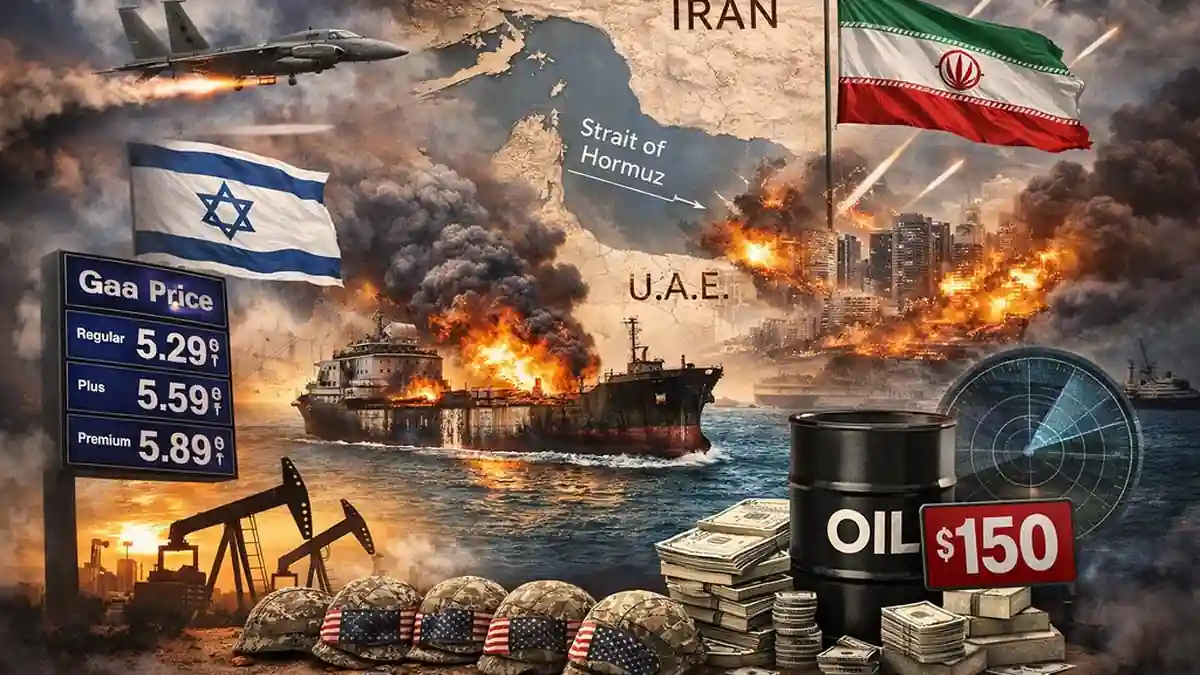
President Donald Trump announced a pause in U.S. military strikes against Iranian targets on November 2, 2026, one day before the midterm elections. Trump claimed the war would “wrap up soon” and that Iranian leadership had agreed to negotiations. The pause follows weeks of escalating conflict in the Persian Gulf that has destroyed naval assets, disrupted commercial shipping lanes, and triggered an OPEC+ production freeze. Oil prices surged past $108 per barrel before retreating slightly on news of the pause.
The strike pause creates immediate uncertainty for global energy markets and Gulf shipping. Commercial vessels rerouted around the Strait of Hormuz face extended transit times and higher insurance costs. The OPEC+ production freeze, enacted in response to the conflict, has removed roughly 2 million barrels per day from global supply. If negotiations fail and strikes resume after November 3, analysts warn of a sharper price spike that could push Brent crude above $120.
How the Conflict Escalated and Where It Stands
The current phase of the U.S.-Iran conflict began in late October 2026 after Iranian-backed forces attacked U.S. naval assets in the Persian Gulf. The U.S. responded with targeted strikes on Iranian missile facilities, radar installations, and Revolutionary Guard naval bases. Iranian retaliation damaged tankers and port infrastructure in the UAE and Oman. Qatari mediators have shuttled between Tehran and Washington since October 28, carrying proposals for a ceasefire and nuclear talks restart.
Trump’s November 2 announcement stated that Iranian leadership had “signaled willingness to negotiate” and that he had ordered a “temporary pause” in offensive operations. The Pentagon confirmed a hold on kinetic strikes but said defensive patrols and intelligence flights continue. Iranian state media acknowledged the Qatari mediation channel but did not confirm a formal agreement. The pause applies to offensive strikes only and does not affect existing sanctions or the U.S. naval presence in the Gulf.
OPEC+ ministers held an emergency virtual session on November 1 and agreed to maintain current output cuts through the end of November. Saudi Arabia and the UAE supported the freeze, citing “market instability from geopolitical disruption.” The decision keeps roughly 2 million barrels per day off the market. Oil traders are pricing in a 30 to 40 percent probability that the pause collapses before November 15, which would likely trigger a rapid price move.
The conflict has already cost the U.S. Navy two destroyers and a littoral combat ship, with 47 sailors killed and 112 wounded since October 20. Iranian losses include at least 12 naval vessels and multiple coastal defense sites. Commercial shipping through the Strait of Hormuz has fallen 60 percent below normal volumes. Insurance war-risk premiums for Gulf transits have increased tenfold since October 15.
Trump’s claim that the war will “wrap up soon” contradicts Pentagon assessments that degrading Iran’s missile and naval capabilities would require weeks of sustained operations. The November 3 midterm election adds domestic political pressure. Democrats have criticized the conflict’s cost and lack of congressional authorization. Republicans have largely backed the president’s approach. The strike pause may reflect electoral calculation as much as diplomatic progress.
Oil markets remain on edge. The strike pause reduced Brent crude from $112 to $108 per barrel, but the OPEC+ freeze and unresolved nuclear issues keep a risk premium embedded in prices. Gulf shipping insurers have not lowered war-risk rates. Qatari mediators remain in Tehran. The next 72 hours will test whether the pause becomes a ceasefire or a tactical reset before renewed escalation.
Why did the U.S. pause strikes against Iran before the midterm election? President Trump announced a temporary pause in offensive operations on November 2, stating Iranian leadership had signaled willingness to negotiate through Qatari mediators. The pause applies to kinetic strikes only. Defensive patrols and sanctions continue. The timing, one day before the November 3 midterm election, has drawn scrutiny over whether electoral considerations influenced the decision.
The Qatari mediation channel remains active in Tehran. Oil markets and Gulf shipping insurers are pricing in a significant probability that the pause collapses within two weeks. Check back for updates as negotiations progress or stall.