 Sonali Tiwary
Whether you are still searching for the source of the house-shaking boom that rattled Northeast Ohio or wondering if dark stones in Medina County fields are worth real money, NASA’s trajectory data and lab results have solved what fell from the sky south of Lake Erie.
Searches asking if a meteor hit Cleveland Ohio surged after a daylight fireball and earthquake-like sonic boom shook Northeast Ohio and western Pennsylvania around 9 a.m. EDT on March 17, 2026. According to NASA and National Weather Service satellite data, a small asteroid measuring nearly 6 feet wide and weighing roughly 7 tons entered Earth’s atmosphere above Lake Erie and streaked southeast at 45,000 mph before breaking apart over Valley City in Medina County, about 30 minutes south of Cleveland. Soon after NASA released its official strewn-field map, meteorite hunter Roberto Vargas recovered the first confirmed 10-gram (0.35-ounce) fragment on the ground in Medina County.
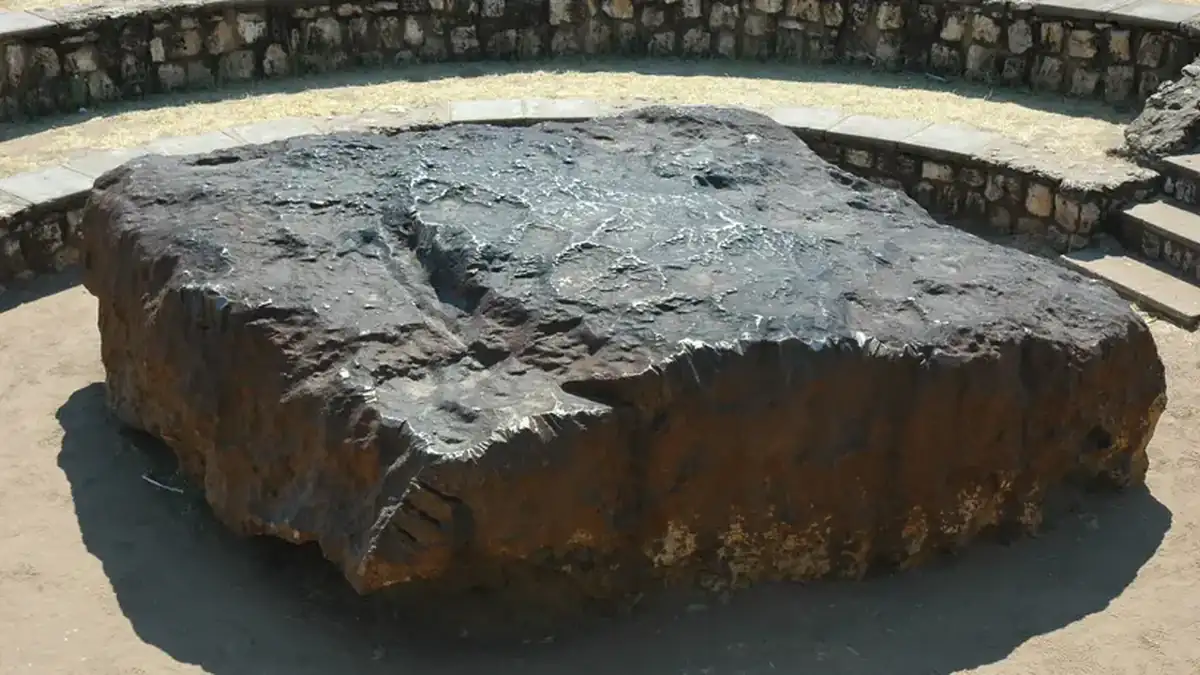
If you live along the NASA strewn-field path near Valley City and Medina County, south of Cleveland, small dark stones sitting on driveways, roofs, or pastures could be genuine achondrite meteorites. Do not touch suspect rocks with bare hands or put a magnet to them, as skin oils and strong magnets erase scientific data. Photograph the stone in place and report it to Case Western Reserve or Kent State University researchers.
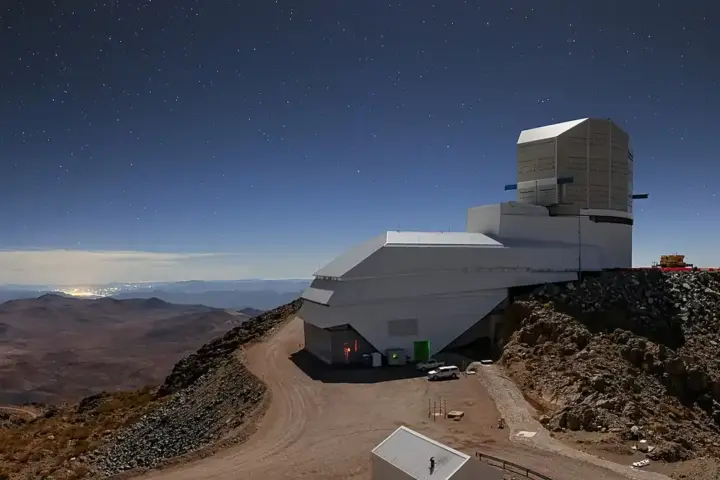
While autumn skywatchers have been tracking fast-moving dust in the Orionid meteor shower from Halley’s Comet and deep-space discoveries like the Rubin Observatory’s dwarf planet candidate 2026 ED138, meteor showers almost never drop rocks to the ground. It takes a dense, multi-ton asteroid fragment surviving atmospheric entry to scatter intact stones across a county.
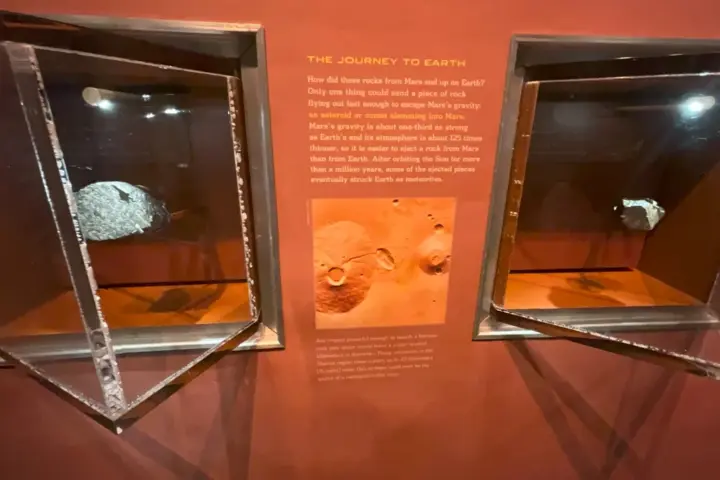
When rocks from the Cleveland fireball were analyzed after landing in Medina County, planetary scientists classified them as achondrites—a rare stony meteorite type that makes up just 8% of all space rocks ever found on Earth. Unlike common metallic or chondrite meteors formed from raw solar dust, an achondrite was once melted inside the crust of a larger world like the asteroid Vesta, the Moon, or Mars before being blasted toward Earth.
Where did the Cleveland, Ohio meteor land and did it cause any damage?
NASA’s strewn-field map places the breakup and landing zone across Medina County, centered near Valley City about 30 minutes south of Cleveland. Although the 45,000-mph entry generated a loud sonic boom heard from Cleveland to Pittsburgh, no injuries or structural property damage were reported.
If you come across an unusual rock with a dull black fusion crust in Medina County, wrap it in clean aluminum foil and reach out to the planetary geology departments at Case Western Reserve University or Kent State University to have it authenticated.