Karmactive Team
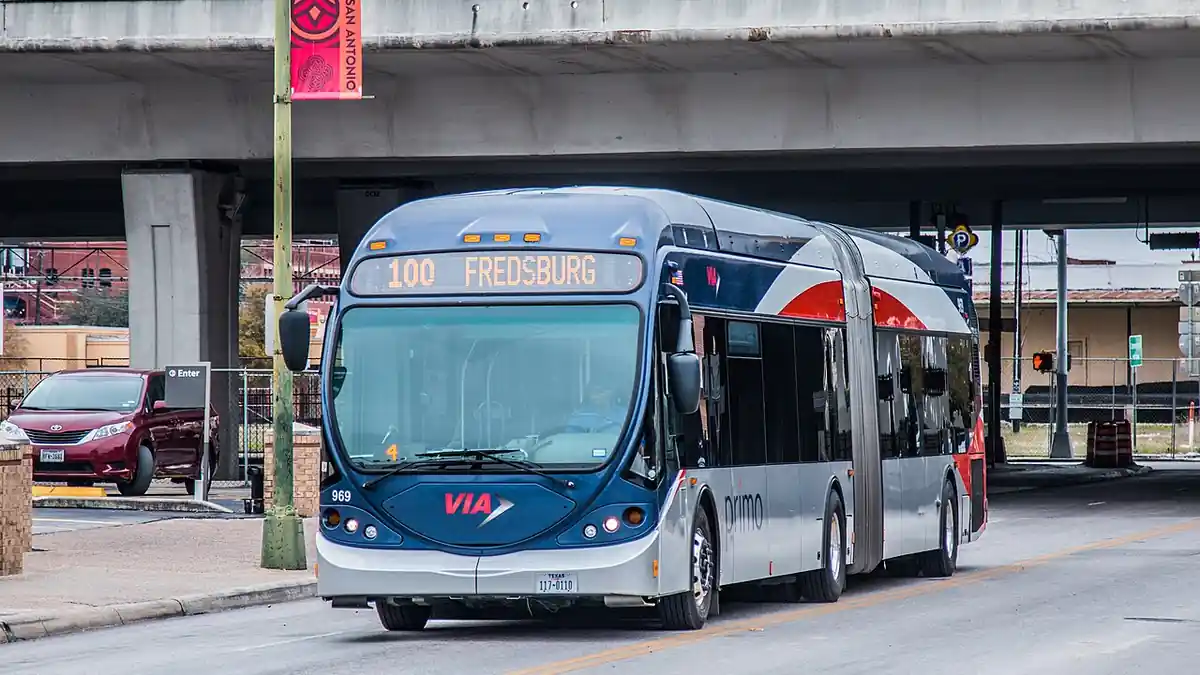
The Federal Transit Administration tracks ridership through the National Transit Database, and the latest comparison covers January through August 2026. Within that data, VIA in San Antonio recorded a 10.1% increase and ranked second of 50 agencies. The USA figure for the same period was 0.1%.
Texas peers present a mixed picture. Houston rose 3.8%, while Austin fell 4.5% and Dallas fell 5.3%. The same data set also cites about 2 million added rides.
Ridership percentages compare one period with a prior period, so a rise can reflect recovering service, new routes, or other changes. Comparisons across cities are most useful when the periods match, since seasonal demand and service changes can affect results. The percentages alone do not explain their cause.
VIA’s proposed budget for fiscal year 2027 totals $382.8 million and projects 35.3 million trips. The proposal includes 61 routes operating every 30 minutes or better. It also references a 70% figure in connection with the Better Bus Plan. Routes at intervals of 30 minutes or better are often easier for riders to use without consulting a timetable, since a vehicle arrives at short, predictable gaps.
Staffing has grown over the period covered by the proposal. VIA’s staff rose from 799 in December 2024 to 1,021 in September 2026. Bonus offers of $4,000 for operators and $6,000 for mechanics are part of the staffing picture.
Fleet and infrastructure plans include 33 new Gillig buses and a construction goal of 80% for the Green Line. A proposed budget is a plan that is reviewed and may be revised before adoption. Projected trip counts depend on service levels, so changes to routes or frequency would tend to affect the projection. Comparing a proposed budget with service levels, staffing, and fleet plans gives a fuller view than any one figure alone.
Readers who want more context can find related reading and related reading elsewhere on this site. Ridership data is available from the National Transit Database at transit.dot.gov/ntd, and VIA’s own materials are published at viainfo.net. Budget figures in this article are subject to change.