Rahul Somvanshi
Blue Planet III: BBC Confirms No Generative AI Used — Why Cloudier Shots Were Left In
When Blue Planet III premieres on BBC One on 1 November 2026, you will notice something unexpected: underwater shots with murky water, floating particles, and visible suspended plankton. That is not a production oversight. The BBC’s Natural History Unit left every one of those imperfections in the final cut deliberately — a practical demonstration that the series was filmed on physical cameras in real ocean conditions, with no generative AI used in production.
BBC Head of Commissioning Jack Bootle stated explicitly at press screenings: “No gen AI was used in this series. Not a single frame.” Executive producer Elizabeth White and series producer Lara Bickerton backed this across multiple briefings. The series took four years to film across five oceans. Sir David Attenborough, now 100 years old, actively edited scripts and recorded the narration. Blue Planet III premieres on BBC One and BBC iPlayer on 1 November 2026, with BBC America and AMC+ confirmed for 2027 international broadcast.
For viewers and documentary makers, Blue Planet III sets a new standard for what “authentic” means in natural history filmmaking. As AI-generated video becomes capable of fabricating photorealistic wildlife footage convincingly enough to fool most audiences, broadcasters who guarantee real footage will need to show the evidence physically embedded in the image — murky water, suspended particles, unscripted animal behavior. This also matters for conservation credibility: genuine environmental degradation cannot be digitally cleaned away and passed off as pristine.
The Engineering Behind the Authenticity
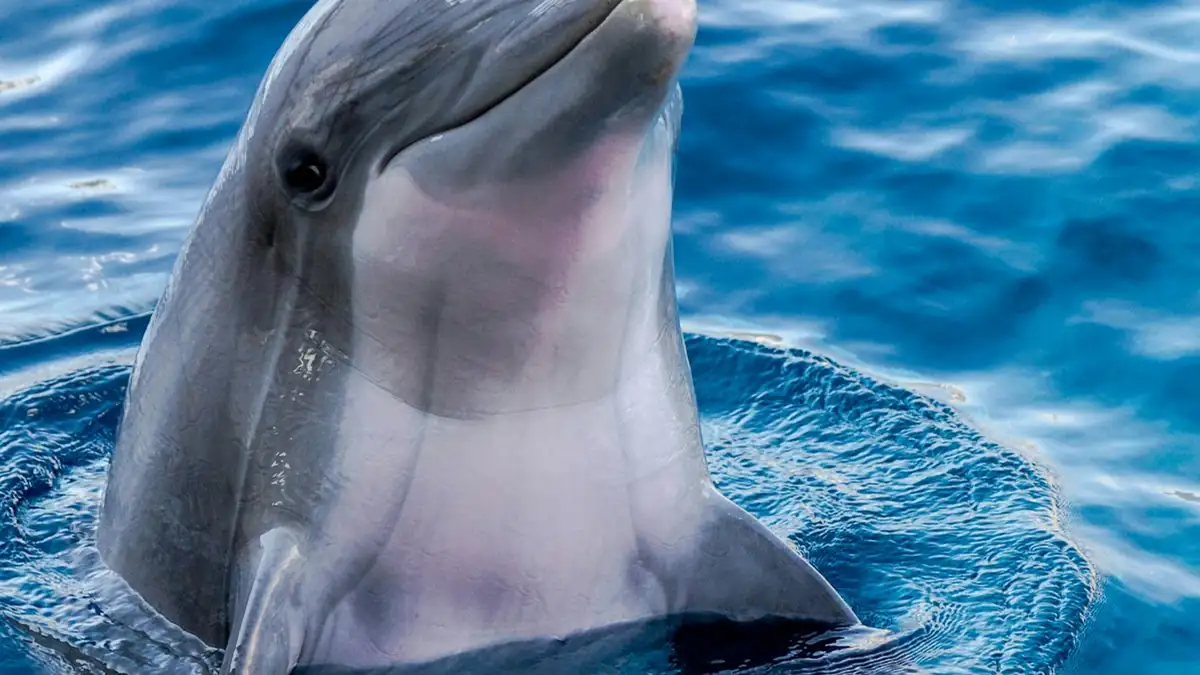
To capture footage that reflects real ocean conditions, the NHU developed custom camera systems. “Stonefish” is an autonomous 4K underwater CCTV unit that records continuously for 24 hours without overheating, deployed in Shark Bay, Western Australia, to document sponge-carrying bottlenose dolphins without human presence disturbing behavior. “Minidome” was built for shallow rockpool environments where standard rigs would disturb the ecosystem. “Little Charlie” — a selfie-stick-style rig capable of operating at 3,000 metres depth — captured deep-sea sequences that fixed camera systems could not reach.
In previous BBC wildlife landmark series, suspended plankton, boat hull reflections, and turbid water were routinely framed away or removed in editing to achieve a hyper-clean visual standard. In Blue Planet III, those same elements are preserved. The reasoning is direct: current AI video tools can produce photorealistic footage of clear tropical water and marine animals. Retaining the optical imperfections of a physical lens operating in real conditions — particles drifting past at depth, fractured light through surface chop, the biological haze of a living ocean — provides audiences with visible evidence of genuine camera capture.
The environmental thread running through the series is captured rather than constructed. Warming seas bleaching sea anemones, synthetic pollutants documented in ocean environments — this footage exists because conditions exist. It was not restaged.
The series covers five oceans over four years, filmed under a production framework that prioritizes unmanipulated observation over composed beauty shots, a deliberate departure from the aesthetic choices that defined Blue Planet I and II.
Did Blue Planet 3 use AI to generate animal footage?
No. BBC Head of Commissioning Jack Bootle confirmed that zero generative AI was used across any sequence in the series. Producers deliberately retained murky water, plankton, and unpolished underwater shots as evidence that every frame represents genuine physical camera capture rather than synthetic generation.
Blue Planet III premieres on BBC One and BBC iPlayer on 1 November 2026. BBC America and AMC+ have confirmed 2027 broadcast. Further episode details and broadcast schedule information are available from the BBC Media Centre.