 Tejal Somvanshi
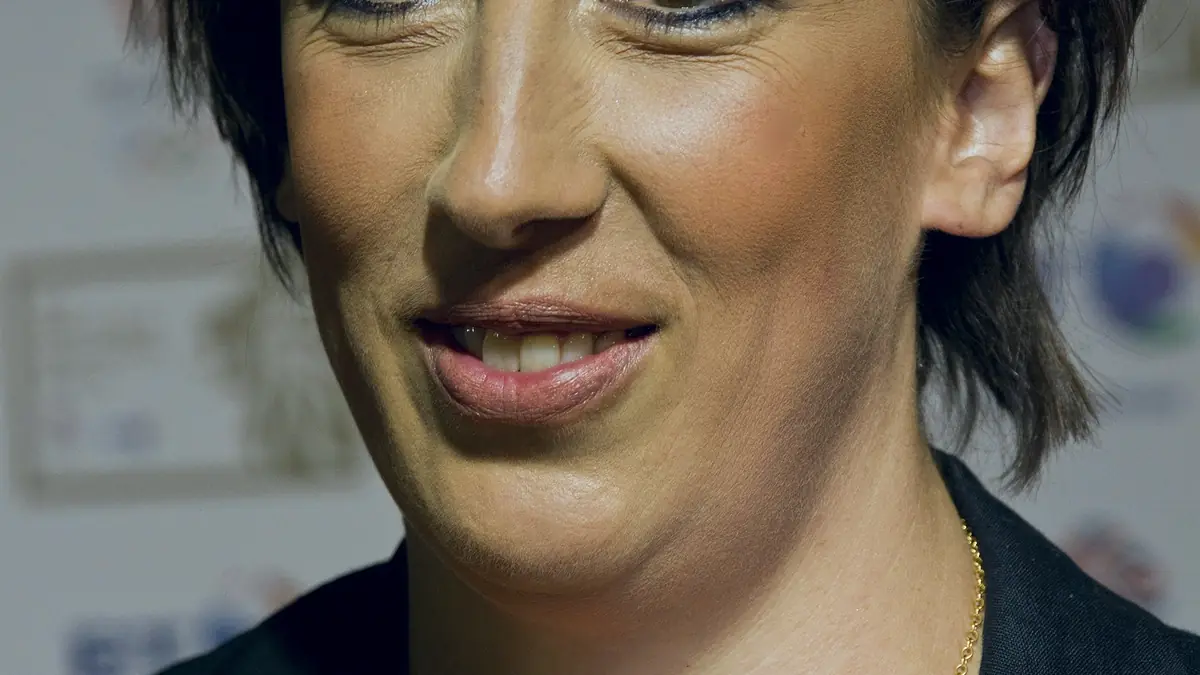
Miranda Hart’s appearance on Celebrity Traitors in 2026 was her first major TV role in years. She has spoken openly about living with ME/CFS, describing how Lyme disease—which she says she has experienced in a reactivated form since age 15—disrupted her immune system and contributed to her diagnosis. NHS GP Dr Amir Khan, discussing Hart’s return on ITV’s Lorraine, described ME as a serious, widespread condition affecting brain function, the immune system, and energy levels, and cautioned that even a small amount of physical activity can flare up symptoms.
Miranda Hart, the comedian and actress known for her BBC sitcom and her role in Call the Midwife, appeared on Celebrity Traitors after a lengthy absence from public life. She was diagnosed with ME/CFS and has spoken about Lyme disease playing a role in her illness. She said before the series that the show would be “challenging” on her body, and during filming recalled that three or four years earlier she had wondered whether she would ever manage even a gentle walk in a park.
ME/CFS (myalgic encephalomyelitis/chronic fatigue syndrome) is estimated to affect 250,000 or more people in the UK—a 2025 University of Edinburgh study found approximately 404,000 cases in England alone, substantially above earlier estimates. Its defining feature is post-exertional malaise (PEM): a biological crash triggered by physical or mental activity that can leave patients worse for days or weeks afterward.
Dr Khan’s core point: ME/CFS is not caused by an unhealthy lifestyle. He described the condition as affecting brain function, the immune system, and energy levels, and cautioned that even a small amount of physical activity can trigger symptom flares. Hart’s management of her condition has involved pacing—carefully managing activity levels—based on her own public account, a view reinforced by a genetic study linking specific DNA regions to ME/CFS that points to a biological rather than psychological basis for the condition.
What Lyme disease has to do with ME/CFS
Lyme disease is caused by the bacterium Borrelia burgdorferi, transmitted through tick bites. In the UK, ticks are most common in woodland and grassland, particularly in Scotland, southern England, and Wales. Early Lyme typically presents with a bull’s-eye rash, fever, and joint pain. Hart has said her Lyme history dates to her teenage years.
Post-infectious illness following Lyme, glandular fever, and other infections is recognized as a pathway to ME/CFS in some patients. The mechanism is not fully understood, and the NHS notes that most people with Lyme disease recover fully with antibiotics.
NICE clinical guideline NG206 for ME/CFS was updated in 2021. The updated guideline recommended that programmes based on fixed incremental increases in physical activity should not be offered to patients with ME/CFS, marking a change from earlier guidance. The revision followed a review of evidence on how patients with post-exertional malaise respond to fixed exercise programmes.
The lifestyle-cause misconception is particularly damaging because it attaches stigma to a condition that is already poorly understood by many, and can lead to patients being encouraged to push through symptoms in ways that can worsen their condition. Dr Khan’s comments on Lorraine addressed exactly this point.
What Hart’s Celebrity Traitors appearance showed is not recovery in the conventional sense. People with ME/CFS often describe periods of relative function between symptom flares. Hart herself described the filming as challenging and said she was managing elements of the illness throughout—which is consistent with the fluctuating nature of the condition rather than a return to full health.
Miranda Hart’s return to television follows years of managing ME/CFS connected, in her own account, to a history of Lyme disease. Dr Khan’s Lorraine segment addressed the lifestyle misconception that much media coverage still reinforces. The ME Association provides clinical information and support at meassociation.org.uk.