Rahul Somvanshi
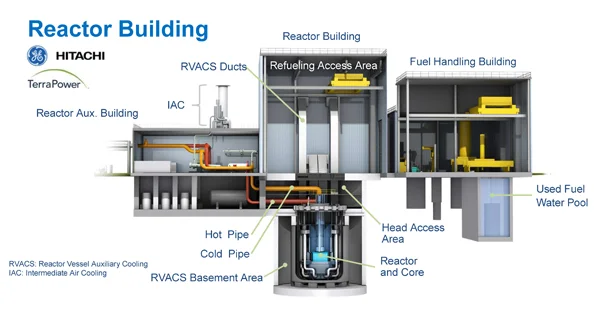
The Nuclear Regulatory Commission has issued a construction permit for TerraPower’s Natrium reactor planned for Kemmerer, Wyoming, which the Department of Energy describes as the first construction permit the agency has granted for a commercial reactor that does not use ordinary water as its coolant. The approval, announced in March 2026, allows TerraPower to begin building the plant. It does not yet allow the company to operate it. The project is designed to supply electricity that can adjust to demand rather than run at a single fixed output.
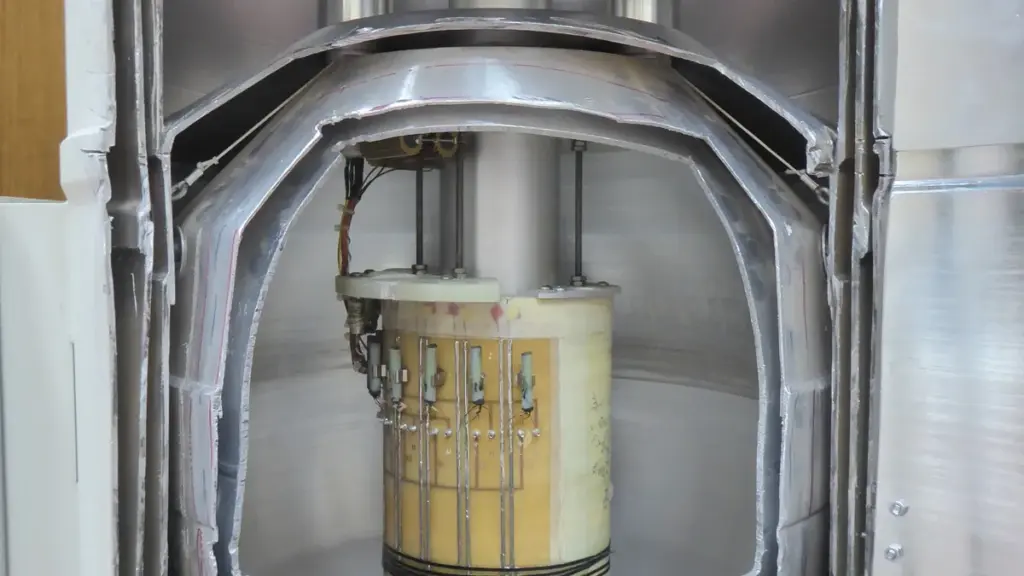
According to DOE, the Natrium plant is built around a 345-megawatt sodium-cooled fast reactor. Natrium uses liquid sodium metal as its coolant. The reactor runs on high-assay low-enriched uranium fuel. The NRC’s own description of Natrium confirms the 345-megawatt sodium-cooled fast reactor design and describes it as a pool-type reactor.
The plant’s appeal, according to DOE and TerraPower, is flexibility. The reactor produces heat at a steady rate, but the plant is designed to store some of that heat and release it later, allowing output to rise from 345 megawatts to as much as 500 megawatts when the grid needs more power. That could make Natrium more adaptable than a reactor built to run at one constant level. It remains a design under construction, not a plant with an operating record.
Sodium Coolant and Molten-Salt Storage Are Separate Systems
The distinction between the reactor’s coolant and its storage system matters, because the two use different materials for different jobs. Liquid sodium metal circulates through the reactor core and carries heat away from the fuel. Separately, the plant is designed to include a molten-salt energy storage system, built with salt rather than sodium metal, that holds heat generated by the reactor until the plant needs to convert it into electricity. DOE and TerraPower describe this molten-salt storage as the mechanism that lets output climb from 345 to 500 megawatts on demand. Some earlier summaries of the project have referred to the storage system as using molten sodium. DOE and TerraPower’s own materials describe the storage medium as molten salt, a different substance from the sodium metal that cools the reactor, so that description does not match the primary sources.
The construction permit covers only authorization to build the plant. TerraPower still needs the NRC to grant a separate operating licence before Kemmerer Unit 1 can generate electricity. DOE frames this construction permit as a regulatory milestone for the advanced reactor sector generally, since it is the first issued for a commercial reactor that does not rely on water cooling. TerraPower has said it expects the plant to be completed around 2030. The Kemmerer site sits near an existing coal-fired power plant.
What is the Natrium reactor? Natrium is TerraPower’s proposed 345-megawatt sodium-cooled fast reactor planned for Kemmerer, Wyoming, paired with a separate molten-salt energy storage system. DOE says that storage system is designed to raise the plant’s output to as much as 500 megawatts when demand calls for it. The NRC has issued a construction permit for the project, but TerraPower still needs an operating licence before the reactor can run.
The milestones worth watching next are TerraPower’s application for an operating licence, progress on construction at the Kemmerer site, and progress on qualifying and supplying the high-assay low-enriched uranium fuel the reactor is designed to use. Until those steps occur, Natrium remains a reactor design with regulatory clearance to begin construction, not a power plant generating electricity.