Tejal Somvanshi
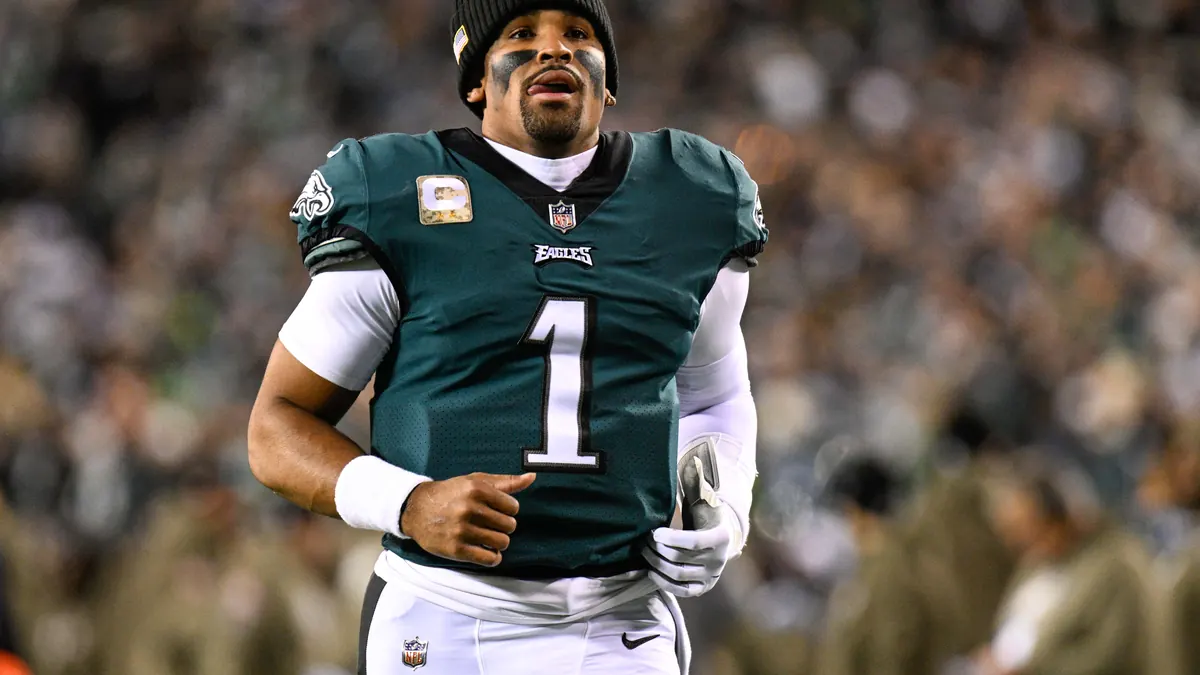
Philadelphia Eagles quarterback Jalen Hurts, 28, is expected to miss the remainder of the 2026 NFL season after doctors discovered deep vein thrombosis (DVT) and bilateral pulmonary emboli — blood clots in both lungs — following an earlier diagnosis of a superficial venous clot in his left calf. His case has prompted a wave of searches from people who want to understand how a physically fit professional athlete ends up with a condition most people associate with long-haul flights or post-surgery recovery — and what the warning signs look like before it becomes life-threatening.
What the Eagles confirmed
On October 19, the Eagles announced that Hurts has deep vein thrombosis and bilateral pulmonary emboli. He had previously been diagnosed with a superficial venous thrombosis in his left calf, first identified during the team’s time in London. The team confirmed he is clinically stable and expected to make a full recovery, but that he must undergo anticoagulant therapy. According to ESPN, treatment is expected to last at least three months. Blood thinners significantly raise the risk of serious internal bleeding from collisions, which is why he cannot return to contact sport until treatment is complete.
The medical progression: from calf to lungs
Understanding why this progression happens requires a distinction between two types of clots. Superficial venous thrombosis forms in veins close to the skin’s surface. It can be painful and visible as redness or swelling, but it involves different vessels than deep veins and does not typically travel to the lungs on its own.
DVT forms in the deep veins — typically in the calf or thigh — that return blood directly toward the heart. When part of a deep clot breaks loose, it can travel through the right side of the heart and lodge in the pulmonary arteries, the vessels that supply blood to the lungs, causing a pulmonary embolism. When clots affect arteries in both lungs, as in Hurts’ case, it is classified as bilateral.
DVT and pulmonary embolism symptoms can be subtle, sudden, or absent altogether — which is part of what makes them dangerous. People often do not realize anything serious is developing.
Why athletes are not automatically protected
High cardiovascular fitness does not reduce the risk of blood clot formation the way it reduces cardiac disease risk. DVT is primarily driven by three factors — disrupted blood flow, changes to blood chemistry, and damage to vessel walls (known as Virchow’s triad). Hurts’ original injury came from a cleat to his calf area during the October 4 game against the Los Angeles Rams, creating the kind of vessel trauma that can trigger the clotting process.
Warning signs often mistaken for sports injuries
Athletes and physically active adults frequently mistake DVT symptoms — calf swelling, redness, and tenderness — for routine muscle strains. Pulmonary embolism symptoms — unexplained shortness of breath, sharp chest pain on deep inhalation, a dry cough, or a racing heart rate — are often attributed to illness or overtraining. Anyone experiencing those symptoms, particularly after an injury to the leg, recent travel, or surgery, should seek urgent medical evaluation rather than waiting to see if they improve.
What recovery looks like
Treatment typically involves anticoagulant therapy while the body gradually breaks down the clot. Duration is individualized and depends on provoking factors, the patient’s clotting risk profile, and bleeding risk. During that period, contact sport is not possible for someone on blood thinners. The Eagles have confirmed Hurts can resume contact football once he is off anticoagulants, but the timing depends on his individual treatment course.
According to the CDC, reducing risk during extended sitting — such as long travel — involves regular ankle movement and walking breaks. Long travel, dehydration, recent injury, certain medications, and genetic clotting conditions are among the recognized risk factors, but DVT can also occur without an obvious trigger.
As of October 20, the Eagles’ quarterback situation for the rest of the season has not been formally announced. Blood clot symptoms and risk factors are covered by the CDC at cdc.gov.