 Karmactive Staff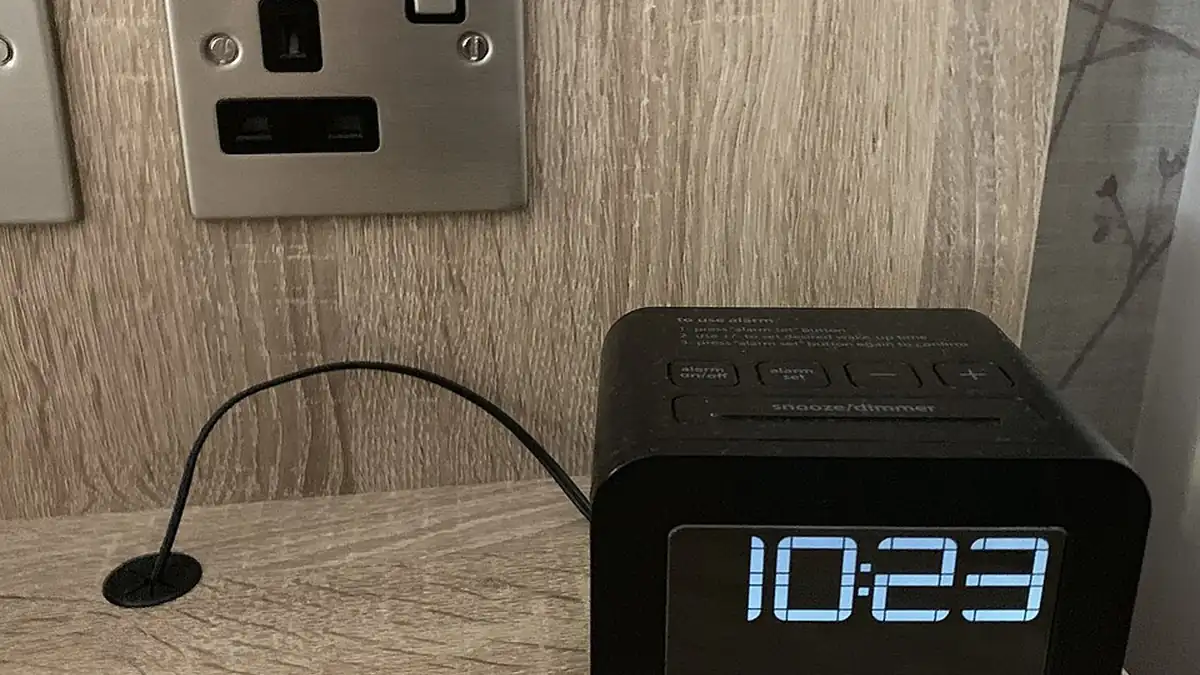
Clocks Fall Back on November 1, 2026
Daylight saving time ends at 2:00 a.m. on Sunday, November 1, 2026. Set your clocks back one hour before you go to sleep Saturday night, and you will wake up to an extra hour — which also happens to fall on Halloween weekend.
What the Halloween Timing Actually Means
If you are up late on October 31, that night runs 25 hours instead of the usual 24. The practical upside is an extra hour of sleep for anyone recovering from a late night out. The wrinkle for parents: children who are already wound up from trick-or-treating may wake an hour earlier than usual by their body-clock standard, even if the wall clock reads the same time as always.
How to Prepare for the Change
Sleep physicians generally recommend adjusting gradually rather than absorbing the shift all at once. In the days before November 1, shifting bedtime 15 to 20 minutes earlier each night can smooth the transition. The fall-back adds an hour, which sounds welcome, but it still disrupts circadian rhythm — particularly for shift workers, young children, and anyone on a timed medication schedule. If you take medication at set clock times, check with your prescriber whether the schedule should stay fixed to the clock or to your body’s rhythm.
Devices that update automatically — phones, computers, most smart speakers — will handle themselves. Ovens, microwaves, wall clocks, and car dashboards usually need a manual update.
States That Do Not Change Their Clocks
Arizona (with the exception of the Navajo Nation) and Hawaii do not observe daylight saving time and will make no change on November 1. Residents in those states stay on standard time year-round.
Where the Permanent Daylight Saving Time Push Stands
Under current federal law — the Uniform Time Act of 1966 — states must either follow the federally set daylight saving time schedule or opt out of it entirely, as Arizona and Hawaii have done. No state may unilaterally stay on daylight saving time permanently; only Congress can authorize that.
The Sunshine Protection Act, which would have made daylight saving time permanent nationwide, passed the Senate unanimously in March 2022 but stalled in the House and never became law. The proposal gained attention again during the Trump administration, but as of this publication date no legislation has cleared both chambers and been signed. The twice-yearly clock shift remains the law of the land until that changes.
Why Permanent Daylight Saving Time Remains Contested
Supporters argue that locking in evening light year-round would benefit retail, outdoor recreation, and general energy levels during the darker months. Critics point to the prolonged morning darkness it produces in winter, especially at northern latitudes, and to a historical episode that still shapes the debate.
In 1974, during an energy crisis, the United States enacted year-round daylight saving time. The experiment lasted roughly 16 months before Congress reversed course. Opposition centered on school before sunrise during winter mornings, and safety concerns in those conditions contributed to the law’s repeal. That history is regularly cited by lawmakers who oppose a permanent switch, even as advocates argue that changed commuting patterns and better vehicle lighting make the comparison less applicable today. Neither side has produced enough votes to settle the argument.
What to Do Before November 1
Set your clocks back one hour on the night of Saturday, October 31. The official change takes effect at 2:00 a.m. on Sunday, November 1, 2026. Most of the country is required to make this change under federal law, and no permanent alternative has passed as of now. If Congress acts before next spring, the March 2027 clock change would be the first one affected — worth checking back on as the legislative calendar progresses.