Rahul Somvanshi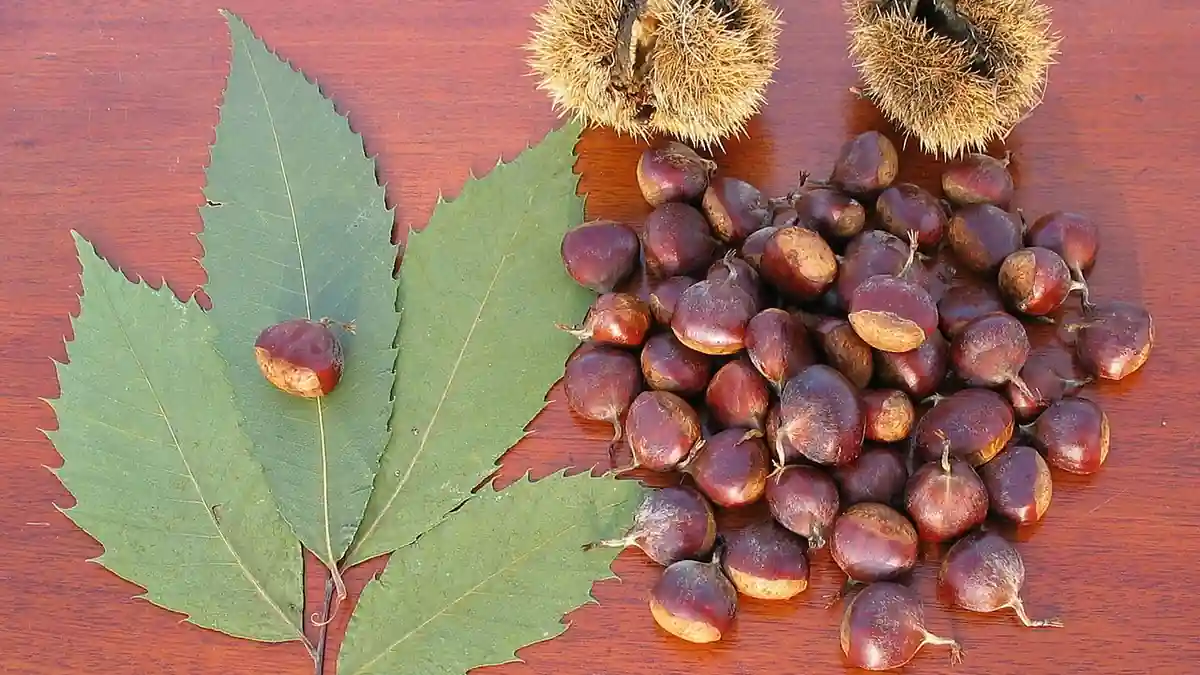
A video calling for action to save chestnut trees at a former state nursery in Mason County, West Virginia, highlights a real concern—but it misses a key development. State officials have announced a plan to relocate the chestnut and chinquapin trees rather than cut them down for the data-centre project.
Local reporting says the project developer will fund the relocation, following public concern about trees at the former nursery site. The announcement is significant, but relocation is not risk-free: moving established trees requires careful timing, root preparation, transport and follow-up care.
The video names Anthropic. Public reporting on the Mason County development has described a large AI data-centre investment involving developer Nscale and a broader partnership context. Project ownership, operators and commercial partners should be distinguished rather than treating a single company name as a complete description of the site.
American chestnuts were once widespread in eastern US forests before chestnut blight devastated mature trees. Surviving trees and historic plantings therefore carry ecological and cultural importance. Chinquapins are related native trees with their own conservation value.
Are the Mason County chestnut trees still at risk? The risk has changed, not vanished. Officials’ relocation plan responds to the immediate threat of site clearance, but success depends on transparent implementation, qualified horticultural oversight and survival monitoring after transplanting.
The practical next step for residents is to seek the relocation timetable, destination, species inventory, survival targets and public reporting commitments. That kind of scrutiny can help turn an announced preservation plan into a durable outcome.