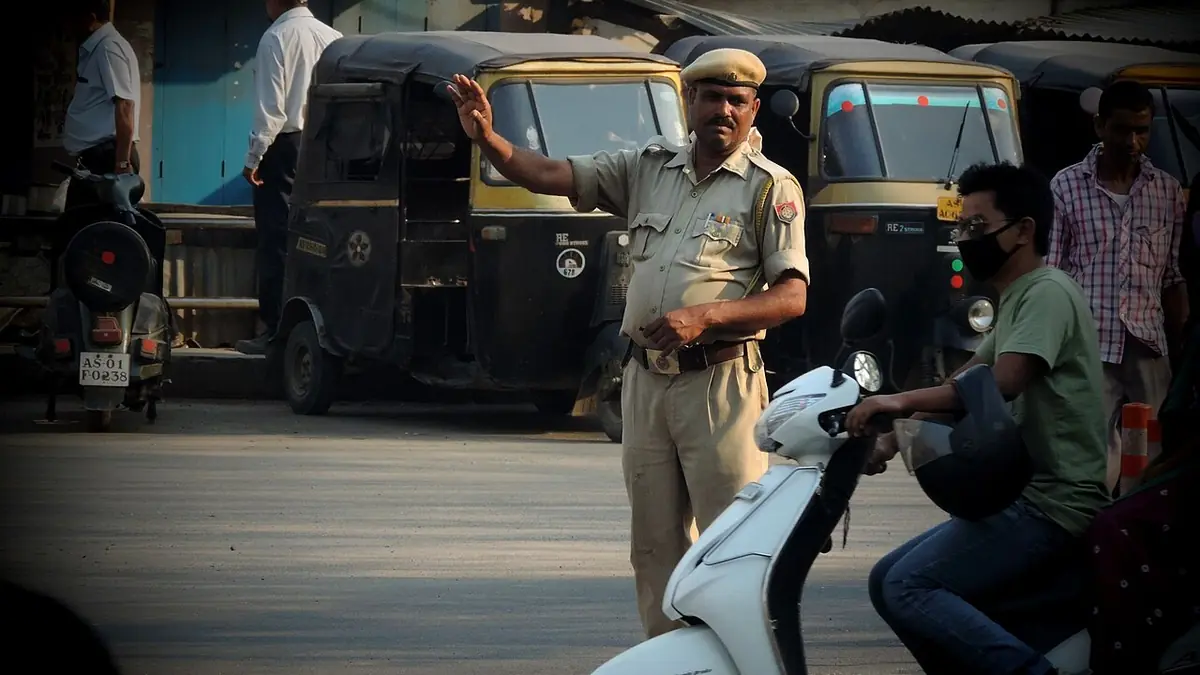
Delhi Traffic Police has initiated proceedings to suspend the licence of a cab owner-driver who accumulated 208 traffic violations in under 15 months. Most of the challans were for overspeeding.
What police found
Delhi Police identified a 38-year-old cab owner-driver with 208 traffic violation tickets over less than 15 months. Of these, 206 were for overspeeding. The fines totalled more than ₹4.125 lakh.
Police initiated proceedings to suspend his licence. Reporting said the driver could face a suspension of three to six months. Police traced him to Greater Noida.
What it means for drivers
Vehicle owners in Delhi who accumulate repeated traffic violations can face licence-suspension proceedings. Drivers should check and resolve pending e-challans through official transport and traffic-police channels to avoid further enforcement action.
What happens to unpaid challans?
*What happens if you do not pay traffic challans in Delhi?* Unpaid challans can move through the traffic enforcement and judicial process. If they remain unresolved, further action can follow, including court proceedings and enforcement measures. Drivers should check official Delhi Traffic Police and Parivahan channels for the current status of any challan.
Delhi Police said the driver’s case involved repeated automated speeding violations recorded over 15 months.
Check back for updates on enforcement action.
(function () {
var btn = document.getElementById('karmactivePushBtn');
var status = document.getElementById('karmactivePushStatus');
if (!btn) return;
function setStatus(msg) {
if (status) status.textContent = msg;
}
function fallback() {
setStatus('Push notifications are not supported in this browser. Try the email option above.');
}
btn.addEventListener('click', function () {
try {
/* OneSignal v16+ deferred SDK */
if (window.OneSignalDeferred && Array.isArray(window.OneSignalDeferred)) {
setStatus('Opening notification prompt...');
window.OneSignalDeferred.push(function (OneSignal) {
if (OneSignal && OneSignal.Notifications && typeof OneSignal.Notifications.requestPermission === 'function') {
OneSignal.Notifications.requestPermission()
.then(function () {
setStatus('You will receive push notifications when new articles are published.');
})
.catch(fallback);
} else {
fallback();
}
});
return;
}
/* OneSignal direct object */
if (window.OneSignal && OneSignal.Notifications && typeof OneSignal.Notifications.requestPermission === 'function') {
OneSignal.Notifications.requestPermission()
.then(function () {
setStatus('You will receive push notifications when new articles are published.');
})
.catch(fallback);
return;
}
/* Older OneSignal SDK */
if (window.OneSignal && typeof OneSignal.push === 'function') {
setStatus('Opening notification prompt...');
OneSignal.push(function () {
if (typeof OneSignal.showSlidedownPrompt === 'function') {
OneSignal.showSlidedownPrompt();
} else {
fallback();
}
});
return;
}
fallback();
} catch (e) {
fallback();
}
});
})();