 Sonali Tiwary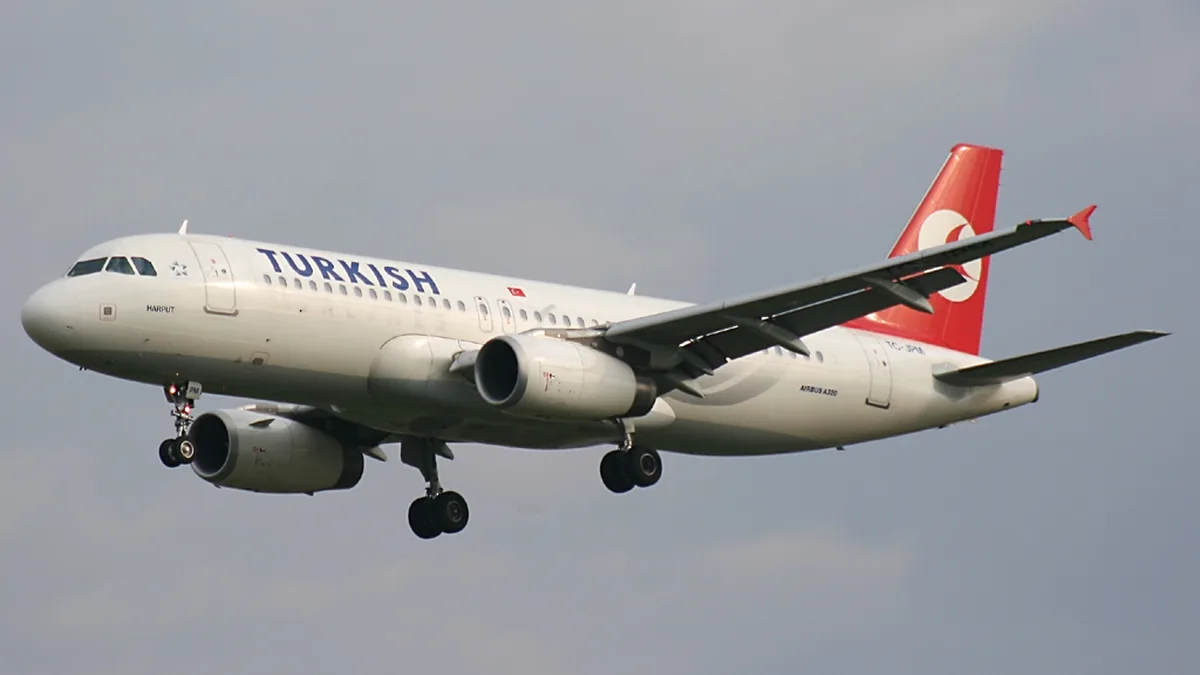
If you fly for work or for travel, one industry warning from Istanbul is worth knowing. The safety chief of IATA, the global airline trade body, has said fake GPS signals are rising sharply. Aviation leaders gathered at the IATA World Safety and Operations Conference to discuss the threat. Here is what was said and what it means for flights.
The IATA World Safety and Operations Conference (WSOC) 2026 took place in Istanbul, hosted by Turkish Airlines. Mark Searle, IATA’s Director of Safety, delivered the speech on 6 October. Searle said reported GPS spoofing incidents rose 193% and reported jamming events rose 67% in 2025, compared with 2023. Jamming blocks GPS signals. Spoofing sends false position signals.
The published speech sets out questions for judging new technology. It does not describe changes for passengers. Inference: the questions are aimed at airlines and technology decisions, not at travellers.
Why Spoofing Is Harder to Spot
Jamming is like someone shouting over a phone call. The call goes silent, and everyone knows something is wrong. Spoofing is like someone feeding the caller a fake address. The call sounds normal, so the caller may not notice.
Searle set out three questions for judging new technology. "Does it help people understand what is happening around them?" "Does it support better decision-making?" And "can the operation remain safe if the technology is unavailable or compromised?" For background on navigation systems, see Karmactive’s airline-operations coverage.
Can GPS spoofing cause a commercial airliner to crash? Airliners use several independent navigation sources, including inertial reference units and ground-based radio aids. Pilots are trained to cross-check GPS against those instruments. Spoofing is a safety concern because it can mislead navigation systems, so crews must check positions against other sources. For more on how airlines respond, see Karmactive’s flight-disruption coverage.
IATA's safety chief says reported GPS spoofing rose 193% and jamming rose 67% in 2025, compared with 2023, according to his speech at the Istanbul conference. Jamming blocks signals, and spoofing sends false ones. Check back for updates.