 Govind Tekale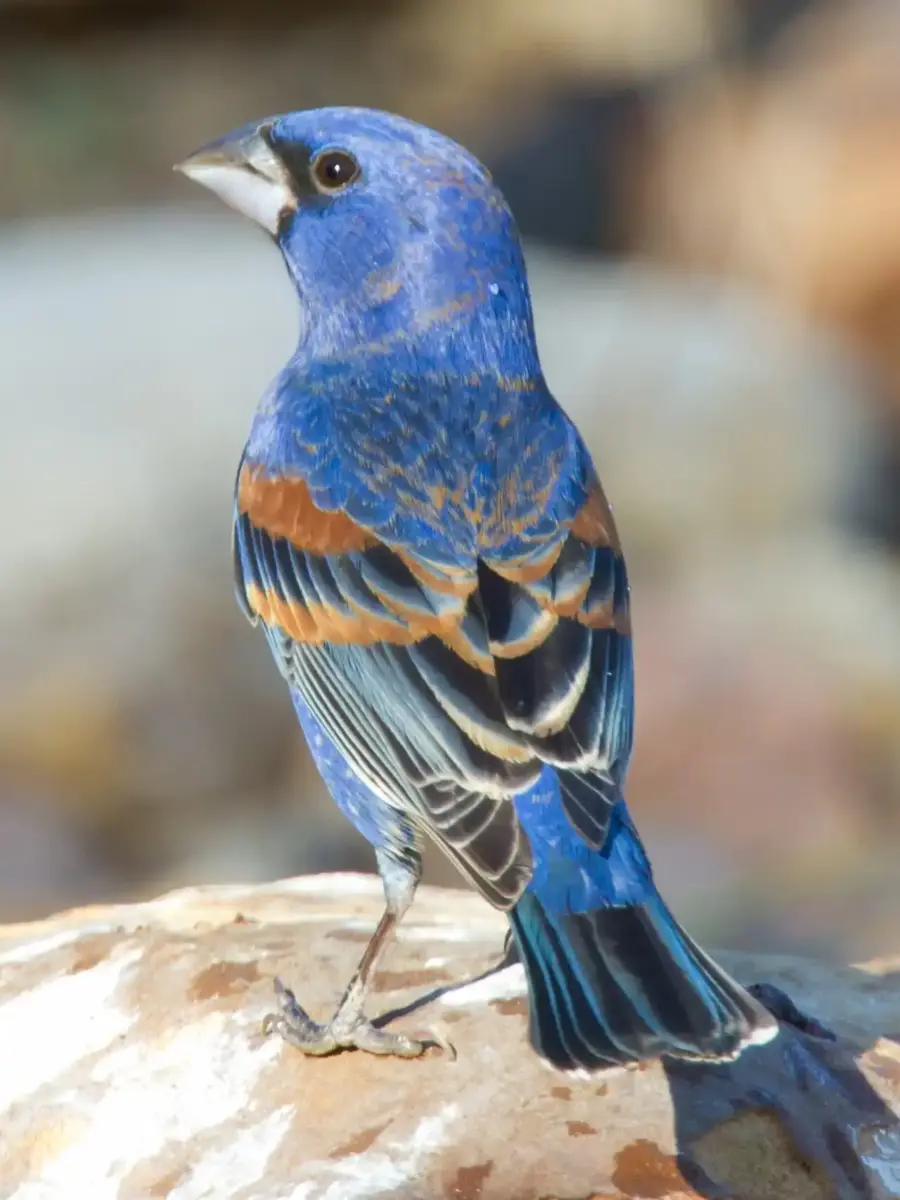
A traveler arriving at Miami International Airport from Havana was arrested after U.S. federal agents discovered 10 live birds concealed in plastic containers sewn into his underwear. The arrest triggered federal charges and points to biosecurity concerns around undeclared live wildlife entering the United States.
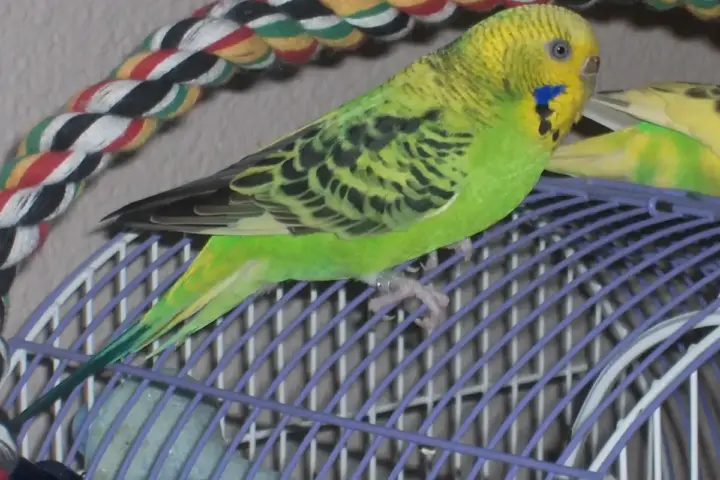
Alberto Hernandez Castillo, a 40-year-old Cuban national and legal permanent U.S. resident, was sent for secondary inspection at MIA after CBP officers noticed an unexplained bulge near his waist. A pat-down revealed six clear plastic cylindrical containers, wrapped in tape with black mesh near the openings, tucked into pockets sewn inside his underwear, containing eight yellow-faced grassquits and two blue grosbeaks. Both species are protected under the Migratory Bird Treaty Act of 1918. Castillo was charged with smuggling goods into the United States under 18 U.S.C. § 545. He was released on a $25,000 bond.
Transporting undeclared live wildlife into the United States is a federal criminal matter, not a customs paperwork issue. Smuggling goods into the United States under 18 U.S.C. § 545 carries a maximum penalty of up to 20 years in federal prison. Beyond criminal liability, birds entering without USDA import clearance can carry dangerous pathogens — smuggled birds can carry avian influenza and Exotic Newcastle Disease, creating risks that extend well beyond the smuggled animals themselves.
How the Concealment Was Engineered
The federal complaint describes six clear plastic cylindrical containers, wrapped in tape with black mesh near the openings, hidden in pockets sewn into the lining of the suspect’s underwear. Castillo had answered “no” to all questions about bringing animals or wildlife into the United States on his Customs Entry Form. He told agents the birds were for personal use.
USDA import requirements for live birds can include permits, veterinary certification, port inspection and quarantine, depending on the species, origin and purpose of import. Yellow-faced grassquits and blue grosbeaks are protected migratory species under the Migratory Bird Treaty Act, which prohibits import without proper federal authorization. Readers who encounter birds of unclear origin offered through informal channels should report suspected trafficking to USFWS law enforcement rather than purchasing.
Is it legal to bring a live bird into the United States?
It depends on the species, country of origin, health certification, and proper declaration to CBP on arrival. Protected species such as yellow-faced grassquits and blue grosbeaks fall under the Migratory Bird Treaty Act, which prohibits import without proper federal authorization. All live animals must be formally declared on the Customs Entry Form. Birds entering without mandatory USDA import clearance are seized regardless of the traveler’s stated purpose. Concealing a bird from inspection is a separate federal charge.
The case is proceeding in the U.S. District Court for the Southern District of Florida. The next court action will depend on the charging process and case outcome. Check back for updates on the Castillo prosecution.