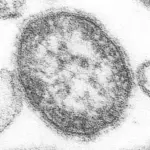
Bangladesh has logged 1,134 measles-related deaths since the outbreak began, comprising 102 laboratory-confirmed measles deaths and 1,032 deaths among suspected cases still pending confirmation. Six new pediatric fatalities were recorded in the most recent reporting period. Understanding what allowed this outbreak to reach this scale matters for anyone tracking global disease risk.
Bangladesh’s Directorate General of Health Services (DGHS) reported the combined toll of 1,134 as of early October 2026. Cases are concentrated heavily in children, with the outbreak disproportionately affecting unvaccinated and underimmunized populations. UNICEF emergency immunization teams are active in affected districts, and WHO’s South-East Asia regional office is tracking the outbreak as a priority public health event. A WHO-coordinated emergency measles-rubella vaccination campaign targeting more than 1.2 million children launched in April 2026 and remains ongoing.
For global health organizations and humanitarian agencies, the death toll demonstrates how vaccination coverage collapse directly dismantles immunization gains. Without emergency mobile vaccination units reaching communities outside routine health registries, preventable childhood infections turn fatal. International aid must focus on Vitamin A supplementation alongside MMR vaccines, as WHO recommends Vitamin A for measles cases in children to reduce severe complications — particularly pneumonia and eye damage in malnourished children.
Why Coverage Collapsed
Bangladesh’s measles-rubella vaccination coverage fell dramatically in the period leading up to this outbreak. A 2023 Coverage Evaluation Survey found valid second-dose coverage (MR2) at approximately 80.7% nationally. By 2025, coverage had fallen to approximately 57%, according to UNICEF, WHO, and Gavi — a collapse attributed to the interim government’s shift to an open tender procurement system, which caused nationwide vaccine shortages, delayed routine immunization, and forced cancellation of scheduled measles campaigns.
Measles requires approximately 95% two-dose coverage to maintain population-level immunity and prevent sustained transmission. Bangladesh’s coverage gap left a large pool of susceptible children, particularly in communities that missed routine vaccination during the procurement disruption.
Why Measles Kills When Coverage Falls
Two doses of the MMR vaccine are roughly 97% effective at preventing measles infection. The vaccine’s failure here is not efficacy — it is access. When children without adequate vaccination and with poor nutritional status contract measles, the complication rate rises sharply. Pneumonia and encephalitis are the primary causes of death in severe measles, particularly in malnourished children. WHO recommends immediate Vitamin A supplementation for all children with measles in affected settings to reduce complication severity. Delayed hospital access and health system strain in affected areas mean many cases do not receive timely treatment.
The outbreak also reflects a broader post-pandemic immunization gap documented across lower-income countries, where routine vaccination programs were disrupted during 2020–2022 and catch-up efforts have not fully closed coverage deficits. Bangladesh’s situation intersects with climate displacement patterns in South Asian river delta regions that affect healthcare infrastructure access for some communities.
The DGHS emergency response and ongoing WHO-UNICEF vaccination campaign will be the primary determinants of whether the outbreak is contained before transmission extends through the dry season.
\
\ .karmactive-push-footer { max-width: 720px; margin: 32px auto 0; padding: 22px 24px; border-radius: 14px; background: \#f0f4f8; border: 1px solid \#d8e4ea; text-align: center; font-family: \-apple-system, BlinkMacSystemFont, “Segoe UI”, Roboto, sans-serif; } .karmactive-push-footer h4 { margin: 0 0 6px; font-size: 1.15rem; color: \#102a43; } .karmactive-push-footer p { margin: 0 0 16px; font-size: 0.92rem; color: \#4a5568; line-height: 1.5; } .karmactive-push-actions { display: flex; gap: 10px; justify-content: center; flex-wrap: wrap; } .karmactive-push-btn { display: inline-flex; align-items: center; gap: 6px; min-height: 44px; padding: 10px 20px; border: 0; border-radius: 999px; font-size: 0.92rem; font-weight: 700; cursor: pointer; text-decoration: none; transition: transform 0.15s ease, box-shadow 0.15s ease; } .karmactive-push-btn:hover { transform: translateY(-2px); } .karmactive-push-btn:active { transform: translateY(0); } .karmactive-push-btn.primary { background: \#63b89c; color: \#082032; box-shadow: 0 6px 16px rgba(99, 184, 156, 0.35); } .karmactive-push-btn.secondary { background: \#fff; color: \#102a43; border: 1.5px solid \#d8e4ea; } .karmactive-push-status { margin-top: 12px; font-size: 0.84rem; color: \#5a6e7e; min-height: 1.2em; } @media (max-width: 600px) { .karmactive-push-footer { margin-left: 0; margin-right: 0; border-radius: 10px; padding: 18px 16px; } .karmactive-push-actions { flex-direction: column; } .karmactive-push-btn { width: 100%; justify-content: center; } } \
\
\
\
\
🔔 Enable push notifications
\
Subscribe by email
\
\
\
\
\
(function () {
var btn \= document.getElementById(‘karmactivePushBtn’);
var status \= document.getElementById(‘karmactivePushStatus’);
if (\!btn) return;
function setStatus(msg) {
if (status) status.textContent \= msg;
}
function fallback() {
setStatus(‘Push notifications are not supported in this browser. Try the email option above.’);
}
btn.addEventListener(‘click’, function () {
try {
/\* OneSignal v16+ deferred SDK \*/
if (window.OneSignalDeferred && Array.isArray(window.OneSignalDeferred)) {
setStatus(‘Opening notification prompt…’);
window.OneSignalDeferred.push(function (OneSignal) {
if (OneSignal && OneSignal.Notifications && typeof OneSignal.Notifications.requestPermission \=== ‘function’) {
OneSignal.Notifications.requestPermission()
.then(function () {
setStatus(‘You will receive push notifications when new articles are published.’);
})
.catch(fallback);
} else {
fallback();
}
});
return;
}
/\* OneSignal direct object \*/
if (window.OneSignal && OneSignal.Notifications && typeof OneSignal.Notifications.requestPermission \=== ‘function’) {
OneSignal.Notifications.requestPermission()
.then(function () {
setStatus(‘You will receive push notifications when new articles are published.’);
})
.catch(fallback);
return;
}
/\* Older OneSignal SDK \*/
if (window.OneSignal && typeof OneSignal.push \=== ‘function’) {
setStatus(‘Opening notification prompt…’);
OneSignal.push(function () {
if (typeof OneSignal.showSlidedownPrompt \=== ‘function’) {
OneSignal.showSlidedownPrompt();
} else {
fallback();
}
});
return;
}
fallback();
} catch (e) {
fallback();
}
});
})();
\



Latest from Health
Pennsylvania Measles Outbreak: What Families Should Do

Niamh O’Brien’s death at 52 raises questions about lung-transplant waiting lists and warning signs

Resistance training after 40: how regular workouts help preserve muscle strength

Seven-day water fast study: major protein changes became evident after day three

COVID cases rise in the UK as XFG spreads: who faces higher risk and when to seek help

NHS mental health wards use AI sensors overnight: what Oxevision records and what patients can ask

Early-onset cancer rose 79% since 1990—what younger adults should know
Broward dengue case: what Florida residents should know about local mosquito transmission

2026 Nobel Prize Honors Optogenetics: How Light Can Control Brain Cells
Russian Plague Lab Death Remains Unconfirmed as U.S. Says It Is Willing to Help

Four Daily Habits Slow Muscle Loss as You Age; Progressive Resistance is Key

Healthy Festival Foods: Avoid Deep-Fried Durga Ashtami Offerings

Nathan Charles, Rugby’s Only Known Elite Player With Cystic Fibrosis, Diagnosed With MND at 37

Sustainable Rangoli: Natural Colors for Dussehra Celebrations