 Govind Tekale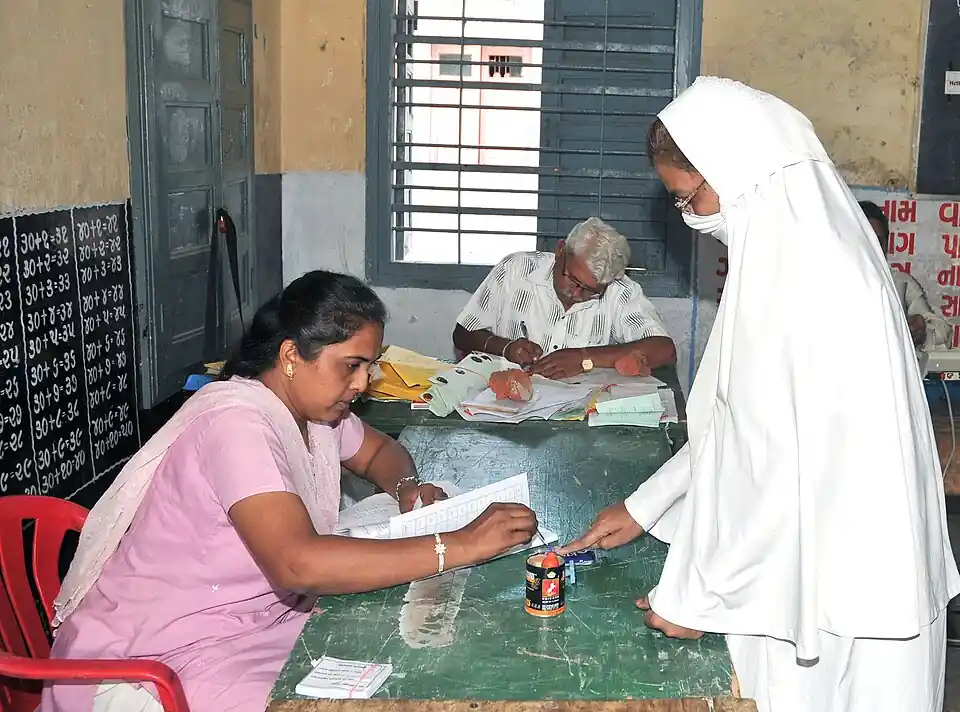
Rajasthan’s panchayati raj elections are confirmed for four phases starting October 23, covering an extensive village-level governance exercise across the state. The Model Code of Conduct took effect immediately on announcement, suspending new government schemes and development sanctions across all poll-bound areas.
The Rajasthan State Election Commission has formally notified elections for 41 Zila Parishads, 457 Panchayat Samitis, and 14,403 Gram Panchayats across the state. Total registered electors number 4,03,07,308 — more than 40.3 million voters, comprising 2,08,87,351 male voters, 1,94,19,789 female voters, and 168 voters registered as third gender. The phase schedule runs as follows: Zila Parishad and Panchayat Samiti voting on October 23, 29, November 4, and November 14; Panch and Sarpanch elections on October 25, 31, November 6, and November 16; Zila Pramukh and Up-Zila Pramukh elections on November 25 and 26; Pradhan and Up-Pradhan elections on November 27 and 28. Counting takes place after the final phase. The commission has activated 45,384 polling stations.
Rural citizens across Rajasthan must prepare for immediate administrative changes following the enforcement of the Model Code of Conduct. New government tenders, village sanction letters, and local development announcements are suspended until polls conclude. Local ward candidates who focus on tangible issues — employment, water supply, road connectivity — are likely to have more traction than those relying on traditional party-level patronage.
This cycle marks a significant expansion in the state’s panchayat structure. The reorganisation increased the number of Zila Parishads from 33 to 41 and Panchayat Samitis from 352 to 457, which means a greater number of elected positions and broader local representation across newly mapped administrative units.
How the Election Scale Has Changed and What the Code Restricts
Under the Model Code of Conduct, state and local authorities cannot sanction new development works, issue financial grants, or inaugurate public schemes in poll-bound panchayats. Ongoing central schemes such as PM Awas Yojana may continue depending on applicable election-code guidance for each scheme. The transfer of local administrative officials — patwaris, block development officers, and executive engineers — is restricted without prior Election Commission clearance.
Nomination filing dates are being released by district collectors on a rolling basis. The commission’s phase-specific nomination deadlines, with the election schedule running through November 28, are the next milestones to watch.
—
Delhi election protests and voter-roll dispute · State Election Commission Rajasthan